Oman to Implement New EV Infrastructure Policies in 2024






Key Highlights
-
Oman's plan to eliminate gasoline vehicles by 2050, with a focus on transitioning to renewable energy and reducing carbon emissions.
-
Oman's Investment Authority's partnership with U.S.-based electric vehicle battery start-up Our Next Energy (ONE) to boost the country's EV infrastructure.
-
Electric vehicle numbers in Oman rose from 550 in 2023 to 1,500 in 2024, with a goal of surpassing 350 charging points by 2027.
-
Introduction of green hydrogen-powered vehicles for commercial transport and food delivery, supporting sustainable logistics.
-
Oman's goal to manufacture 1 million tons of green hydrogen annually by 2030, expanding to 8 million tons by 2050.
As global electric mobility gains momentum, many countries have introduced frameworks to guide EV adoption. Oman aims to phase out gasoline vehicles by 2050, outlined in a strategy focused on transitioning to renewable energy.
Stakeholders Involved
This strategy, developed collaboratively by the Ministry of Energy & Minerals alongside public and private stakeholders, is rooted in Oman Vision 2040's economic diversification goals. Oman aims to achieve carbon neutrality by mid-century.
Pillars Of The Strategy

The strategy includes key pillars such as energy efficiency, renewable energy, hydrogen economy, and storage, with transportation identified as a crucial focus area. It envisions a gradual transformation to significantly cut carbon emissions while adopting modern, eco-friendly practices to protect the environment.
The government remains committed to investing in sustainable transportation, fostering new economic opportunities for citizens and advancing the nation’s development.
Role Of Our Next Energy (ONE)
To accelerate its transition to widespread electric mobility, Oman Investment Authority has backed the US-based EV battery startup Our Next Energy (ONE) through strategic investment. This partnership likely provided valuable insights into advancing EV adoption and infrastructure in Oman. Key areas for collaboration include energy and battery storage within the country.
Existing Infrastructure

Excitement for electric vehicles is growing rapidly in Oman, with EV numbers rising from 550 in 2023 to 1,500 in 2024. The addition of over 120 charging stations last year boosted policy support and public confidence in making the switch to EVs. With ongoing efforts to expand the charging network, the Ministry anticipates over 200 stations by the end of 2024 and more than 350 by 2027.
The Green Corridors Project
To promote sustainable logistics, the government has introduced the Green Corridors project for light and heavy commercial vehicles powered by green hydrogen. Additionally, with the growing demand for food delivery, an experimental initiative featuring electric bicycles has been launched, aiming to revolutionize eco-friendly delivery methods.
Green Hydrogen Production
Oman's Ministry of Energy and Minerals has established guidelines to scale green hydrogen production to 1 million tons annually by 2030, rising to 3.5 million tons by 2040 and 8 million tons by 2050. Additionally, Oman is positioning itself as a global hub for exporting green hydrogen, aiming to conserve finite resources and promote the use of sustainable, eco-friendly alternatives.

Oman’s commitment to sustainability, the rise of new energy vehicles, and its push for hydrogen use have led the International Energy Agency to forecast the country will become the sixth-largest global hydrogen exporter and the largest in the Middle East by 2030.
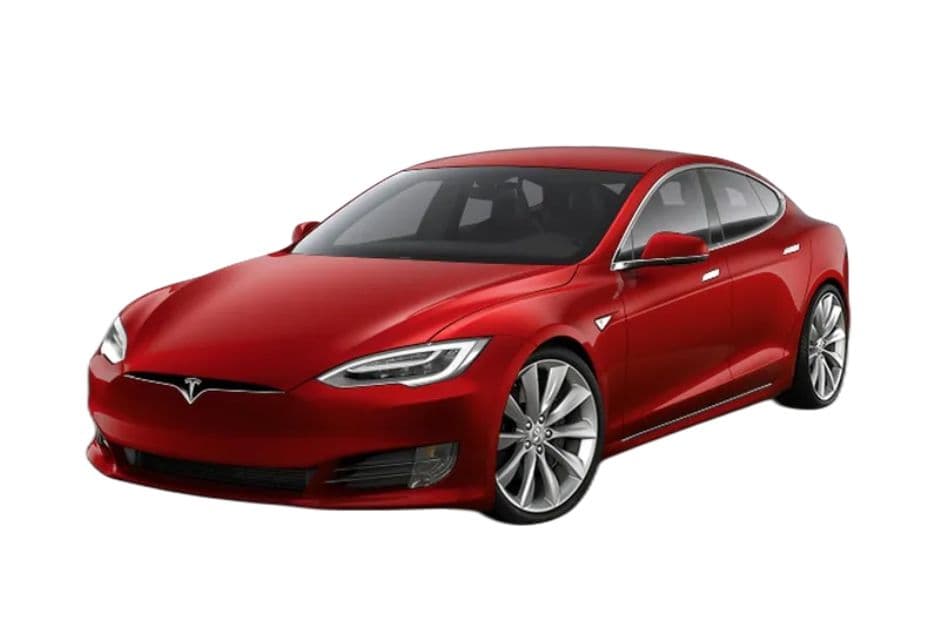
Recently, several Middle Eastern nations have seen an influx of electric vehicle manufacturers like Tesla, ZEEKR, BYD, NIO, and Polestar. Established automakers are also introducing electric models to stay competitive. Oman’s investments in electric mobility and related sectors underscore its vision for a carbon-zero transportation future, and with the right government policies, the transition will be smoother and more eco-friendly.
Verdict
Oman’s commitment to embracing sustainable and eco-friendly transportation through electric vehicles and green hydrogen initiatives marks a significant step towards a carbon-zero future. With ambitious targets for electric mobility and hydrogen production, coupled with strategic investments and government policies, the country is positioning itself as a leader in clean energy and green logistics.
As the infrastructure for electric vehicles expands and green technologies gain traction, Oman is on track to become a global hub for sustainable energy, making the transition to a greener, more efficient transportation system not only feasible but also impactful for the environment.
Also Read:
More News

Carlex G-Stallion: One-Off AED 13 Million Mercedes-AMG G 63
Carlex Design has unveiled its spectacular one-off G-Stallion in Abu Dhabi, based on the Mercedes-AMG G 63 and priced at AED 13 million. With a diamond-dust finish, handcrafted aluminum roof and bespoke detailing, it is designed as a true collector’s piece.
01-Sep-2026 05:40 AM
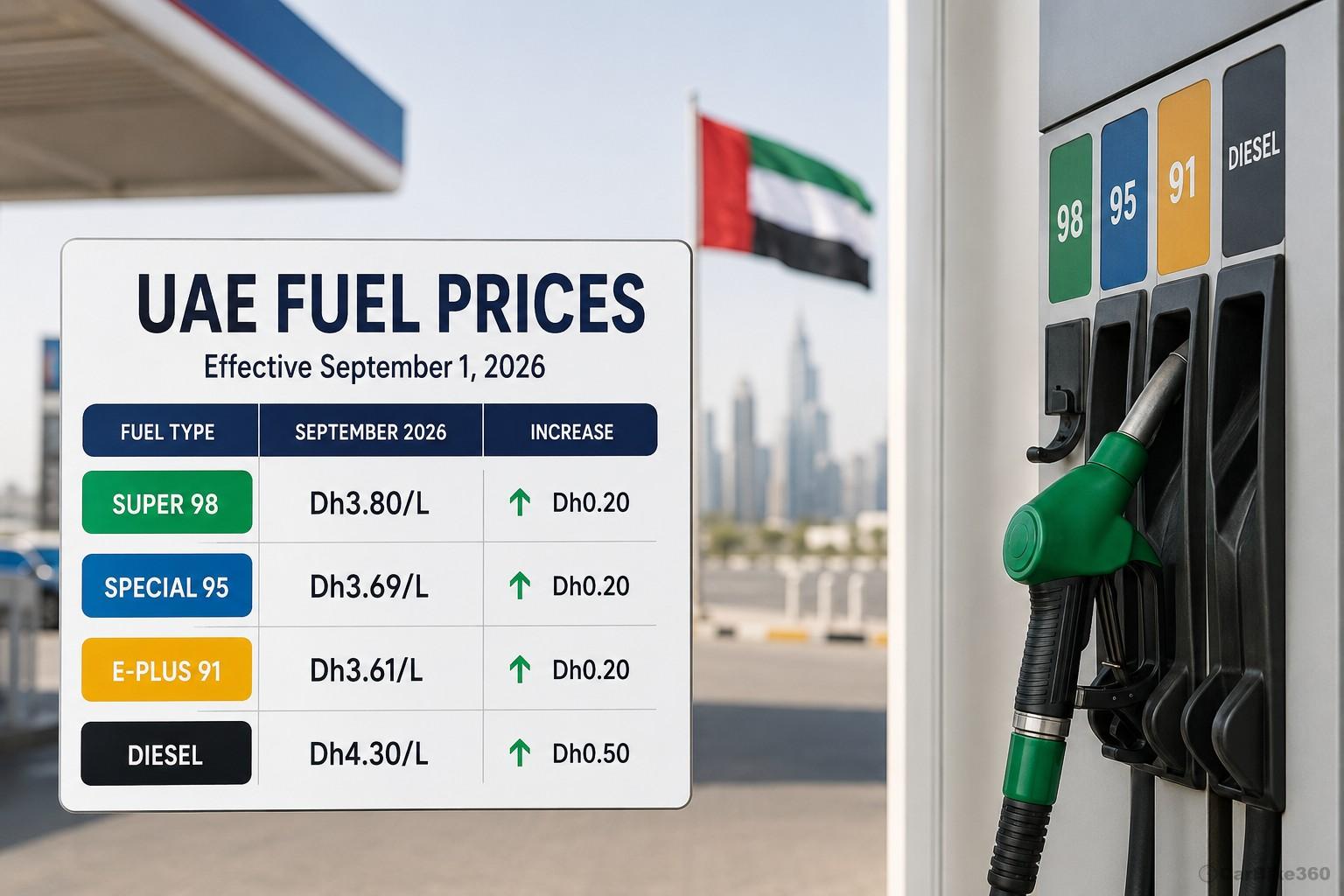
UAE Announces Fuel Price Increase for September 2026
The UAE has announced a fuel price increase for September 2026, effective from September 1. The rise follows previous monthly increases and is driven by global oil market trends. Residents are advised to monitor official updates.
31-Aug-2026 09:00 AM
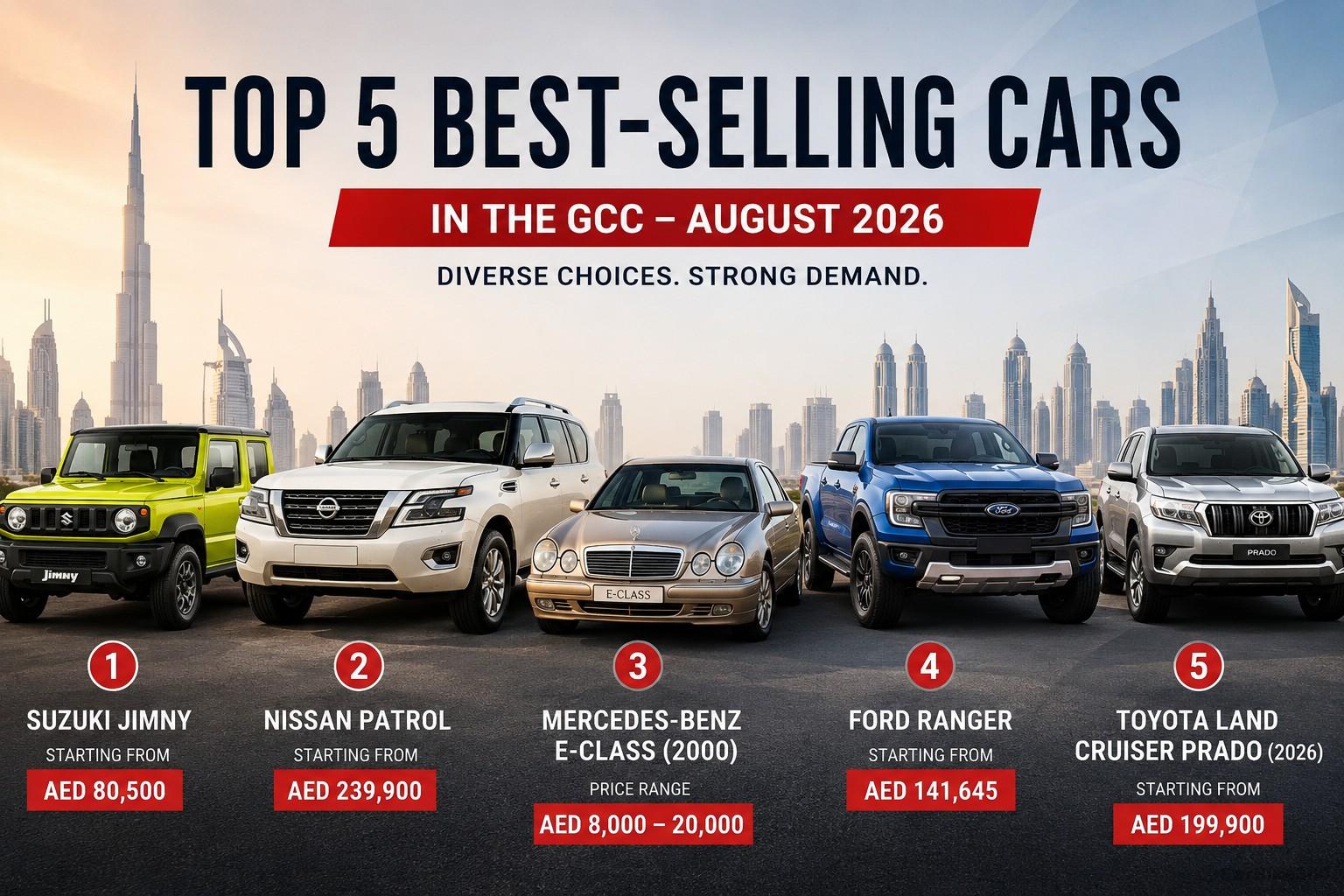
Top 5 Best-Selling Cars in the GCC August 2026: Jimny Leads the Pack
August’s GCC car sales ranking highlights diverse buyer preferences, with the Suzuki Jimny, Nissan Patrol, Mercedes-Benz E-Class, Ford Ranger, and Toyota Prado leading the list. The ranking shows strong demand for affordability, off-road capability, luxury, utility, and resale value.
31-Aug-2026 06:50 AM
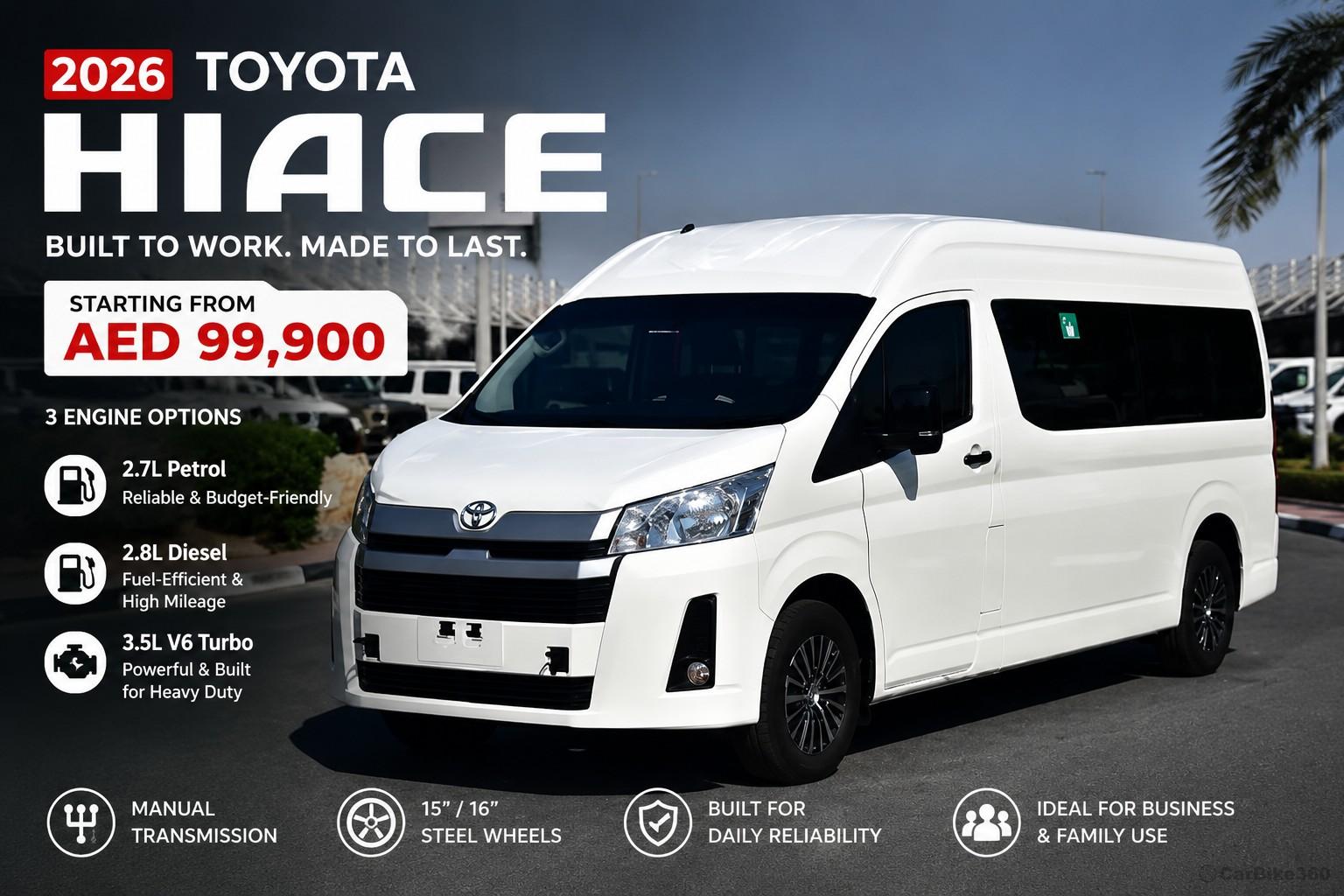
2026 Toyota HiAce Is Here in UAE — Price, Engines & Specs Revealed
The 2026 Toyota HiAce starts at AED 99,900 in the UAE, offering 2.7L petrol, 2.8L diesel and 3.5L V6 turbo engine options with manual transmissions.
31-Aug-2026 05:50 AM

10 Car Technologies UAE Buyers Should Understand Before Paying Extra
UAE car buyers must evaluate new technologies like AEB, adaptive cruise control, and EV charging features. Not all advanced systems are standard, and equipment varies by model and trim. Confirm feature availability before purchase.
27-Aug-2026 10:00 AM
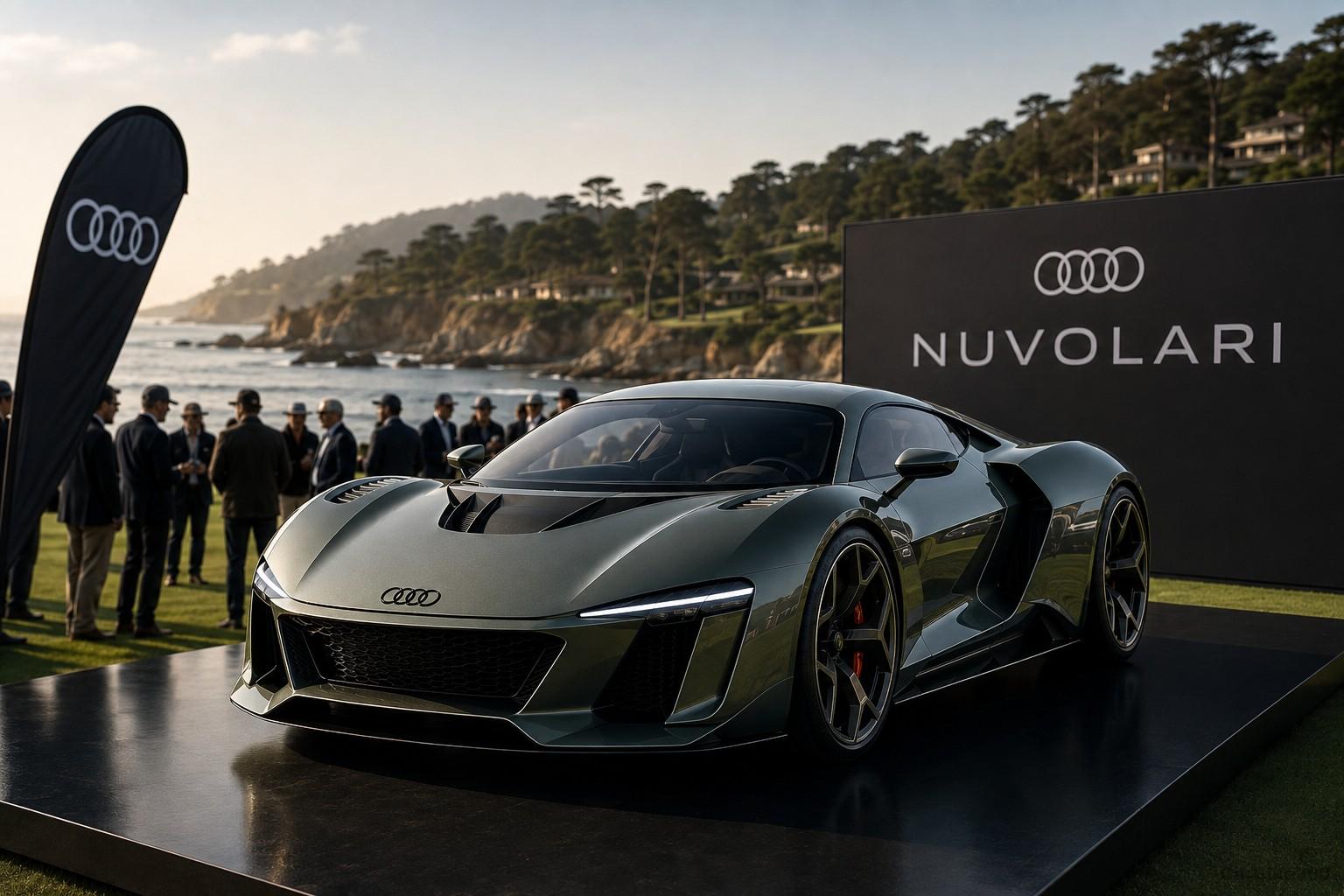
Audi Breaks Cover in America: The 987-HP Nuvolari Redefines the Brand
Audi has unveiled the Nuvolari hybrid supercar in North America at Monterey Car Week, showcasing 987 hp, a 350 km/h-plus top speed and limited production of just 499 units.
27-Aug-2026 05:36 AM









Join Carbike360
Get Trending Updates


UAE’s Fastest Growing Vehicle Marketplace