Tesla Cybercab: A Fully Autonomous Robotaxi Designed for the Future






**Key Highlights **
-
Elon Musk unveiled the Cybercab at the “We. Robot.” event in Los Angeles, showcasing its futuristic design inspired by the Cybertruck.
-
The Cybercab is designed to be fully autonomous, allowing owners to reclaim time spent driving.
-
Musk claims that a cybercab can "see in all directions" and never experience driver fatigue, enhancing safety.
-
Tesla aims for full-scale production by 2026, with an expected starting price of around $30,000.
-
The Cybercab is intended to operate as an independent ride-hailing service, allowing owners to generate income while not using it.
After much anticipation, Elon Musk has unveiled his long-awaited autonomous Robotaxi, dubbed the Cybercab, at the "We. Robot." event in Los Angeles. Inspired by the iconic Cybertruck, the Cybercab features sharp, angular lines and modern touches like full-width light bars, embodying Elon’s vision for the future of transportation.
A Glimpse of Tesla’s Autonomous Dream

Elon Musk highlighted that the Tesla Cybercab isn't just about comfort—it's a significant move toward his vision of a world where people can regain time lost to driving.
Musk noted that the average person spends about 12 days a year driving, and the Cybercab could give that time back for other activities. Additionally, the Cybercab promises improved safety, as it can "see in all directions" and never experiences fatigue like human drivers.
Tesla plans to begin full-scale production of the Cybercab by 2026, with prices starting at around $30,000. However, Musk emphasized that private ownership may not be the best option. Instead, the Cybercab is built to operate autonomously, earning income when not in use—similar to a self-driving ride-hailing service. This concept opens up possibilities for fleet ownership, where individuals could manage a "flock" of Cybercabs for business purposes.
Stripped-Down but High-Tech Interior

The Cybercab's interior is notably minimalistic, featuring butterfly doors and just two seats. The standout feature is a 21-inch central screen, which replaces traditional driving controls. Passengers simply input their destination on the screen and sit back. Cupholders add convenience, while Musk envisions passengers using the extra time for entertainment or work.
Performance and Range Uncertainty

As with many Tesla unveilings, detailed performance specs for the Cybercab remain undisclosed. No battery or range figures were provided, but it's expected to deliver around 5.5 miles per kWh and a range nearing 200 miles. With prototype testing already in progress, the Cybercab seems well into development, though it’s uncertain if Tesla will meet its planned production schedule.
Prototype Experience: A Taste of What’s to Come

To demonstrate the Cybercab's capabilities, 20 prototype units were tested around Warner Bros. Studio in LA. These prototypes easily navigated challenges like parked cars, intoxicated pedestrians, and tight corners without any issues.
The Robovan: Tesla’s Future for Mass Transport
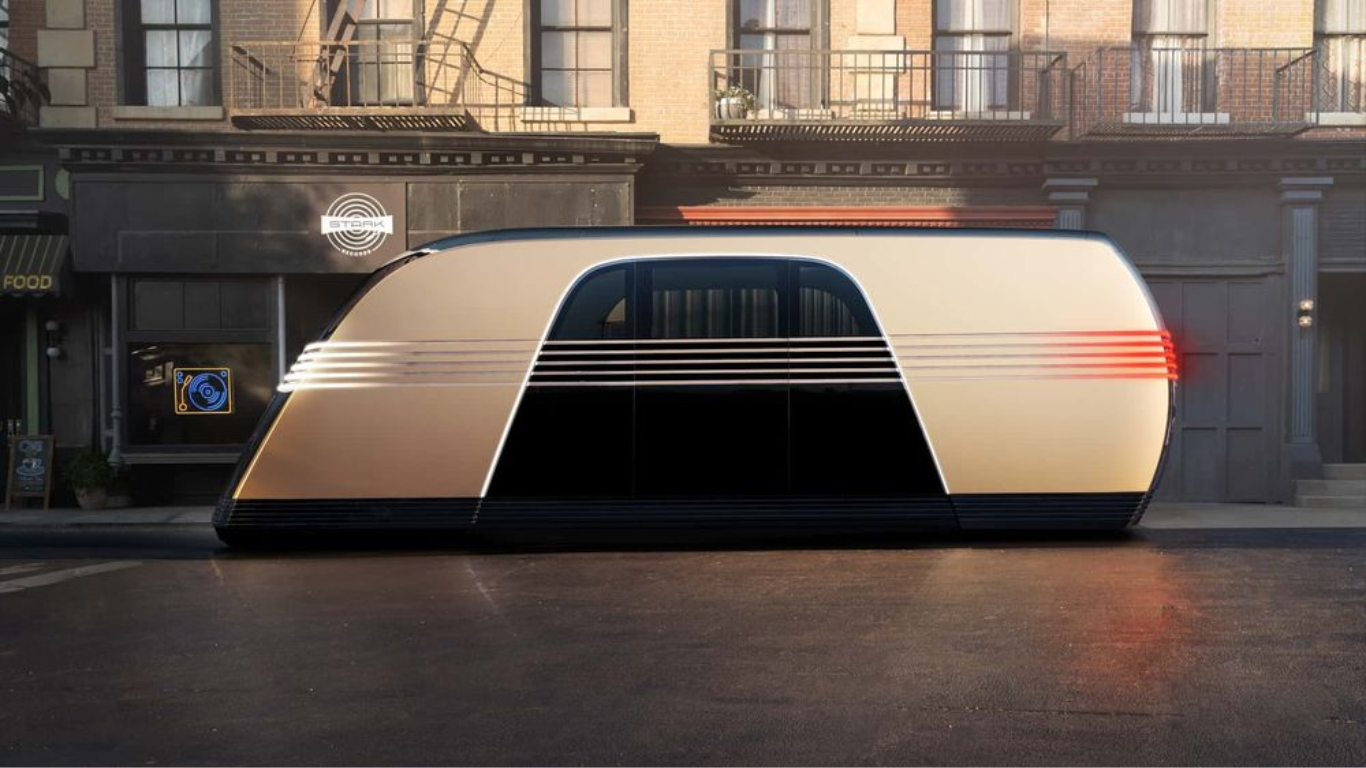
Musk hinted at another upcoming product—the Robovan, an electric vehicle designed for autonomous transportation of large groups. While specific details were not given, the Robovan is said to carry over 10 passengers, potentially expanding Tesla's autonomous technology into public transport and logistics, transforming urban mobility.
Before we forget, another highlight of the event, though not car-related, was the return of Tesla’s humanoid robot, Optimus. Yes, Elon is back with his robotics vision—the robots were showcased performing various tasks, from walking in unison like an army to even serving beer like bartenders.
Verdict
The unveiling of the Tesla Cybercab marks a significant advancement in autonomous vehicle technology, embodying Elon Musk's vision for the future of transportation. With its futuristic design, safety innovations, and the potential for generating income through autonomous operation, the Cybercab represents a bold step toward reshaping urban mobility. Set to enter production by 2026, this innovative Robotaxi aims to enhance convenience for passengers while minimizing the time spent driving.
Alongside the potential introduction of the Robovan and the return of Tesla's humanoid robot, Optimus, this event underscores Tesla's commitment to pushing the boundaries of technology and redefining how people move in urban environments.
More News

Carlex G-Stallion: One-Off AED 13 Million Mercedes-AMG G 63
Carlex Design has unveiled its spectacular one-off G-Stallion in Abu Dhabi, based on the Mercedes-AMG G 63 and priced at AED 13 million. With a diamond-dust finish, handcrafted aluminum roof and bespoke detailing, it is designed as a true collector’s piece.
01-Sep-2026 05:40 AM

UAE Announces Fuel Price Increase for September 2026
The UAE has announced a fuel price increase for September 2026, effective from September 1. The rise follows previous monthly increases and is driven by global oil market trends. Residents are advised to monitor official updates.
31-Aug-2026 09:00 AM

Top 5 Best-Selling Cars in the GCC August 2026: Jimny Leads the Pack
August’s GCC car sales ranking highlights diverse buyer preferences, with the Suzuki Jimny, Nissan Patrol, Mercedes-Benz E-Class, Ford Ranger, and Toyota Prado leading the list. The ranking shows strong demand for affordability, off-road capability, luxury, utility, and resale value.
31-Aug-2026 06:50 AM
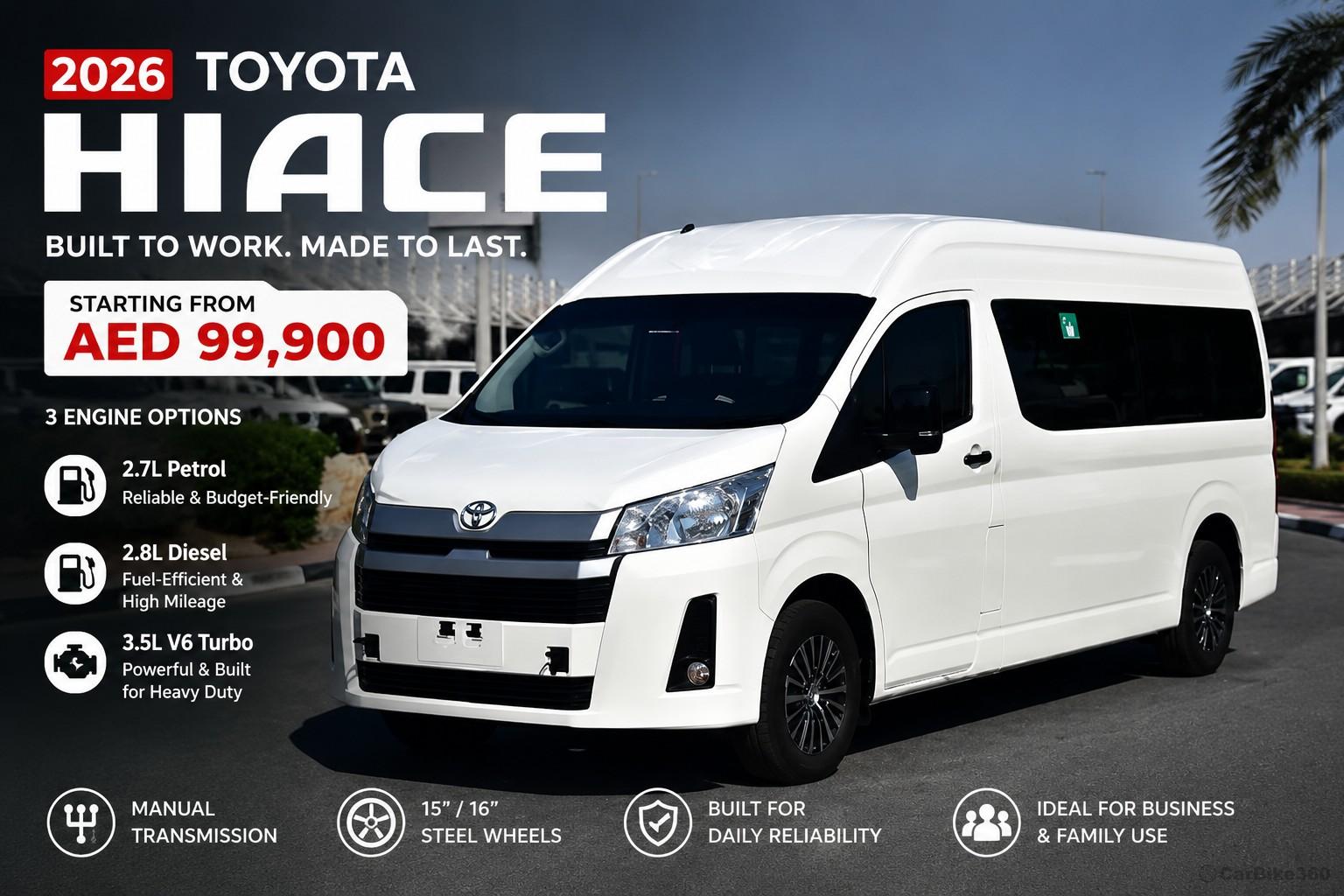
2026 Toyota HiAce Is Here in UAE — Price, Engines & Specs Revealed
The 2026 Toyota HiAce starts at AED 99,900 in the UAE, offering 2.7L petrol, 2.8L diesel and 3.5L V6 turbo engine options with manual transmissions.
31-Aug-2026 05:50 AM
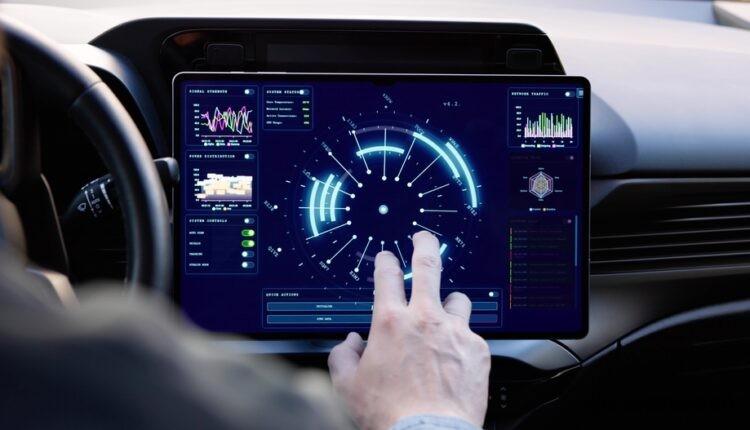
10 Car Technologies UAE Buyers Should Understand Before Paying Extra
UAE car buyers must evaluate new technologies like AEB, adaptive cruise control, and EV charging features. Not all advanced systems are standard, and equipment varies by model and trim. Confirm feature availability before purchase.
27-Aug-2026 10:00 AM
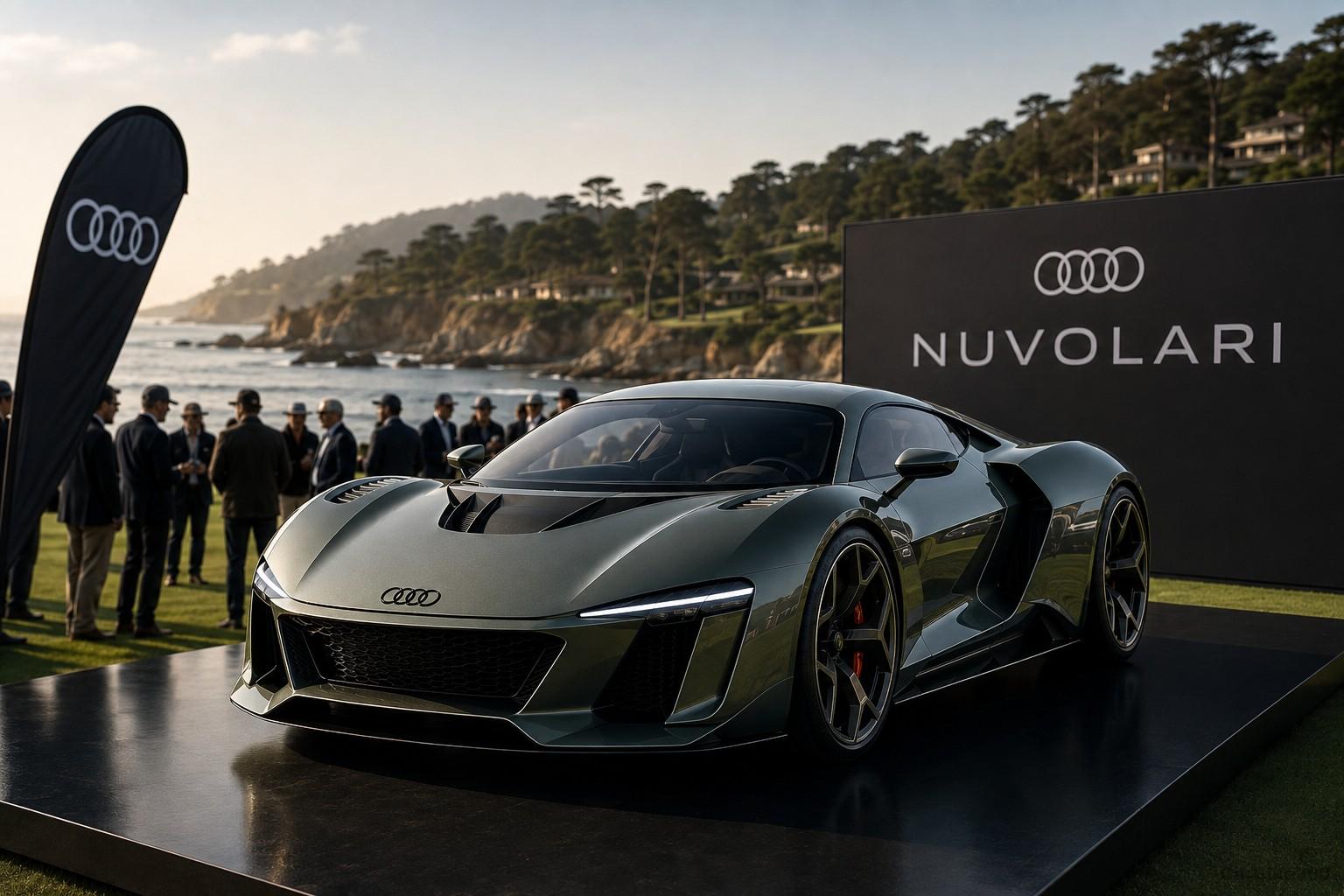
Audi Breaks Cover in America: The 987-HP Nuvolari Redefines the Brand
Audi has unveiled the Nuvolari hybrid supercar in North America at Monterey Car Week, showcasing 987 hp, a 350 km/h-plus top speed and limited production of just 499 units.
27-Aug-2026 05:36 AM








Join Carbike360
Get Trending Updates


UAE’s Fastest Growing Vehicle Marketplace