Maruti Suzuki’s SUV Revolution: Can India’s Auto Giant Win Back a New Generation of Buyers?





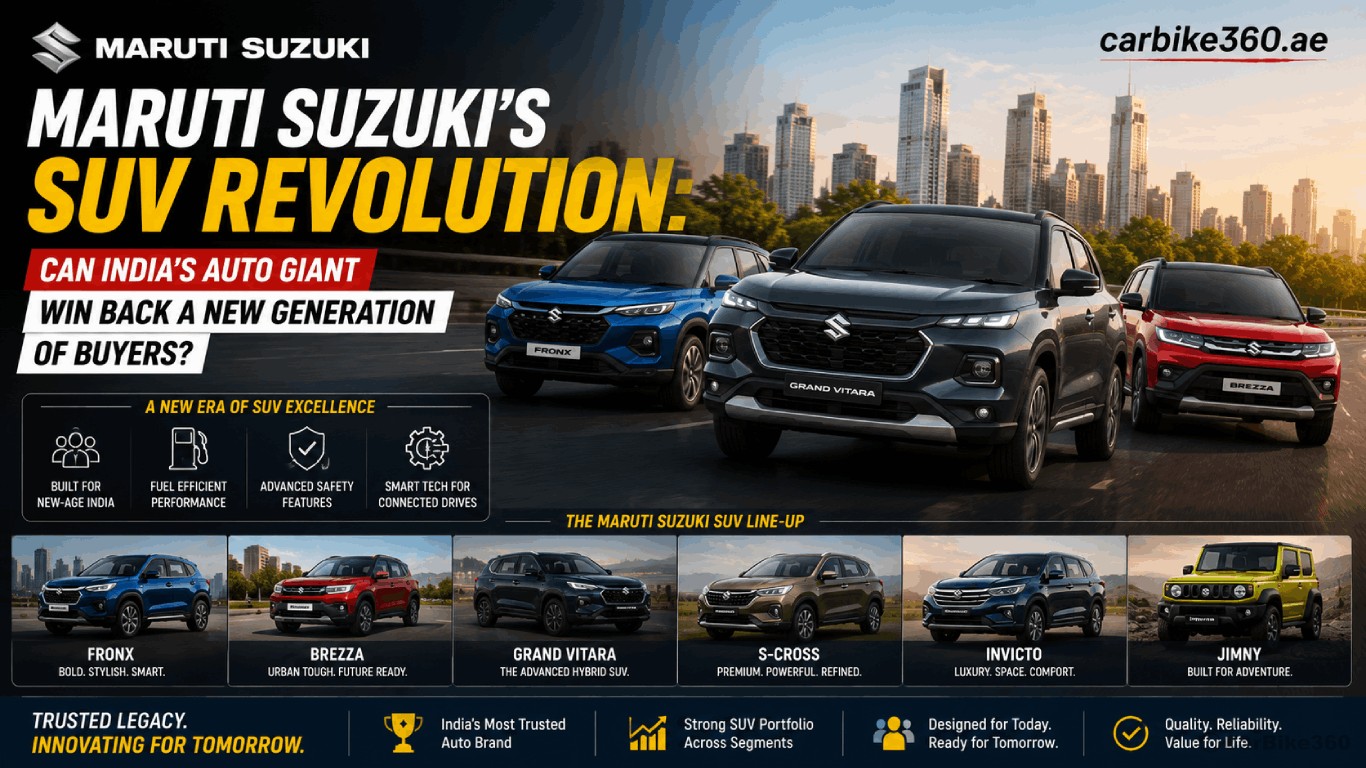
Maruti Suzuki prepares 7 new SUVs, Level 2 ADAS, and faster 36-month R&D cycles to regain its 50% market share in India's changing car market.
Maruti Suzuki’s Wake-Up Call: Why India’s Best-Selling Carmaker Is Racing to Win Back SUV Buyers
Key Highlights
-
Maruti Suzuki’s market share has fallen to around 39%, near a historic low.
-
Indian buyers are increasingly choosing feature-rich SUVs over budget hatchbacks.
-
Delayed adoption of sunroofs, ADAS, and premium tech hurt competitiveness.
-
Maruti plans seven new SUVs by 2030 and faster product development cycles.
-
The company remains India’s largest automaker despite growing competition.
The Brand That Built India Is Facing Its Biggest Challenge Yet
For decades, Maruti Suzuki was synonymous with affordable mobility in India. Models like the iconic Maruti 800, Alto, and WagonR helped millions of families buy their first car, making the company the undisputed leader in the country’s automotive market.
However, India’s car buyers have changed dramatically. As incomes rise and consumer expectations evolve, demand has shifted from basic transportation to stylish SUVs loaded with technology, safety features, and premium comforts.
That shift has put pressure on Maruti Suzuki, whose market share now hovers around 39%, significantly below the dominance it once enjoyed.
Why Buyers Are Moving Away From Traditional Budget Cars
For years, Maruti focused on affordability, fuel efficiency, and low maintenance costs. While that formula delivered massive success, rivals such as Tata Motors and Mahindra capitalized on changing customer preferences.
Features that were once considered luxury items—such as sunroofs, large infotainment screens, connected technology, and advanced driver assistance systems (ADAS)—have become key purchase factors for modern buyers.
Maruti introduced some of these features later than competitors, allowing rivals to attract younger customers looking for a more premium driving experience.
SUVs Have Become the New Status Symbol
The Indian automotive market has witnessed a strong shift toward SUVs, with consumers preferring higher driving positions, bold styling, and additional technology.
Maruti’s slower expansion in the SUV segment created opportunities for competitors. Meanwhile, Tata and Mahindra gained popularity with feature-packed models that offered modern design and advanced safety technologies.
Industry analysts believe many younger buyers now view SUVs as aspirational vehicles, a segment where Maruti is still working to strengthen its position.
Maruti’s Fightback Strategy Is Already Underway
Recognizing the changing market dynamics, Maruti Suzuki is accelerating its transformation strategy.
Key Steps Being Taken
-
Development of seven new SUVs by 2030.
-
Expansion of local research and development teams.
-
Faster product development cycles.
-
Increased focus on advanced safety technologies.
-
Introduction of larger infotainment displays and premium features.
The company is also investing heavily in new testing facilities and manufacturing capabilities to respond more quickly to customer demands.
Can Maruti Regain Its Dominance?
Despite the challenges, Maruti Suzuki remains India’s largest automaker and one of its most profitable automotive companies. Revenue has more than doubled over the past five years, proving the brand still enjoys enormous customer trust.
The real challenge now is balancing its traditional strengths of affordability and reliability with the premium features modern buyers increasingly expect.
If Maruti successfully expands its SUV lineup and embraces the technology-driven future of mobility, it could once again strengthen its grip on one of the world’s fastest-growing automotive markets.
For now, India’s automotive giant is entering a new era—one where winning customers requires much more than simply building the most affordable car.
Conclusion
Maruti Suzuki’s story reflects the evolution of India’s car market itself. The company that once revolutionized affordable transportation is now adapting to an SUV-driven future shaped by technology, safety, and lifestyle-focused buyers. The next few years will determine whether the brand can transform quickly enough to reclaim its long-held dominance.
More News
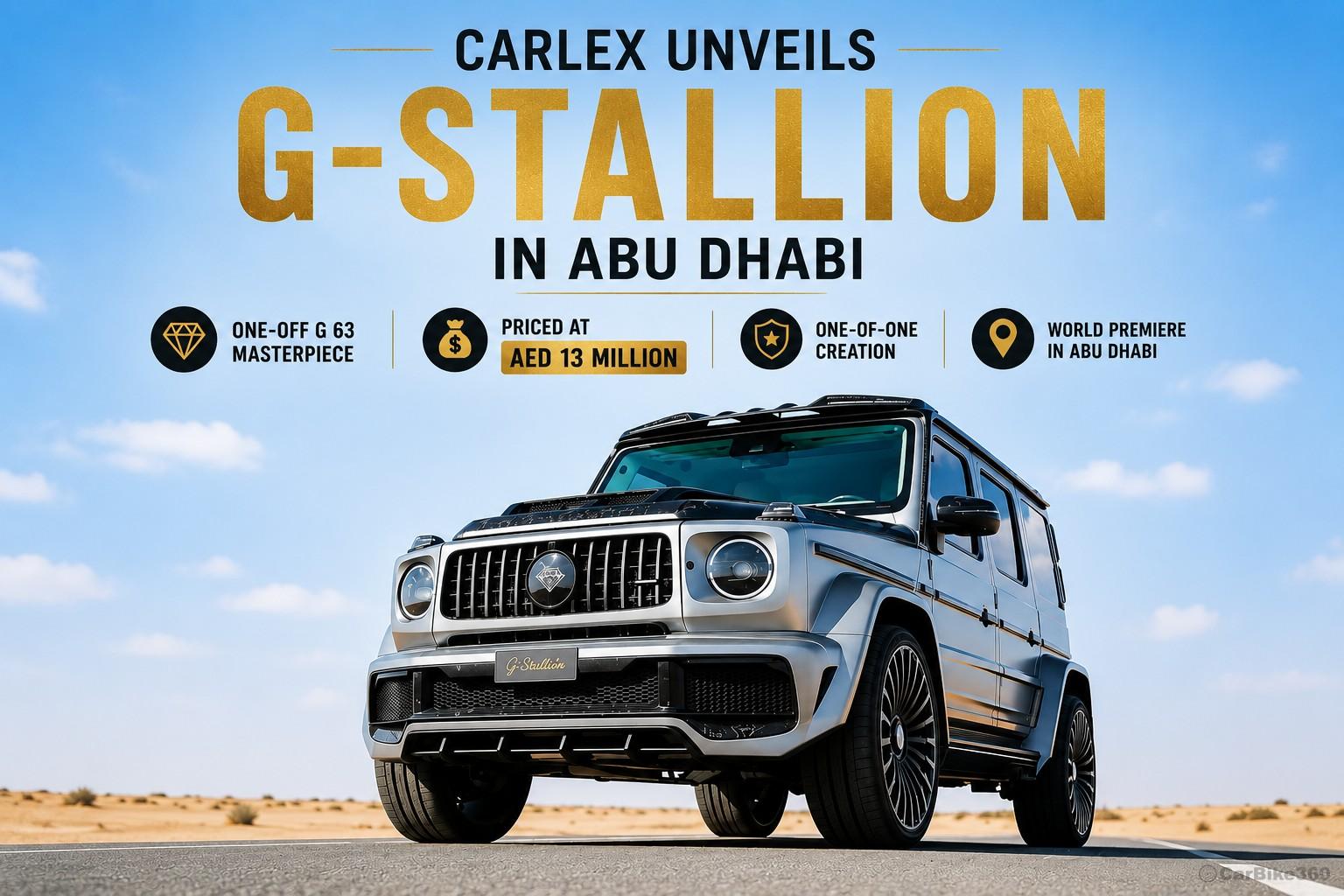
Carlex G-Stallion: One-Off AED 13 Million Mercedes-AMG G 63
Carlex Design has unveiled its spectacular one-off G-Stallion in Abu Dhabi, based on the Mercedes-AMG G 63 and priced at AED 13 million. With a diamond-dust finish, handcrafted aluminum roof and bespoke detailing, it is designed as a true collector’s piece.
01-Sep-2026 05:40 AM
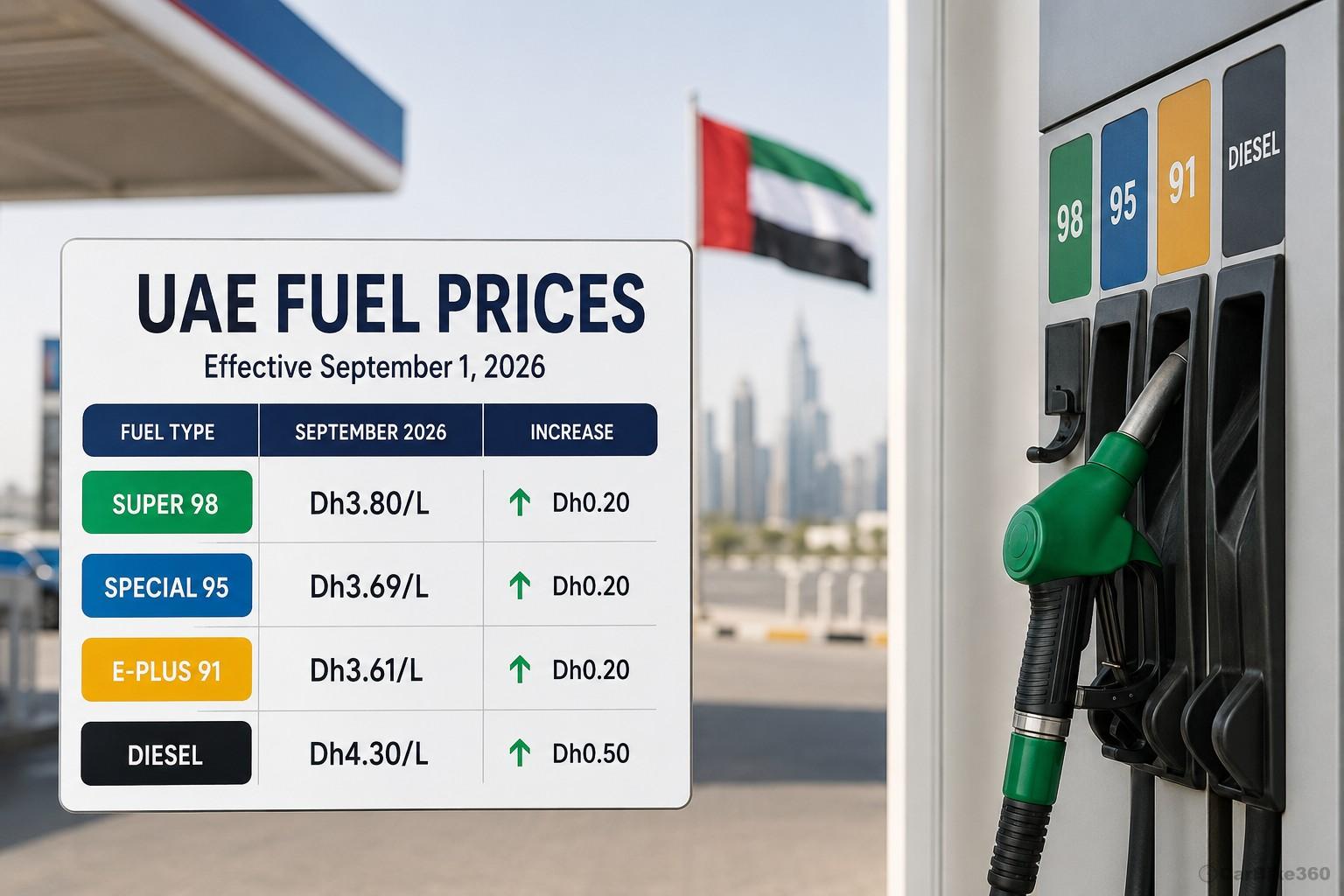
UAE Announces Fuel Price Increase for September 2026
The UAE has announced a fuel price increase for September 2026, effective from September 1. The rise follows previous monthly increases and is driven by global oil market trends. Residents are advised to monitor official updates.
31-Aug-2026 09:00 AM
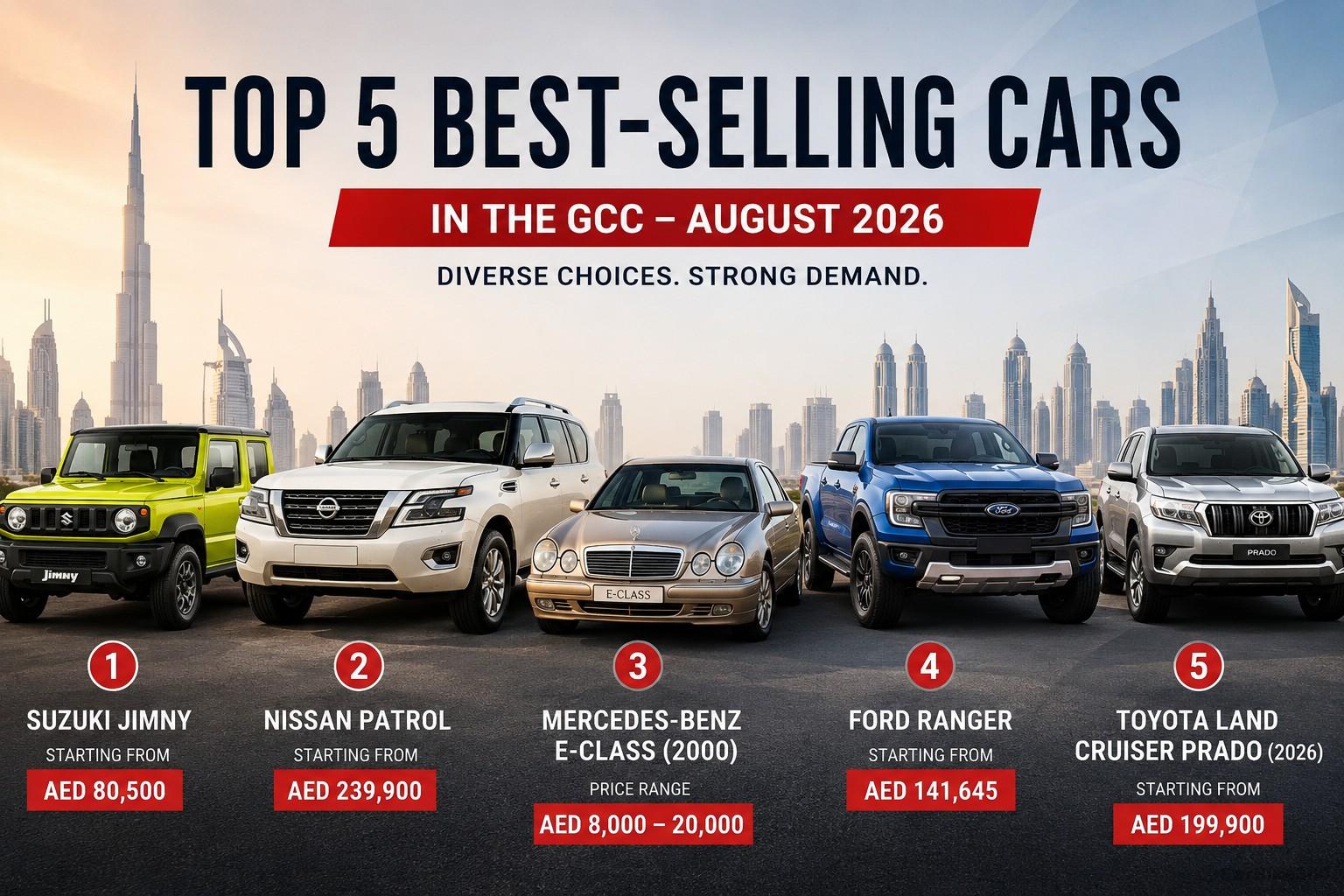
Top 5 Best-Selling Cars in the GCC August 2026: Jimny Leads the Pack
August’s GCC car sales ranking highlights diverse buyer preferences, with the Suzuki Jimny, Nissan Patrol, Mercedes-Benz E-Class, Ford Ranger, and Toyota Prado leading the list. The ranking shows strong demand for affordability, off-road capability, luxury, utility, and resale value.
31-Aug-2026 06:50 AM
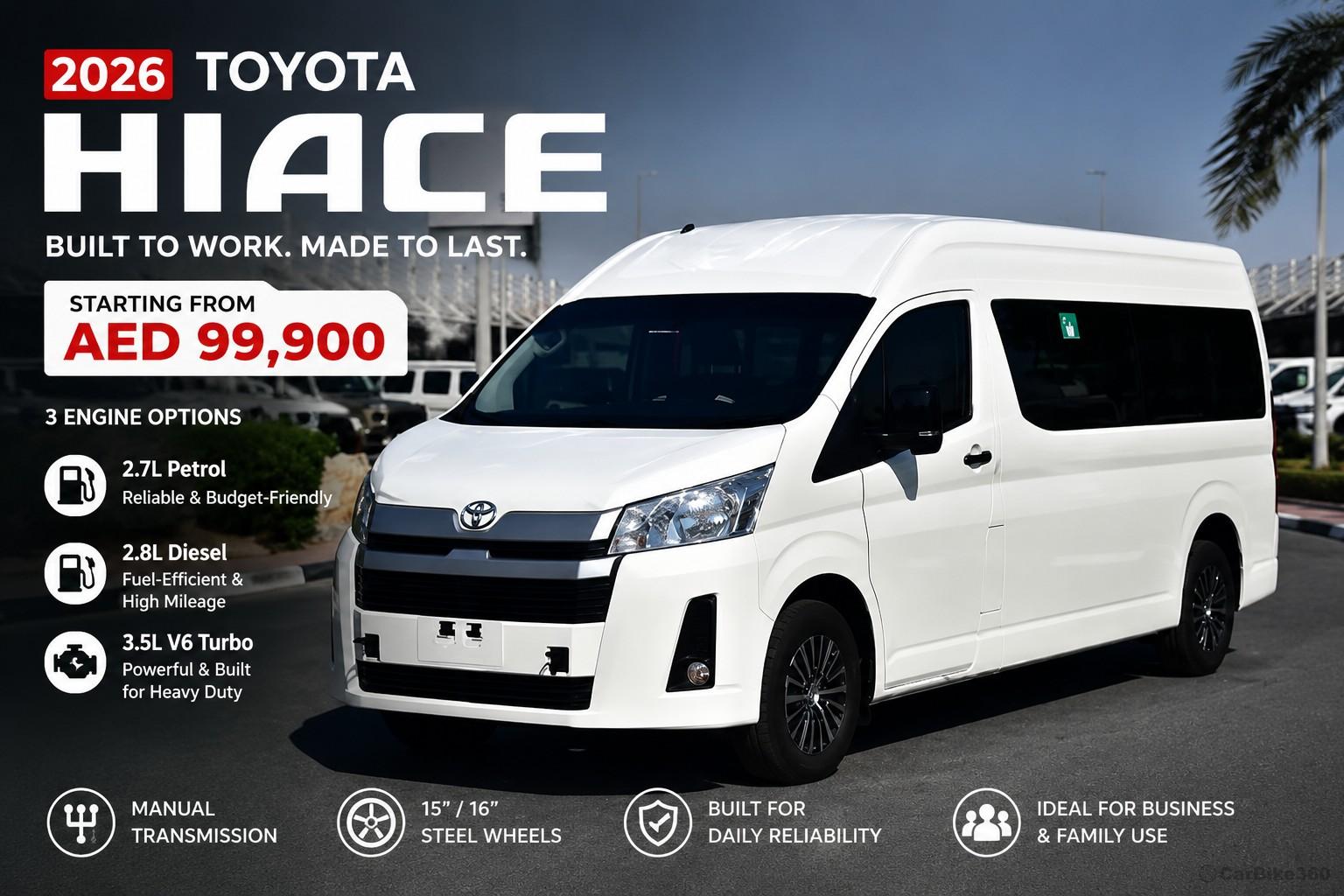
2026 Toyota HiAce Is Here in UAE — Price, Engines & Specs Revealed
The 2026 Toyota HiAce starts at AED 99,900 in the UAE, offering 2.7L petrol, 2.8L diesel and 3.5L V6 turbo engine options with manual transmissions.
31-Aug-2026 05:50 AM
10 Car Technologies UAE Buyers Should Understand Before Paying Extra
UAE car buyers must evaluate new technologies like AEB, adaptive cruise control, and EV charging features. Not all advanced systems are standard, and equipment varies by model and trim. Confirm feature availability before purchase.
27-Aug-2026 10:00 AM
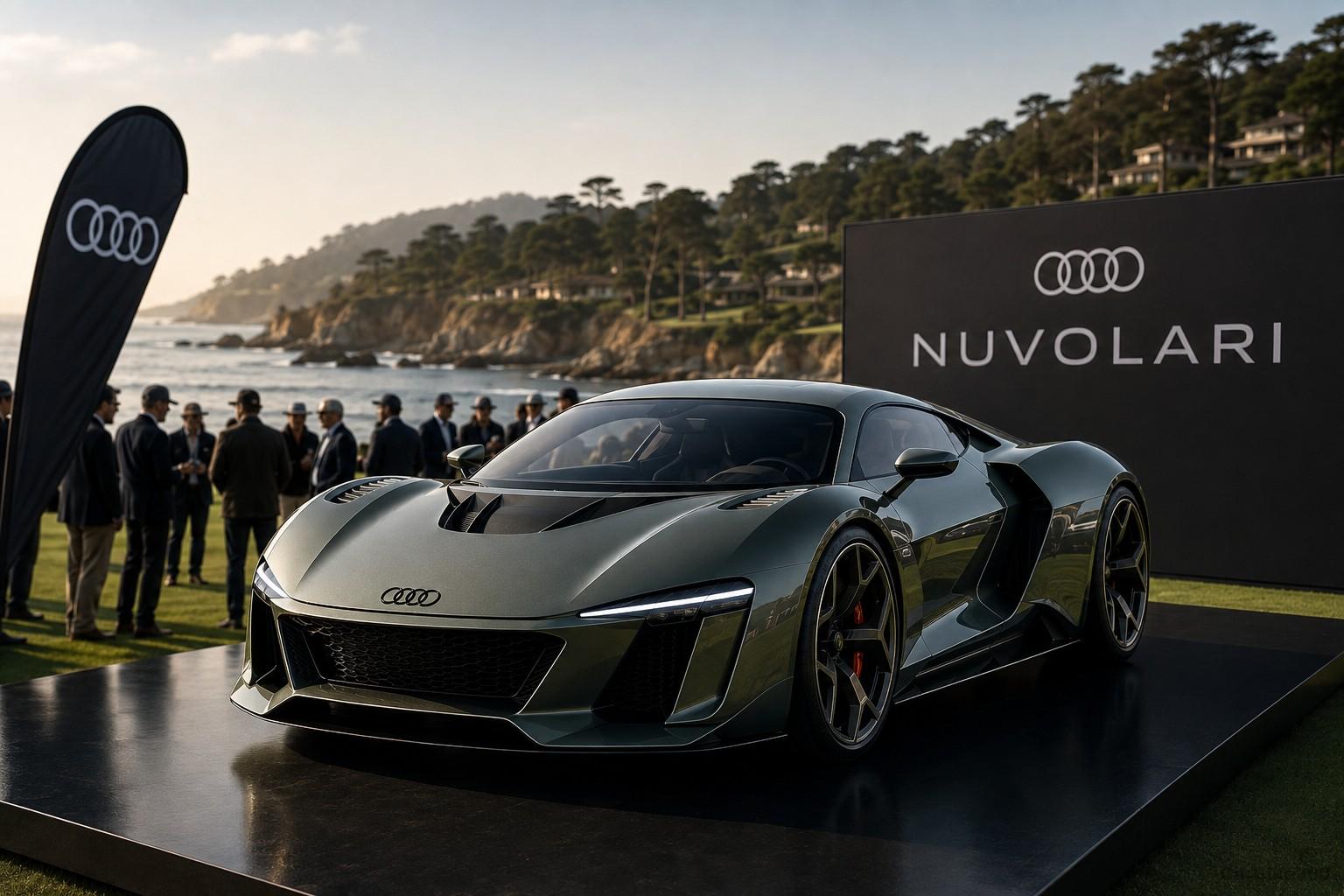
Audi Breaks Cover in America: The 987-HP Nuvolari Redefines the Brand
Audi has unveiled the Nuvolari hybrid supercar in North America at Monterey Car Week, showcasing 987 hp, a 350 km/h-plus top speed and limited production of just 499 units.
27-Aug-2026 05:36 AM




Join Carbike360
Get Trending Updates


UAE’s Fastest Growing Vehicle Marketplace