Why Is My Car Slow To Accelerate? Here's A Guide To Symptoms, Causes, And Fixes






Key Highlights
-
Lagging gas pedal response, reduced power, engine sputtering.
-
Clogged air filters, fuel system issues, ignition system faults, sensor malfunctions, vacuum leaks, and others like catalytic converter problems.
-
Visual inspection for filters and vacuum leaks, checking engine light for codes, consulting a mechanic for detailed assessment.
-
Simple fixes for air filters, professional repairs for fuel, ignition, and sensor issues.
-
Regular maintenance, prompt attention to performance issues, and addressing check engine lights promptly.
Experiencing hesitation and difficulty when your car struggles to accelerate after pressing the gas pedal can be both frustrating and dangerous. Several common issues can lead to sluggish acceleration, and most have relatively straightforward solutions. This guide explores the symptoms, causes, and fixes for slow car acceleration.
Symptoms of Slow Acceleration
- Lag or Hesitation: The car hesitates or lags when you press the gas pedal, showing a delayed response.
- Reduced Power: Noticeable lack of power, especially when merging onto highways or climbing hills, causing the car to struggle to maintain speed.
- Engine Sputtering: The engine may sputter or jerk during acceleration, leading to an inconsistent driving experience.
Causes of Slow Acceleration
-
Air Filter Issues: A clogged air filter restricts airflow into the engine, disrupting the ideal air-fuel mixture needed for optimal combustion, and resulting in decreased power output. This is a common and easy-to-fix problem.
-
Fuel System Problems: The fuel system delivers fuel to the engine for combustion. Issues like clogged fuel filters, dirty fuel injectors, or a failing fuel pump can limit fuel delivery, starving the engine and causing sluggish acceleration.
-
Ignition System Faults: Worn spark plugs or faulty spark plug wires generate a weak spark, leading to incomplete combustion and reduced engine power, which causes sluggish acceleration.
-
Sensor Problems: Malfunctioning sensors like the mass airflow (MAF) sensor or oxygen sensor send incorrect signals to the engine computer, disrupting engine performance and leading to slow acceleration.
-
Vacuum Leaks: Leaks in the intake system allow unmetered air into the engine, disrupting the precise air-fuel mixture needed for efficient combustion and reducing engine power.
-
Other Potential Causes: Issues like a failing catalytic converter, worn transmission components, or low engine oil can also contribute to slow acceleration.
Diagnosing Slow Acceleration

Identifying the root cause of slow acceleration requires some investigative effort. Here are a few steps to follow:
-
Visual Inspection: Begin by checking the air filter for dirt and clogging; replace it if necessary. Look for any loose or disconnected hoses that might indicate a vacuum leak.
-
Check Engine Light: If the check engine light is on, it often points to engine performance issues. Have a mechanic scan the fault codes to get a more precise diagnosis.
-
Mechanic’s Expertise: For a thorough check-up, take your car to a qualified mechanic. They can evaluate the fuel system, ignition system, sensors, and other components to identify the problem.
Fixing Slow Acceleration
The repair solution depends on the diagnosed cause. Here's a general breakdown:
-
Simple Fixes: If a clogged air filter is the problem, replacing it with a new one is a straightforward and inexpensive solution.
-
Professional Repairs: Professional repairs are usually required for other issues. A mechanic can clean or replace faulty fuel system components, service the ignition system, or fix sensor or vacuum leak problems.
Preventing Slow Acceleration
-
Regular Maintenance: Adhering to a regular maintenance schedule is essential to prevent slow acceleration. This includes timely replacement of air filters and spark plugs as recommended in your car’s owner’s manual.
-
Monitor Performance: Pay close attention to your car’s performance. If you notice any decrease in acceleration or hesitation, address it promptly to avoid further issues and potential damage.
-
Check Engine Light: Don’t ignore the check engine light, especially if you experience slow acceleration. It often signals a problem that needs immediate attention.
Slow acceleration can negatively affect your driving experience and safety. By understanding the symptoms, causes, and solutions, you can diagnose and fix the issue to get your car running smoothly again.
Remember, preventive maintenance is key to avoiding these problems and ensuring your engine performs optimally. If you're unsure about the cause of slow acceleration, consult a trusted mechanic for a proper diagnosis and repair.
Verdict
Slow acceleration can be frustrating and potentially dangerous, impacting both your driving experience and safety. By recognizing the symptoms early, and understanding the common causes like air filter issues, fuel system problems, and sensor malfunctions, you can take proactive steps to prevent and address these issues promptly.
Regular maintenance, monitoring your car's performance, and addressing warning signs like the check engine light are crucial in ensuring your vehicle runs smoothly and safely. If you encounter persistent slow acceleration despite these measures, consulting a qualified mechanic for thorough diagnostics and repairs is recommended to maintain optimal engine performance and reliability.
Also Read: Electric Motors For Vehicles — A Reference To Automotive Terminology
More Articles
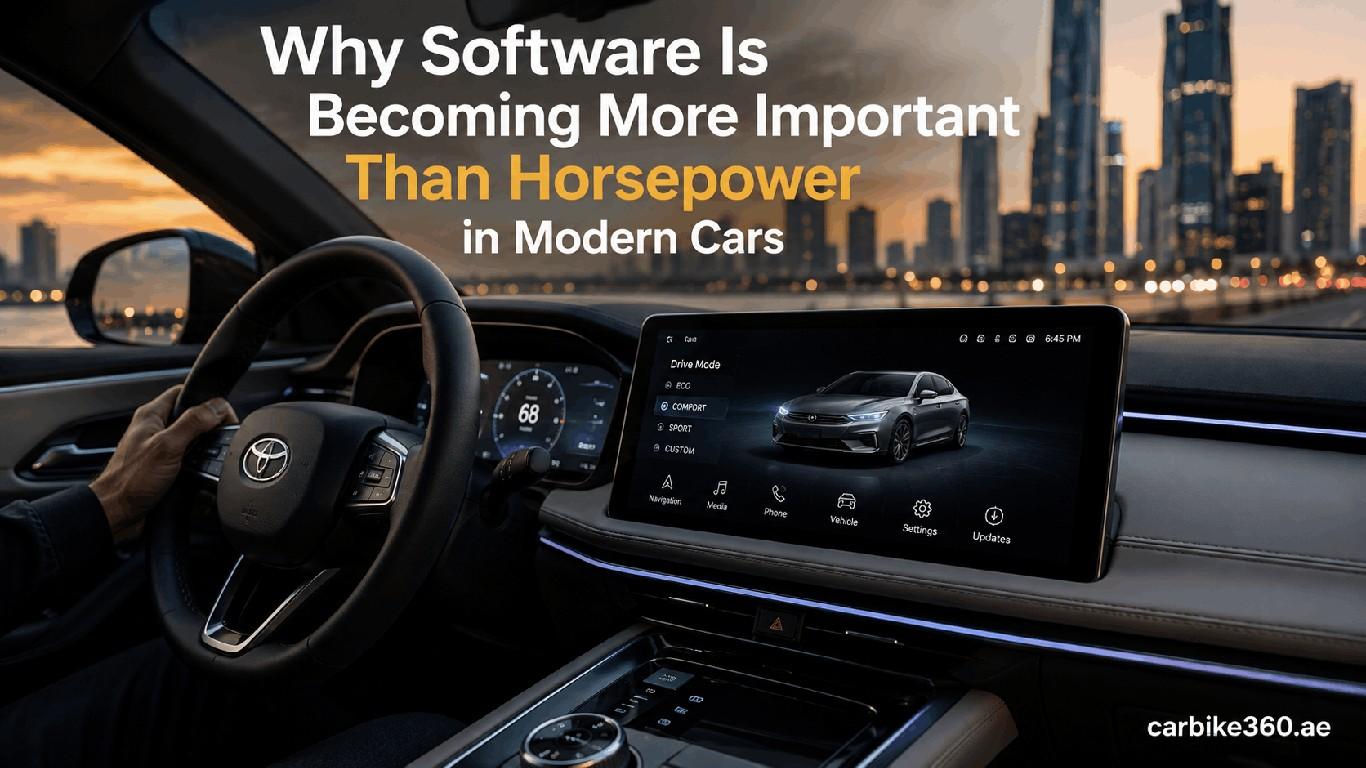
Why Software Is Becoming More Important Than Horsepower in Modern Cars
Discover why software is transforming the automotive industry in 2026. Learn how AI, connected features, over-the-air updates, and software-defined vehicles are becoming more important than horsepower.
12-Aug-2026 01:12 PM

Most Fuel-Efficient SUVs Available in UAE Today: Top Picks for 2026
Discover the most fuel-efficient SUVs available in the UAE in 2026. Compare hybrid and petrol models including Toyota RAV4 Hybrid, Corolla Cross Hybrid, Nissan Kicks, Hyundai Creta, Kia Seltos, and more.
11-Aug-2026 12:58 PM

Honda CR-V Saudi Arabia: Why Thousands of Families Are Choosing It in 2026
The 2026 Honda CR-V combines spacious seating, advanced safety, efficient performance, and premium comfort, making it one of the most practical family SUVs available in Saudi Arabia.
28-Jul-2026 06:06 AM

Why Toyota Land Cruiser Remains the King of UAE Roads in 2026
Discover why the Toyota Land Cruiser continues to dominate UAE roads in 2026. Explore its reliability, off-road capability, family-friendly features, resale value, and enduring popularity across the Emirates.
27-Jul-2026 09:54 AM

Toyota Prado vs Nissan Patrol: The Ultimate UAE SUV Battle in 2026
Toyota Prado or Nissan Patrol? Compare performance, off-road capability, luxury, fuel economy, resale value, and ownership costs to find the best SUV for UAE families in 2026.
24-Jul-2026 12:44 PM
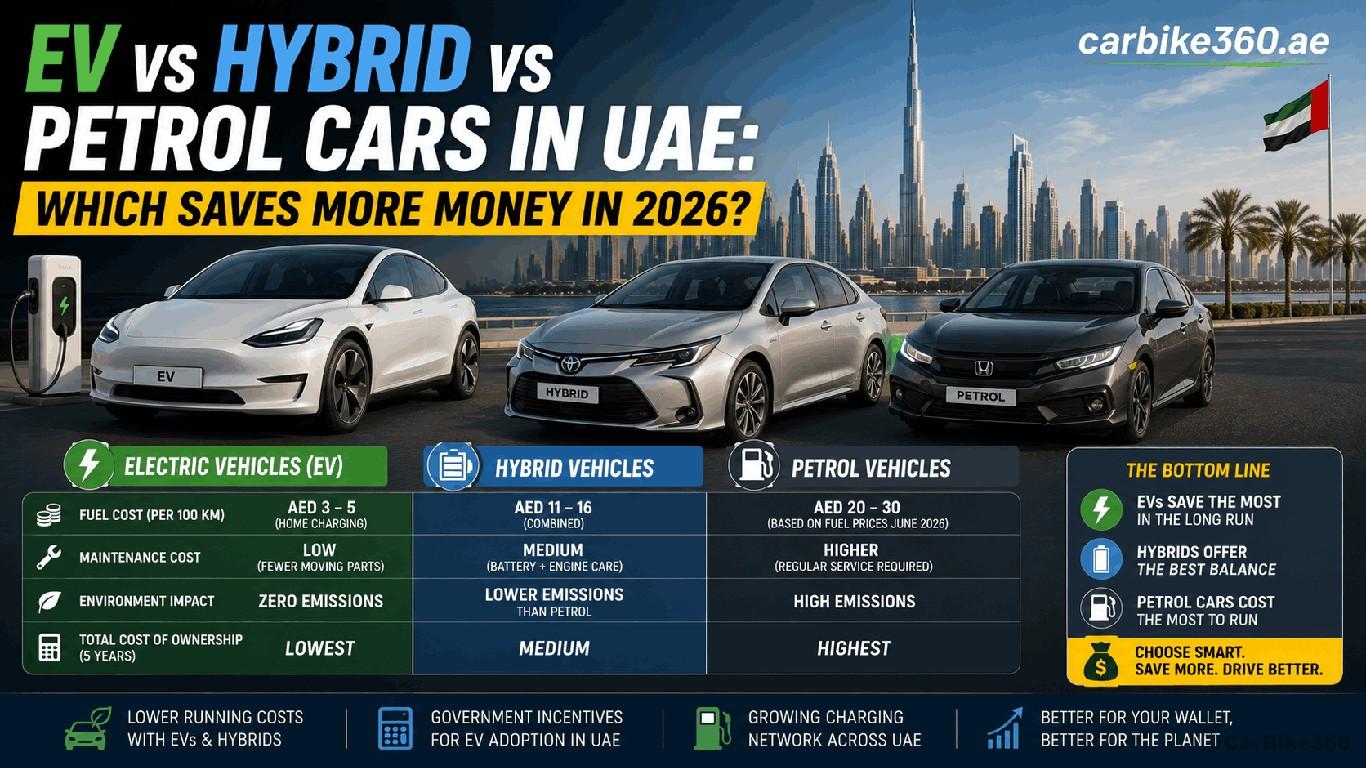
EV vs Hybrid vs Petrol Cars in UAE: Which Saves More Money in 2026?
Compare EVs, hybrids, and petrol cars in the UAE. Discover which vehicle type offers the lowest running costs, best fuel savings, maintenance benefits, and long-term value in 2026.
21-Jul-2026 01:37 PM








Join Carbike360
Get Trending Updates


UAE’s Fastest Growing Vehicle Marketplace