Why Software Is Becoming More Important Than Horsepower in Modern Cars





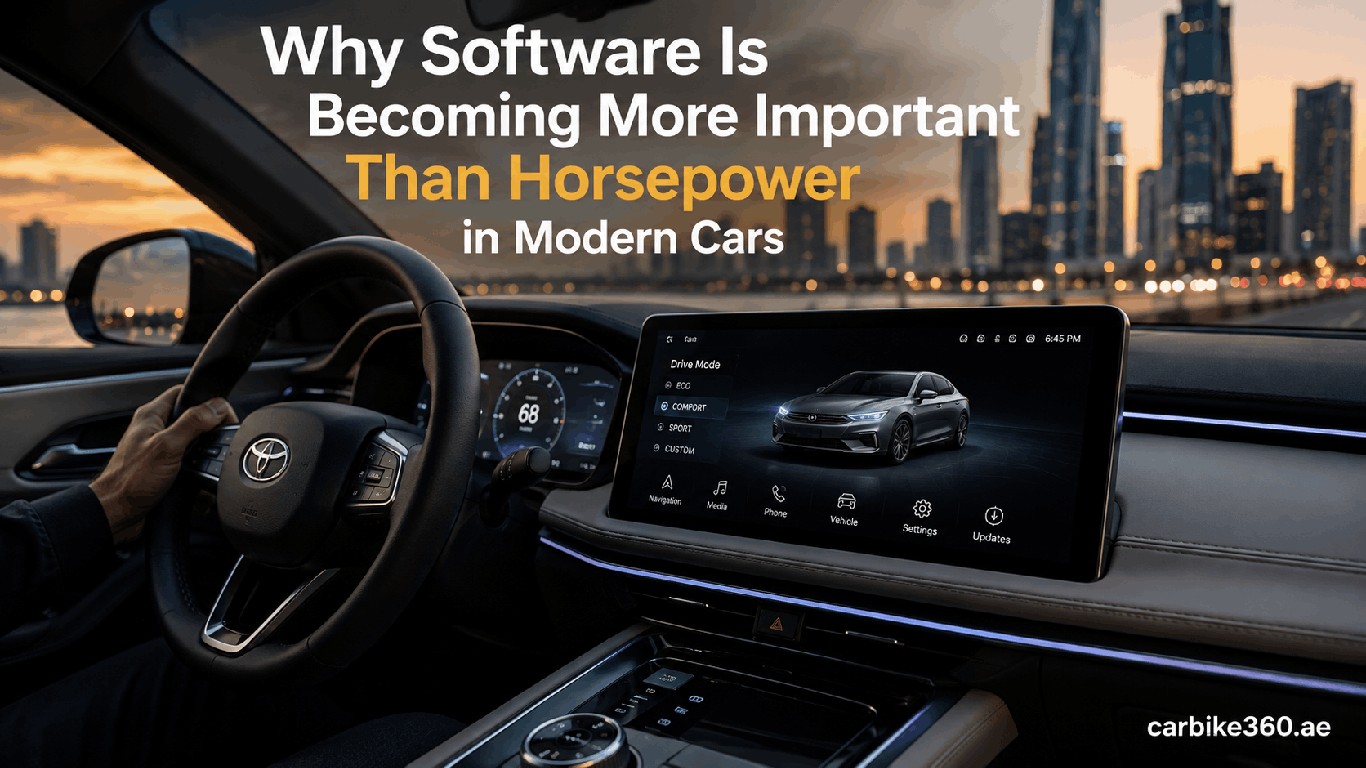
Discover why software is transforming the automotive industry in 2026. Learn how AI, connected features, and software-defined vehicles outpace horsepower.
Software Is the New Horsepower: Why Modern Cars Are Winning With Code, Not Just Engines
Key Highlights
-
Modern vehicles are increasingly being defined by software rather than mechanical performance alone.
-
Features such as ADAS, connected services, AI assistants, and over-the-air (OTA) updates are becoming key purchase factors.
-
Electric vehicles and Software-Defined Vehicles (SDVs) are accelerating the industry's shift toward software-centric design.
-
Chinese EV brands, Tesla, and several global automakers are leading the software-first approach.
-
UAE buyers are paying more attention to technology, connectivity, and digital experiences than ever before.
The Automotive World Is Changing — And Horsepower Is No Longer the Main Attraction
For decades, car buyers judged vehicles using familiar numbers: horsepower, torque, top speed, and engine displacement. A more powerful engine often meant a better car.
But in 2026, that equation is rapidly changing.
Today's buyers still appreciate performance, but increasingly they are asking different questions:
-
Does the car receive software updates?
-
How advanced is the infotainment system?
-
Does it support autonomous driving features?
-
Can the vehicle improve after purchase?
-
How smart is the connected ecosystem?
In many cases, software has become just as important—if not more important—than horsepower.
The automotive industry is entering the era of the Software-Defined Vehicle (SDV), where software controls an increasing share of a vehicle's functionality, from safety systems to user experience and even performance tuning.
From Mechanical Machines to Digital Platforms
Traditionally, cars were largely mechanical products. Once a vehicle left the factory, its capabilities remained mostly unchanged throughout its lifespan.
Today, vehicles are evolving into digital platforms.
Manufacturers can now improve cars through software updates, similar to how smartphones receive new features over time. Tesla helped popularize this concept, and many global brands are now following the same path.
A modern vehicle may receive:
-
Performance enhancements
-
Battery optimization updates
-
New infotainment features
-
Improved navigation systems
-
Enhanced driver-assistance functions
-
Security updates
All without visiting a dealership.
Why UAE Buyers Are Paying Attention
The UAE has one of the most technology-focused automotive markets in the Middle East.
Buyers in Dubai and Abu Dhabi are increasingly looking for vehicles that offer premium digital experiences alongside traditional strengths such as reliability and comfort.
Features that attract UAE buyers today include:
| Software Feature | Why It Matters |
|---|---|
| Over-the-Air Updates | Keeps the vehicle current |
| Connected Mobile Apps | Remote monitoring and control |
| Advanced Driver Assistance Systems | Enhanced safety |
| AI Voice Assistants | Improved convenience |
| Smart Navigation | Better route planning |
| Digital Cockpits | Modern user experience |
For many younger buyers, a vehicle's software ecosystem can be as influential as its engine specifications.
The Rise of Software-Defined Vehicles
One of the biggest trends shaping the automotive industry is the emergence of Software-Defined Vehicles.
Unlike traditional vehicles, SDVs rely on centralized computing systems that allow software to control and continuously improve vehicle functions. Industry experts increasingly view SDVs as the future of automotive development.
This shift allows manufacturers to:
-
Launch new features faster
-
Reduce hardware complexity
-
Improve vehicle performance remotely
-
Personalize user experiences
-
Create long-term software services
Many analysts consider this transition to be as significant as the shift from feature phones to smartphones.
Electric Vehicles Are Accelerating the Software Revolution
Electric vehicles are playing a major role in this transformation.
Unlike traditional petrol-powered cars, EVs rely heavily on software for:
-
Battery management
-
Energy efficiency
-
Charging optimization
-
Thermal control
-
Power delivery
-
Regenerative braking
As a result, many of today's most advanced EVs are effectively computers on wheels.
This is one reason why companies such as Tesla, BYD, XPeng, NIO, and other technology-driven manufacturers have gained significant attention globally.
Performance Is Now About Software Too
Interestingly, software is not replacing performance—it is redefining it.
In the past, increasing performance usually required mechanical upgrades.
Today, software can influence:
-
Acceleration characteristics
-
Power delivery
-
Suspension behavior
-
Steering feel
-
Traction management
-
Energy efficiency
Some vehicles even receive performance improvements through software updates after delivery.
This means the driving experience is increasingly determined by code rather than purely by hardware.
The Battle Is Becoming Tech vs Tech
Historically, automakers competed primarily on:
-
Engine performance
-
Build quality
-
Design
-
Reliability
Now the competition extends to software capabilities.
Manufacturers are investing billions in:
-
Artificial intelligence
-
Autonomous driving
-
Digital services
-
Vehicle operating systems
-
Cloud connectivity
-
In-car ecosystems
Research shows the software-defined vehicle market is expected to grow significantly over the coming decade as automakers shift toward software-centric architectures.
Challenges Still Remain
The software revolution is not without challenges.
As vehicles become more connected, manufacturers must address:
Cybersecurity
More software creates additional security risks that require continuous monitoring and protection.
Reliability
Software bugs can impact user experience and vehicle functionality if not managed properly.
Subscription Fatigue
Some buyers are questioning the growing trend of software-locked features and recurring subscriptions.
Despite these concerns, the industry's direction remains clear.
What This Means for the Future of UAE Cars
As more Chinese brands, EV manufacturers, and technology-focused automakers enter the UAE market, software capabilities will become an even bigger differentiator.
Future buyers may compare:
-
Operating systems
-
AI assistants
-
Update frequency
-
Digital services
-
Autonomous driving features
just as closely as they compare horsepower and fuel economy today.
For many consumers, the question will no longer be "How powerful is the engine?" but rather "How intelligent is the vehicle?"
Final Verdict
Horsepower still matters, especially in a region that loves performance cars and powerful SUVs. But in 2026, software is becoming the new battleground of the automotive industry.
From over-the-air updates and AI-powered features to advanced safety systems and connected services, software increasingly shapes how vehicles perform, evolve, and interact with drivers. The rise of Software-Defined Vehicles signals a future where a car's value is determined not only by what sits under the hood, but also by the millions of lines of code running behind the scenes.
For UAE buyers, the next great automotive competition may not be measured in horsepower at all—it may be measured in software.
More Articles
Most Fuel-Efficient SUVs Available in UAE Today: Top Picks for 2026
Discover the most fuel-efficient SUVs available in the UAE in 2026. Compare hybrid and petrol models including Toyota RAV4 Hybrid, Corolla Cross Hybrid, Nissan Kicks, Hyundai Creta, Kia Seltos, and more.
11-Aug-2026 12:58 PM

Honda CR-V Saudi Arabia: Why Thousands of Families Are Choosing It in 2026
The 2026 Honda CR-V combines spacious seating, advanced safety, efficient performance, and premium comfort, making it one of the most practical family SUVs available in Saudi Arabia.
28-Jul-2026 06:06 AM
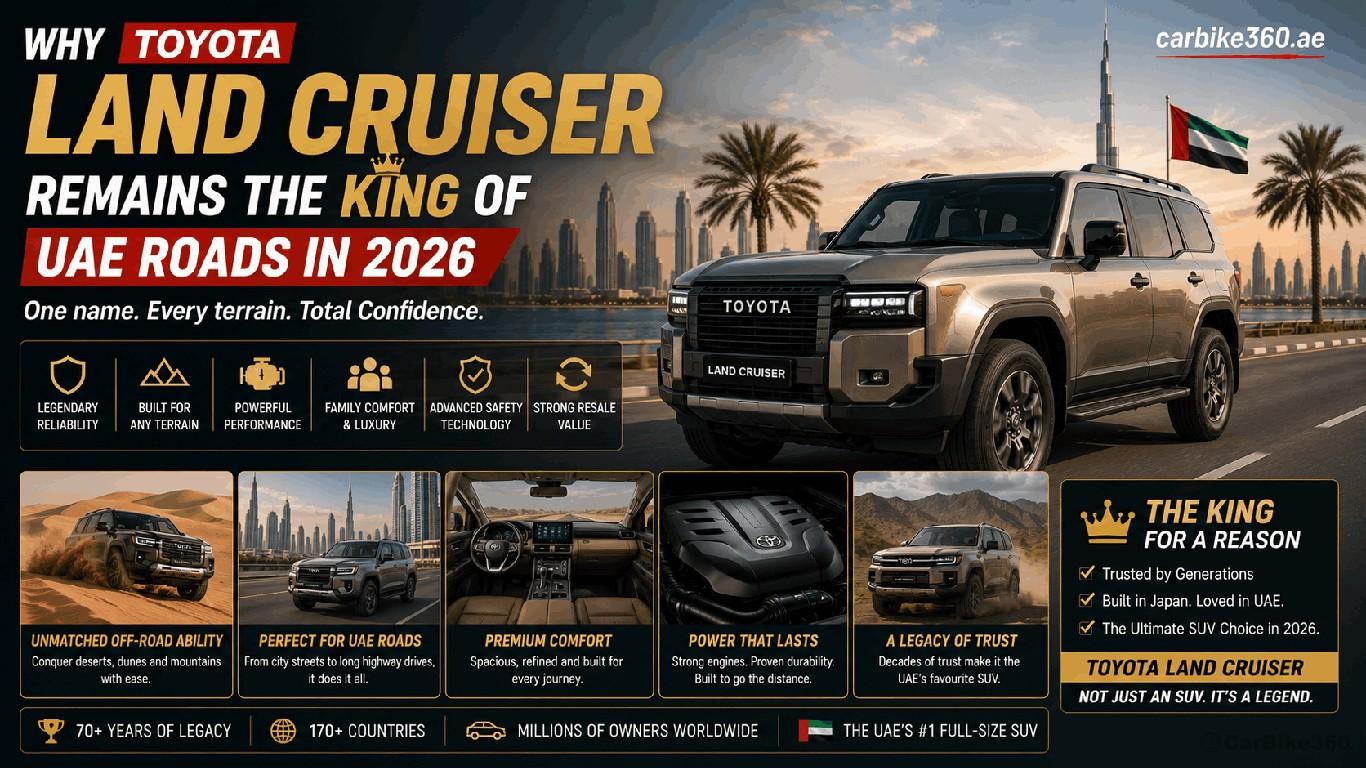
Why Toyota Land Cruiser Remains the King of UAE Roads in 2026
Discover why the Toyota Land Cruiser continues to dominate UAE roads in 2026. Explore its reliability, off-road capability, family-friendly features, resale value, and enduring popularity across the Emirates.
27-Jul-2026 09:54 AM
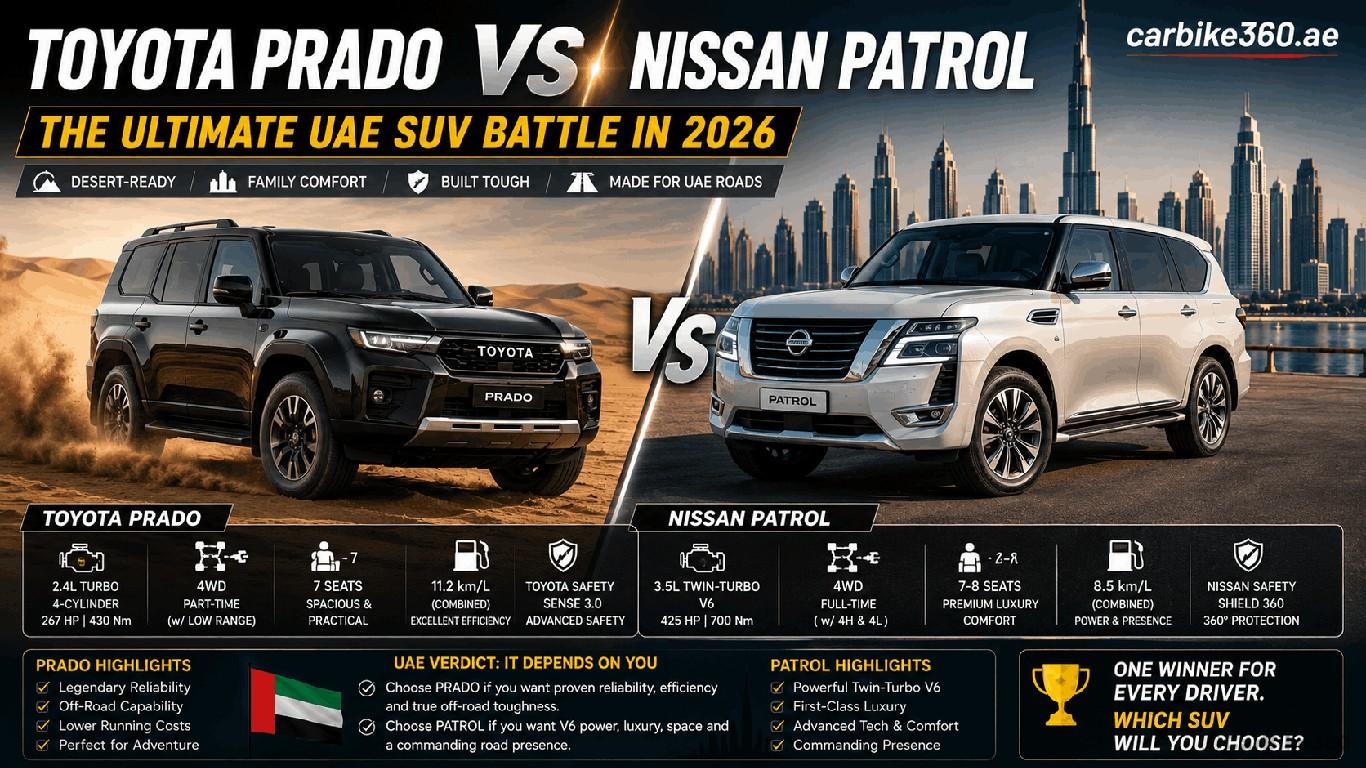
Toyota Prado vs Nissan Patrol: The Ultimate UAE SUV Battle in 2026
Toyota Prado or Nissan Patrol? Compare performance, off-road capability, luxury, fuel economy, resale value, and ownership costs to find the best SUV for UAE families in 2026.
24-Jul-2026 12:44 PM
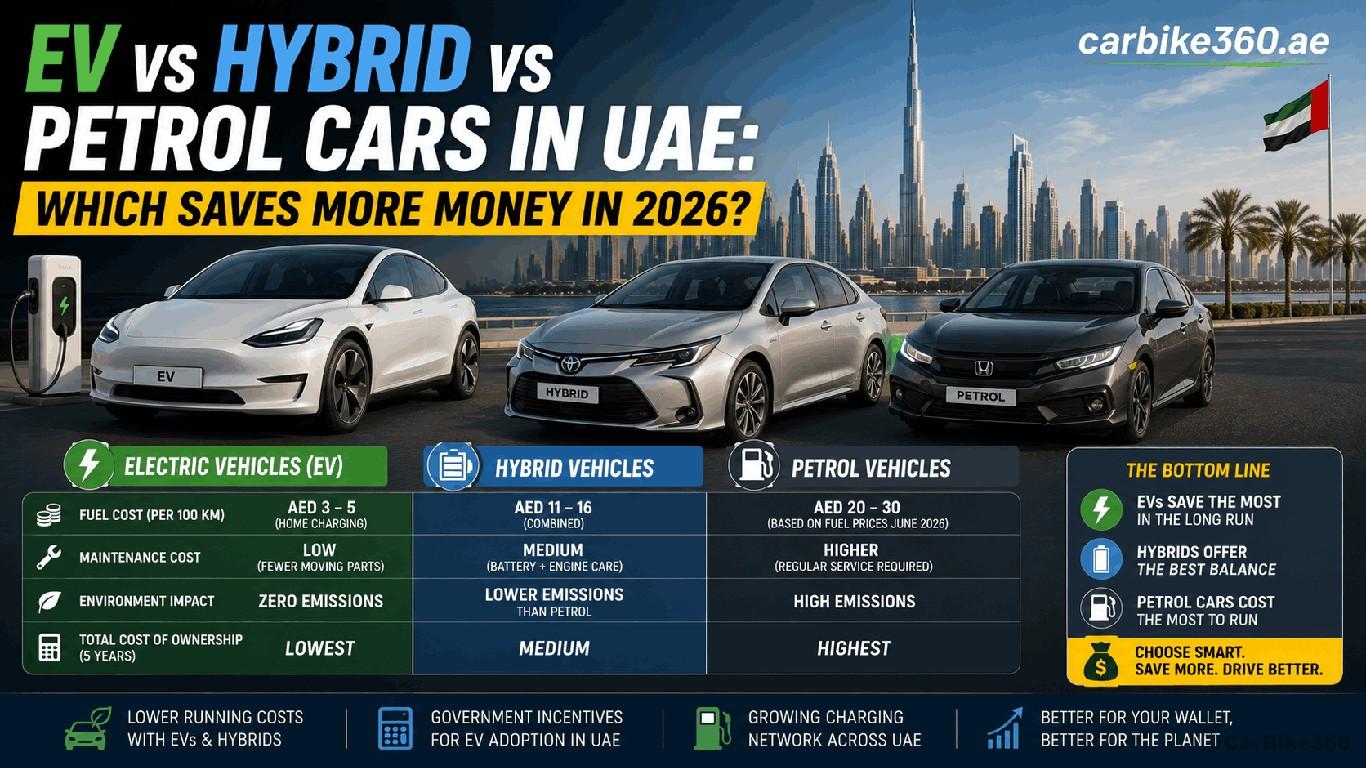
EV vs Hybrid vs Petrol Cars in UAE: Which Saves More Money in 2026?
Compare EVs, hybrids, and petrol cars in the UAE. Discover which vehicle type offers the lowest running costs, best fuel savings, maintenance benefits, and long-term value in 2026.
21-Jul-2026 01:37 PM
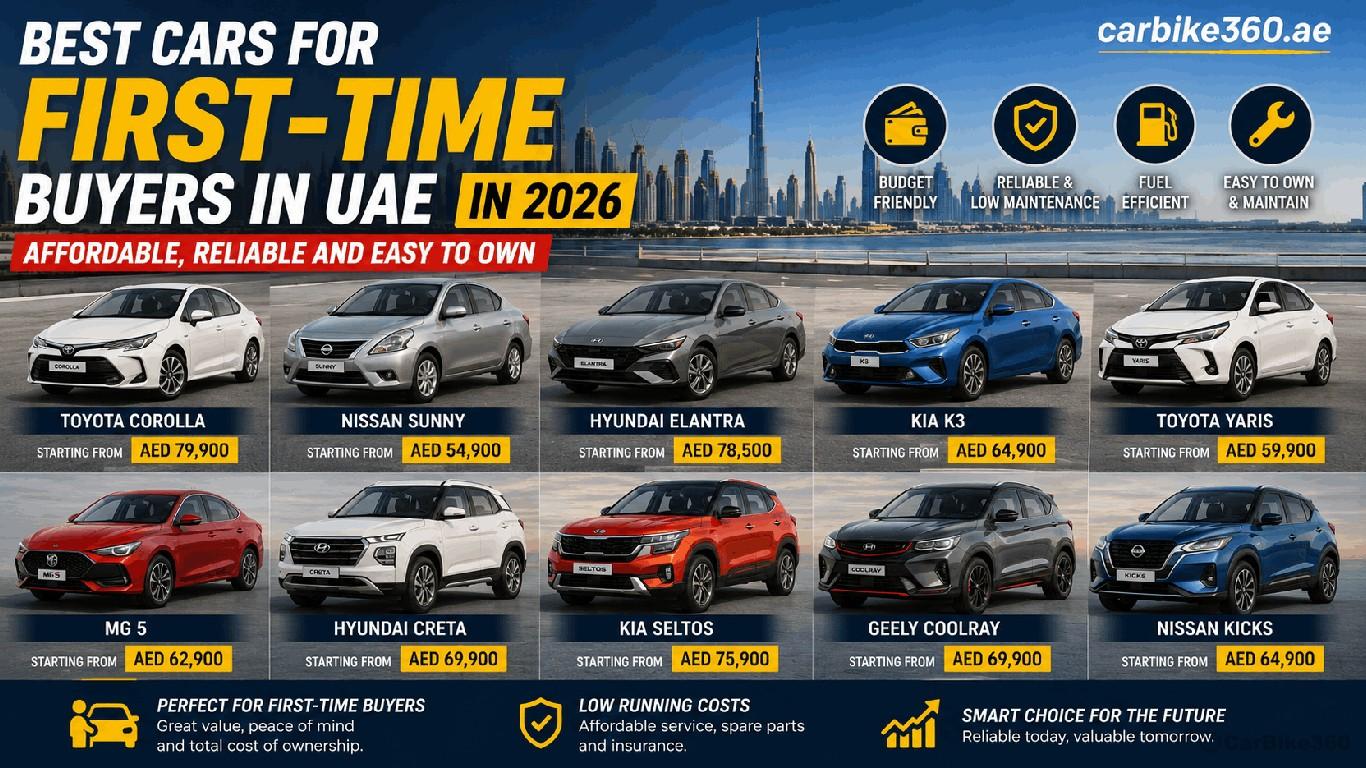
Best Cars for First-Time Buyers in UAE in 2026: Affordable, Reliable and Easy to Own
Looking for your first car in the UAE? Discover the best cars for first-time buyers in 2026, including Toyota Corolla, Nissan Sunny, Hyundai Elantra, Kia K3, Geely Coolray, and more.
20-Jul-2026 12:38 PM








Join Carbike360
Get Trending Updates


UAE’s Fastest Growing Vehicle Marketplace