WHY ARE SPEED LIMITS NECESSARY? WHAT SPEED IS TOO QUICK? MANUAL





A vital part of road safety is speed limits. These speed limits on automobiles are essential for preventing fatalities, reducing collisions, and preserving law and order on our roads. The complex reasons why speed limits are a vital component of our infrastructure for road safety are explained in this article.
Which Was The First Speed Limit To Be Set, And When?
The Locomotive Act, passed by the UK Parliament in 1861, set a speed limit of 10 mph (16 km/h) for "locomotives on highways." Most people agree that this is the first numerical speed limit for cars with mechanical propulsion.

Why Speed Limits Are Set?
-
Accident Prevention: By acting as a preventive measure, speed limits lower the chance of accidents. Limits are a useful tool in reducing the risk of collisions caused by excessive speed.
-
Pedestrian protection: Being a vulnerable road user, pedestrians need protection. By requiring cars to travel at set speeds, speed limits make the environment safer for them and make it easier for pedestrians to cross the street safely.
-
Minimizing Collision Severity: Slower moving vehicles can significantly lessen the force of impact injuries in the unfortunate event of a collision. Respecting speed limits is essential for preventing injuries because speed and impact force are directly correlated.
-
Smoother Traffic Flow: Having speed limits enforced helps to improve traffic flow. Even speeds improve overall road efficiency, which lowers traffic and the chance of bottlenecks.
-
Improved Driver Control: Having a reasonable speed limit helps drivers keep better control of their cars, which is important in emergencies because it allows for quicker and more effective reactions to unforeseen events. An automobile's brakes also play a major role in this aspect.
-
Reduced Environmental Impact: Not only does excessive speed put lives in danger, but it also harms the environment. Reduced fuel use and emissions from slower-moving vehicles can support a more environmentally friendly and sustainable mode of transportation.

-
Standardization for Predictability: For drivers, speed limits create a uniform environment. Speed limits guarantee that drivers can predict other drivers' actions on the road, which is essential for safe driving.
-
Law enforcement: The foundation of law enforcement is the speed limit. Determining boundaries gives authorities the ability to keep an eye on and punish those who cross them, which discourages careless driving.
-
Adapting to Road Conditions: Different kinds of roads have different speed restrictions. Setting distinct speed restrictions for residential areas, highways, and urban zones acknowledges the variety of driving environments and maximizes safety in each.
Today's vehicles come with various degrees of Advanced Driver Assistance Systems installed. With the aid of sign recognition, these active safety systems will assist the driver in navigating the vehicle per speed limits and other traffic regulations.
How Do Speed Limits Get Set?
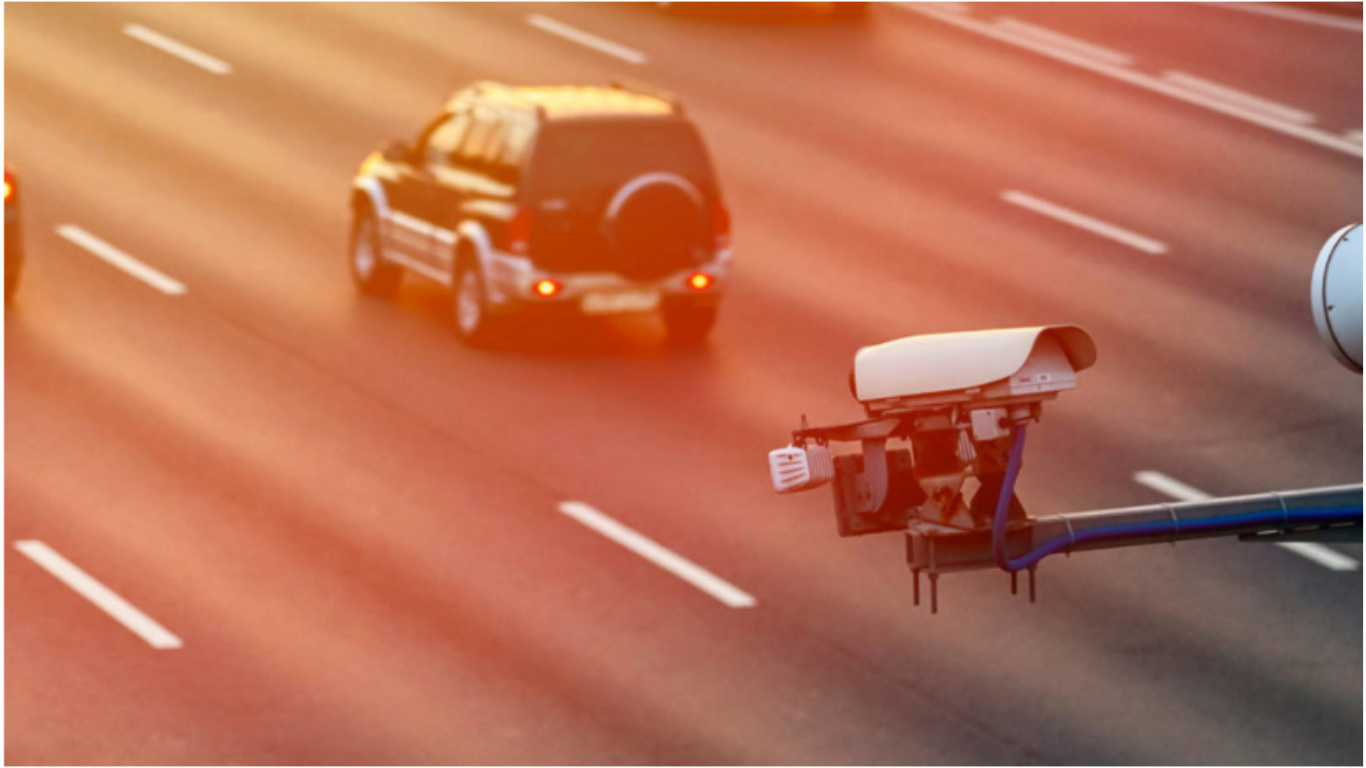
Several factors, such as local laws, crash history, traffic volume, and road design, influence the decision about the speed limit. Furthermore, driver behavior and safety are critical, with technology and speed surveys aiding in the determination of practical and efficient limits.
The objective is to maintain legal consistency, balance effective traffic flow with road safety, and allow for public input.
The following factors should be taken into account when choosing a speed limit:
- 85th Percentile Speed: The average driver's secure and comfortable speed (85%).
- Road Design: Safe speeds are impacted by shoulders, lanes, and curves.
- Traffic Volume & Mix: Lower limits may be required for heavy or diverse vehicle traffic.
- Crash Data: Previous mishaps can inform modifications.
- Legal Guidelines: National and state laws as well as suggestions for various roads.
- Public Input: Surveys and hearings help identify the issues and preferences of the community.
What Speed Is Too Fast For Your Car?

Recommendations for speed limits may not always apply, even though they usually encourage safe driving for the majority of cars. Depending on the kind of vehicle you are driving, there are different safe speeds. To better comprehend this phenomenon, let's look at a few examples.
Top Speed On Hatchbacks
Because of its lower center of gravity, hatchbacks are less likely to topple over or flip around a bend. This feature also helps a hatchback maintain stable dynamics, which enables it to maintain stability while cornering at a reasonable speed.
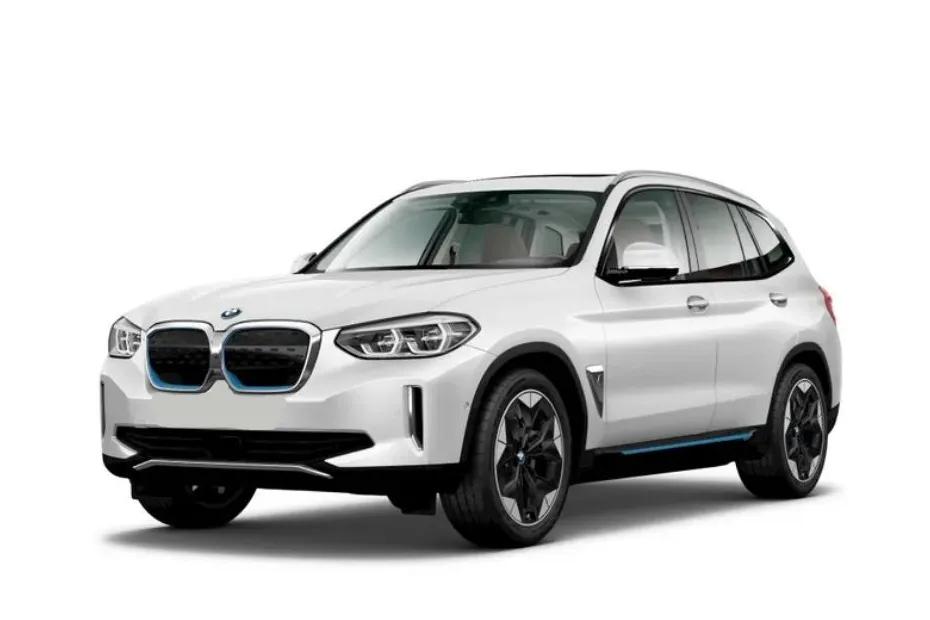
Maximum Speed for SUVs and MPVs
However, compared to a standard hatchback, SUVs and MPVs are taller cars with a higher center of gravity. When maneuvering around a bend, this higher center of gravity increases the chance of flipping or toppling. Therefore, to ensure safe and stable maneuvering, it is advised that SUVs and MPVs take turns at lower speeds.
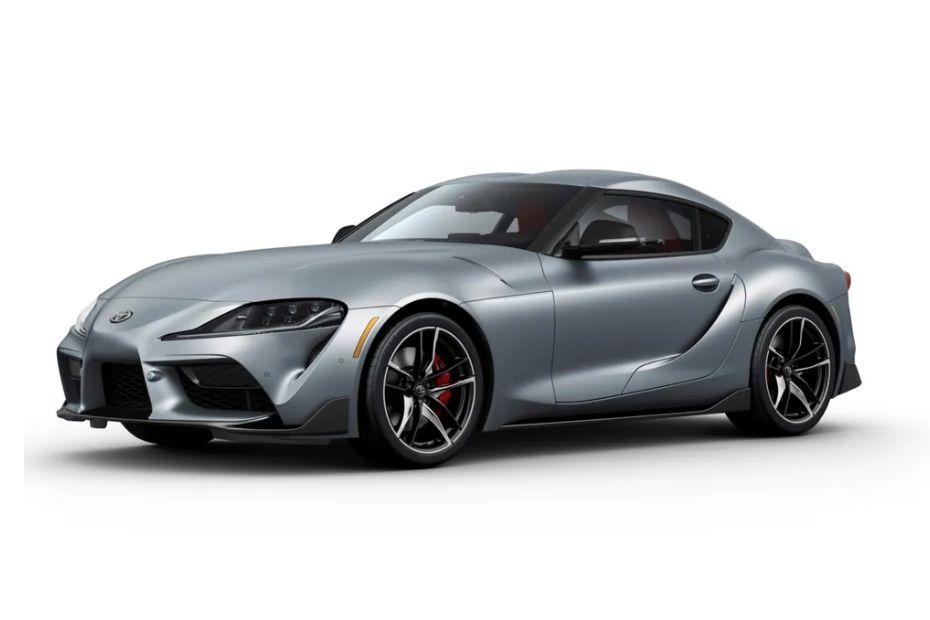
Supercar Speed Limit
As far as cars go, supercars are some of the most cavernous machines on the road. Out of all the car categories, they have the lowest center of gravity. This feature gives the driver more stability and control when maneuvering supercars around curves at amazing speeds.
In summary, speed limits are an essential component of responsible and safe road use; they are not arbitrary limitations. The significance of speed limits is crucial for fostering a safe and orderly transportation system because obeying them is a shared responsibility that guarantees everyone's safety on our roadways.
Also read our latest article about Role Of Car Batteries In Hybrid Vehicles
More Articles
Why Software Is Becoming More Important Than Horsepower in Modern Cars
Discover why software is transforming the automotive industry in 2026. Learn how AI, connected features, over-the-air updates, and software-defined vehicles are becoming more important than horsepower.
12-Aug-2026 01:12 PM
Most Fuel-Efficient SUVs Available in UAE Today: Top Picks for 2026
Discover the most fuel-efficient SUVs available in the UAE in 2026. Compare hybrid and petrol models including Toyota RAV4 Hybrid, Corolla Cross Hybrid, Nissan Kicks, Hyundai Creta, Kia Seltos, and more.
11-Aug-2026 12:58 PM
Honda CR-V Saudi Arabia: Why Thousands of Families Are Choosing It in 2026
The 2026 Honda CR-V combines spacious seating, advanced safety, efficient performance, and premium comfort, making it one of the most practical family SUVs available in Saudi Arabia.
28-Jul-2026 06:06 AM

Why Toyota Land Cruiser Remains the King of UAE Roads in 2026
Discover why the Toyota Land Cruiser continues to dominate UAE roads in 2026. Explore its reliability, off-road capability, family-friendly features, resale value, and enduring popularity across the Emirates.
27-Jul-2026 09:54 AM

Toyota Prado vs Nissan Patrol: The Ultimate UAE SUV Battle in 2026
Toyota Prado or Nissan Patrol? Compare performance, off-road capability, luxury, fuel economy, resale value, and ownership costs to find the best SUV for UAE families in 2026.
24-Jul-2026 12:44 PM
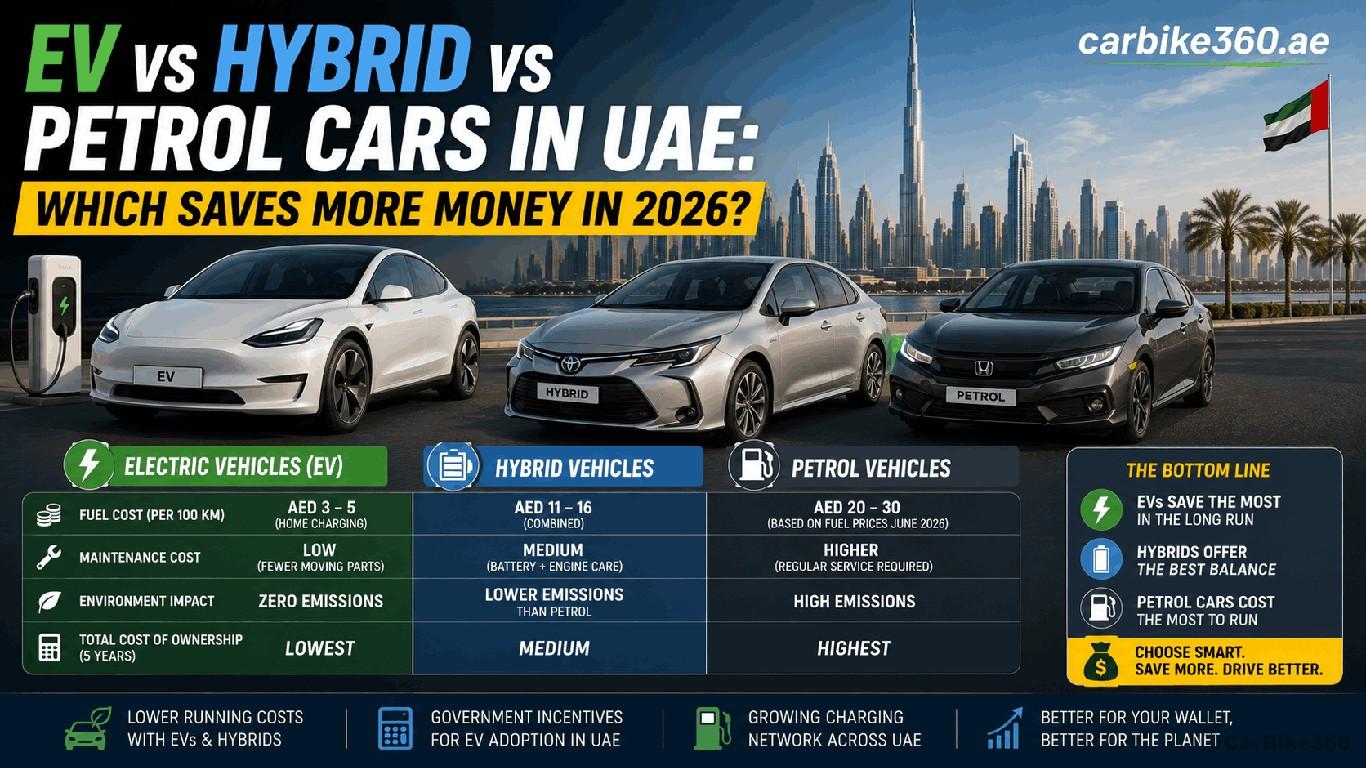
EV vs Hybrid vs Petrol Cars in UAE: Which Saves More Money in 2026?
Compare EVs, hybrids, and petrol cars in the UAE. Discover which vehicle type offers the lowest running costs, best fuel savings, maintenance benefits, and long-term value in 2026.
21-Jul-2026 01:37 PM








Join Carbike360
Get Trending Updates


UAE’s Fastest Growing Vehicle Marketplace