Hybrids in UAE 2026: The Smart, Practical Bridge to Full EV Life





- Hybrids balance fuel efficiency and range in the UAE's hot climate
- Charging infrastructure expands, but hybrids ease transition
- Hybrid sales surge 45%, EVs grow 250% in recent years
Hybrids in UAE 2026: The Practical Bridge to Full Electrification. Why Buyers Are Choosing Smart Over Speedy?
Picture this: You're cruising down Sheikh Zayed Road in Dubai, the sun beating down on your car, and you're not worried about battery drain or the next charging stop. That's the allure of hybrids in the UAE right now. As we hit 2026, UAE buyers are increasingly turning to hybrid vehicles as a "practical" stepping stone to full electrification. With the country's ambitious Net Zero 2050 goals looming, why are residents favoring this middle ground? It's a mix of real-world usability, evolving infrastructure, and smart economics. In this deep dive, we'll explore the reasons, backed by fresh data, charts, and insights, to help you decide if a hybrid is your next ride.
Hybrids aren't just a compromise; they're a clever adaptation to the UAE's unique driving conditions. From long inter-emirate trips to urban stop-and-go traffic, these vehicles combine petrol engines with electric motors for better fuel economy without the full commitment to plugs and chargers. According to industry experts, hybrids can cut fuel consumption by 20-30% compared to traditional petrol cars, making them a wallet-friendly choice amid fluctuating fuel prices. But let's break it down further.
The Hybrid Edge: Conquering Heat, Distance, and Daily Drives
Why are UAE drivers ditching pure petrol for hybrids but holding off on full EVs? It boils down to practicality in a desert nation. The UAE's scorching temperatures, often exceeding 40°C, can reduce EV battery efficiency by up to 20%, leading to shorter ranges and longer charge times. Hybrids sidestep this by seamlessly switching between electric and gas power, ensuring you never get stranded on a highway to Abu Dhabi or a desert outing.
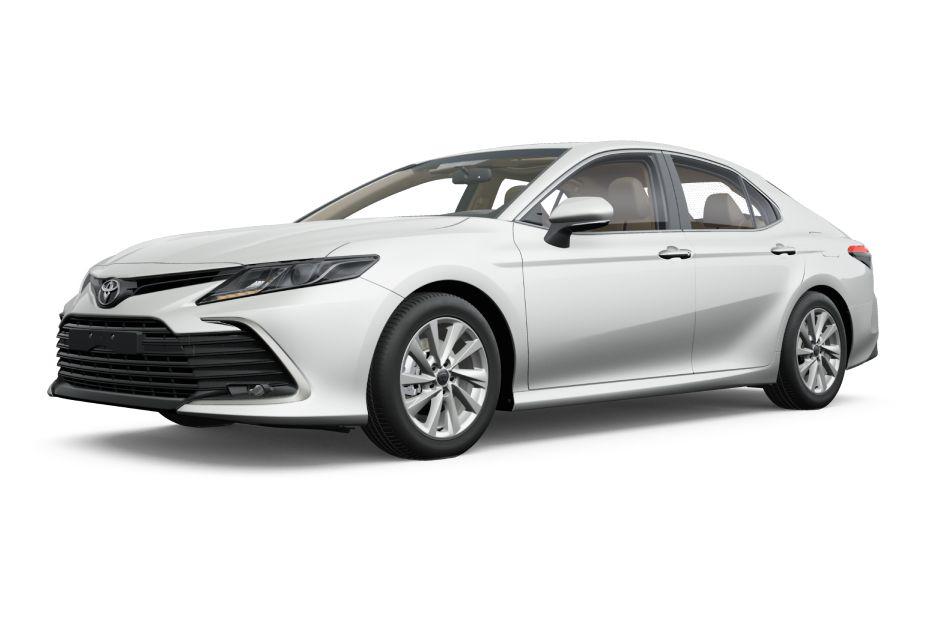
Range anxiety is real here. With distances like the 150km stretch between Dubai and Abu Dhabi, hybrids offer 600-800km on a full tank plus battery, far outpacing many EVs' 300-400km real-world range in heat. No wonder hybrids are dubbed the "bridge"; they provide eco-benefits without lifestyle changes. For families or commuters, this means reliability: think Toyota Camry Hybrid or Lexus RX Hybrid, popular for their seamless tech and safety features.
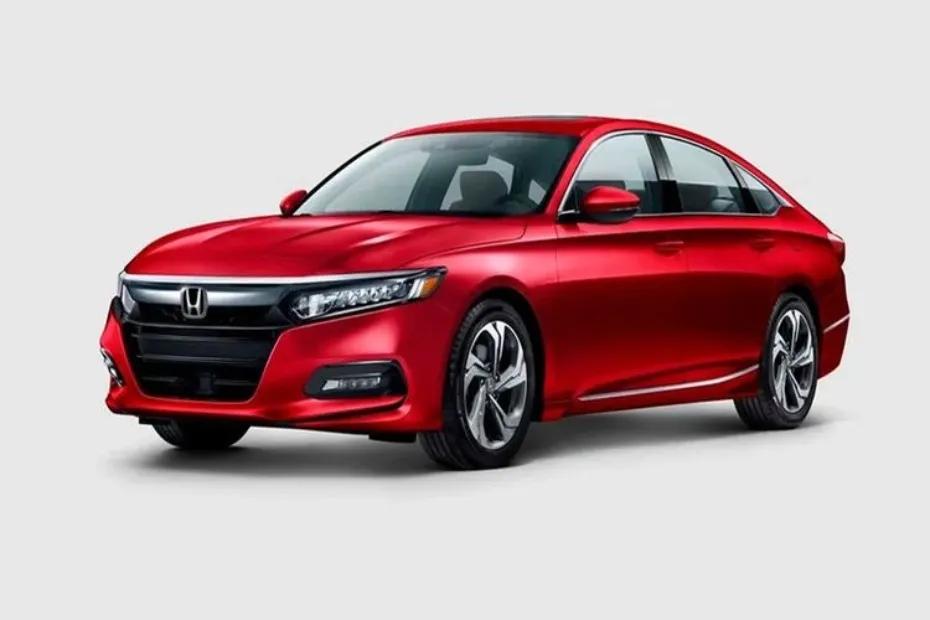
Cost plays a big role, too. While EVs boast lower running costs (electricity at AED 0.70-1.20/kWh vs. petrol), hybrids shine in upfront affordability. A mid-range hybrid like the Honda Accord Hybrid starts around AED 120,000, versus AED 150,000+ for comparable EVs. Plus, maintenance is minimal, no full battery replacements yet, and regenerative braking extends brake life.
Let's look at a quick comparison table to highlight the differences:
|
Aspect
|
Hybrids
|
** Full EVs**
|
| --- | --- | --- |
|
Range
|
600-800km (combined)
|
300-500km (battery only)
|
|
Fuel/Energy Cost
|
20-30% savings vs. petrol
|
Up to 80% savings vs. petrol
|
|
Charging Time
|
No plug needed (self-charging)
|
20-60 mins for fast charge
|
|
Climate Impact
|
Good in heat; no range loss
|
Reduced efficiency in 40°C+
|
|
Upfront Price
|
AED 100k-200k
|
AED 150k-300k+
|
|
Government Incentives
|
Some rebates; green perks
|
Free parking, Salik tags, reduced fees
|
|
Emissions Reduction
|
20-30% lower than petrol
|
Zero tailpipe emissions
|
This table underscores why hybrids are the "practical" choice for many. As one Dubai resident shared on Reddit, "Charging at home is great, but with solar panels in summer, it's cheap. For now, hybrid solves my range anxiety."
And the market agrees. Hybrid sales jumped 45% in 2023, acting as a gateway for EV skeptics. In 2026, hybrids remain top for versatility, especially for apartment dwellers without home chargers or those with frequent long drives.
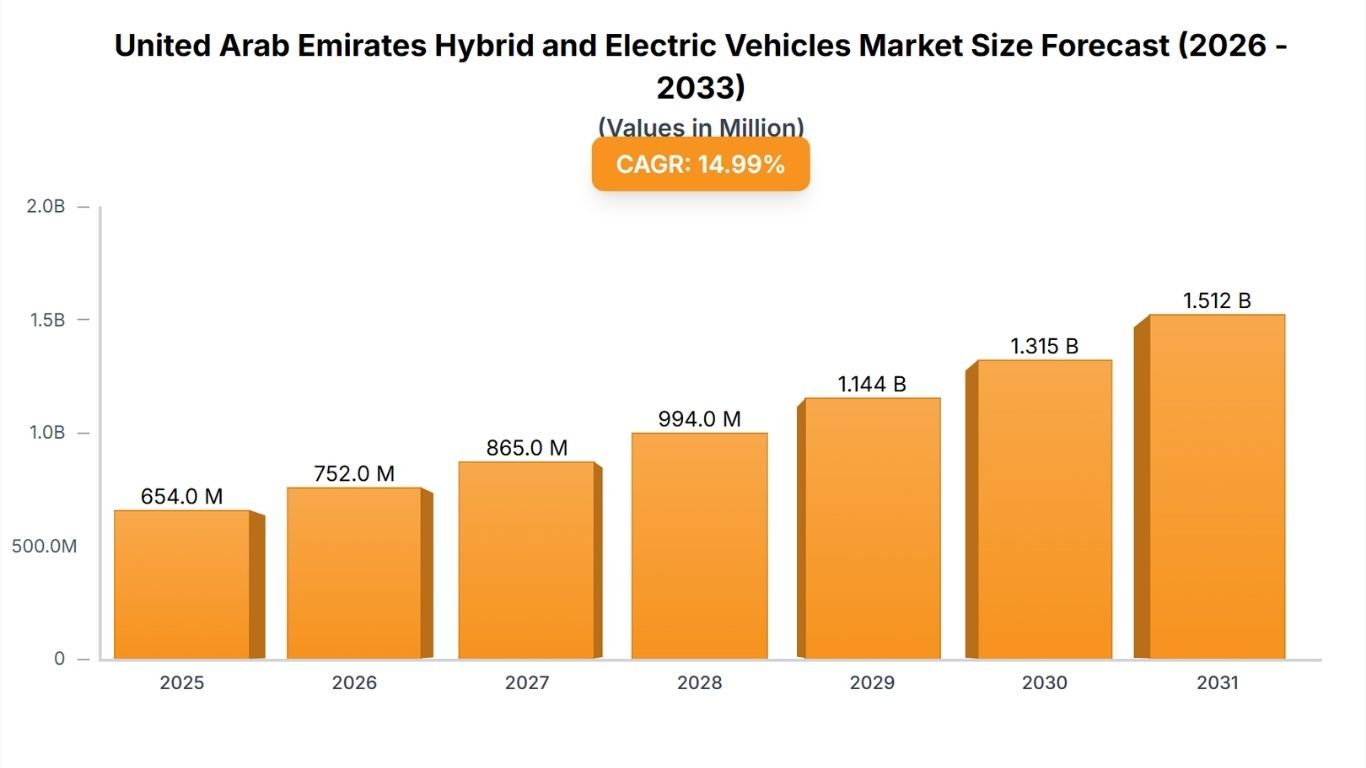
Here's a visual on the growth: This chart shows the UAE hybrid and EV market size forecast, highlighting a 14.99% CAGR from 2026 onward. Hybrids are fueling the transition.
Infrastructure Hurdles: Why Full EVs Are Still a Wait-and-See
The UAE is charging ahead with EV infrastructure, but it's not quite there for mass adoption. As of mid-2024, over 1,000 public charging points exist, with plans for 42,000 by 2030. In 2026, we've seen milestones like ADNOC's mega hub with 60 ultra-fast stalls on the Abu Dhabi-Dubai highway, charging EVs to 80% in 20 minutes. DEWA added 100+ stations in Dubai in 2024-2025, and private players like Regeny aim for 10,000 by 2030.
Yet, challenges persist. Urban areas like Dubai have dense networks, but rural or inter-emirate routes lag. Apartment living complicates home charging; not everyone has a villa with solar panels. The National EV Policy (2023) addresses this by unifying standards and building a centralized database of stations. Incentives help: EVs get free parking, Salik tags, and reduced fees in Dubai. But for now, hybrids eliminate the "planning around chargers" hassle.
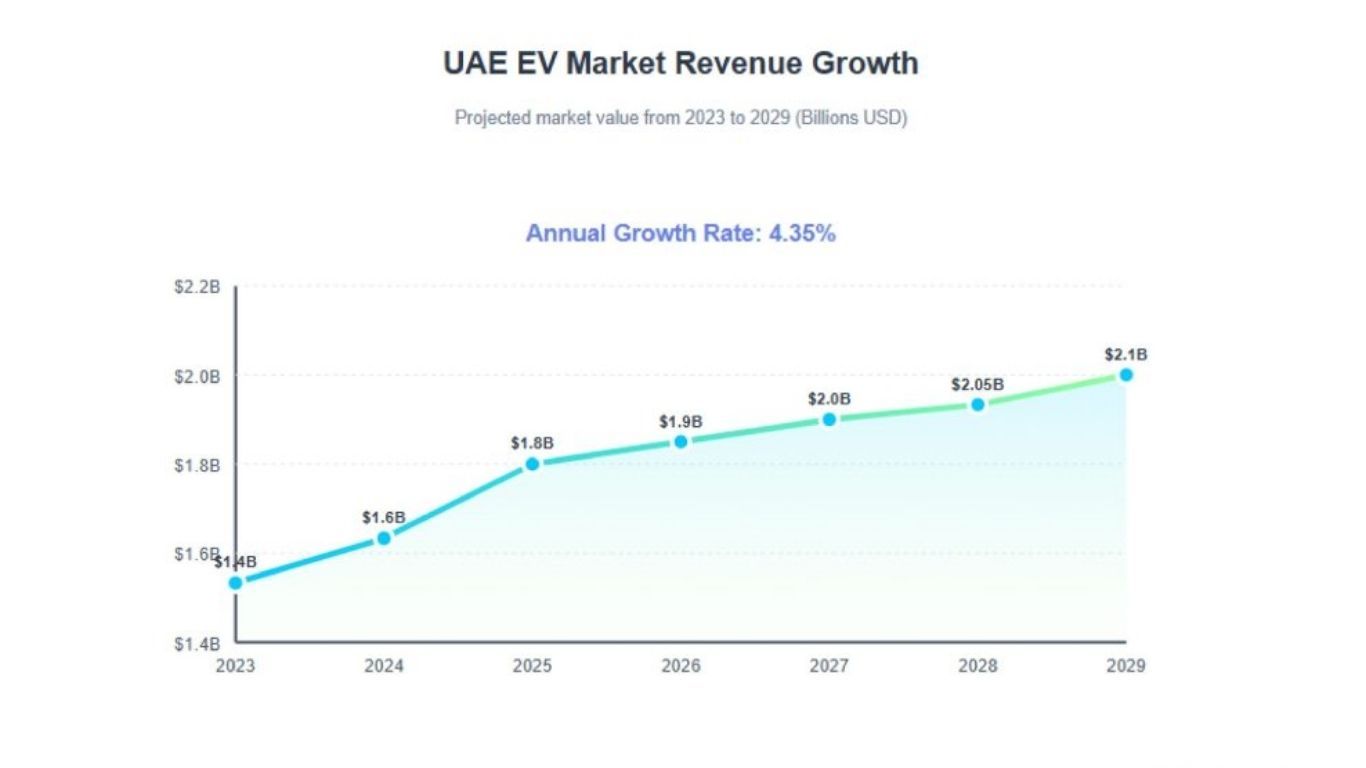
EV charging market projections show explosive growth: From USD 0.454B in 2025 to USD 1.43B by 2032 at 17.81% CAGR. Check this line chart on the UAE EV market revenue growth, projecting steady rises through 2029.
Government policies amplify this. The UAE aims for 25% electric/hybrid vehicles by 2030 and 50% EVs by 2050. Dubai's Green Mobility Strategy targets 30% government fleet as EV/hybrid by 2030, with taxis going 100% eco-friendly by 2027. Abu Dhabi's policy regulates EVSE ownership and pricing. These moves make EVs tempting, but hybrids are the low-risk entry point.
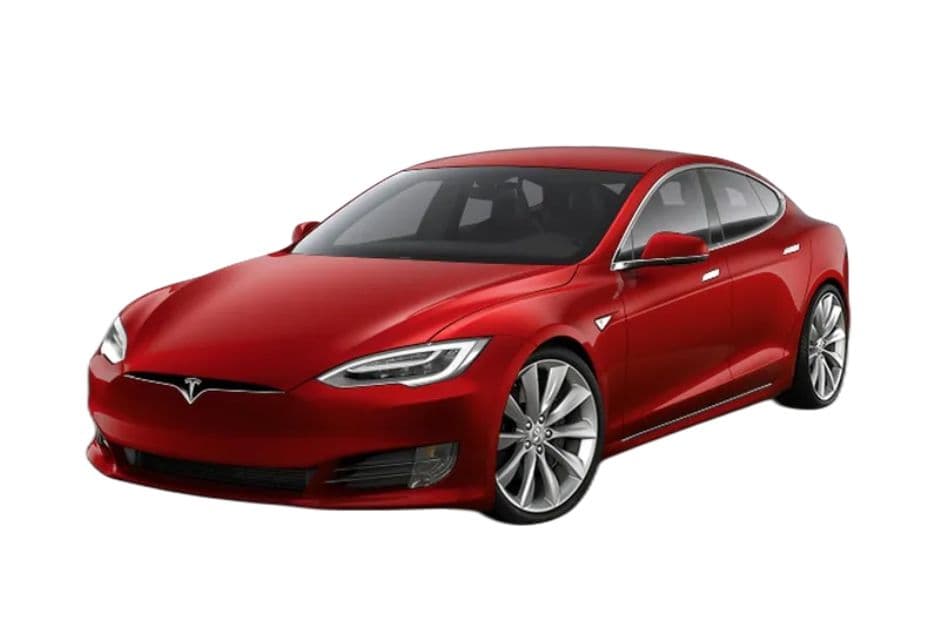
Facts paint the picture: Tesla holds 60% EV market share, with sales up 250% from 2022 to 2023. Overall, the Middle East auto market hits USD 119.85B in 2026, with EVs at 21.2% CAGR. Hybrids bridge the gap as infrastructure catches up.
Market Momentum and the Road Ahead: Hybrids Paving the Way
In 2026, the UAE auto scene is buzzing. EV market value: USD 780M in 2024, eyeing USD 1.25B by 2030 at 8.22% CAGR, led by HEVs (hybrid electric vehicles). Global hybrid market surges from USD 337.6B in 2026 to USD 2,367B by 2036 at 21.5% CAGR. Locally, the UAE ranks 8th globally in EV readiness.
Buyers favor hybrids for their "future-proof" vibe without full commitment. As one expert notes, "Hybrids are the top choice for most UAE drivers in 2026." Models like the Toyota Prius or Hyundai Tucson Hybrid dominate, offering efficiency in traffic and power on highways.
Looking ahead, 2026 could be EVs' breakout year with ultra-fast charging rollouts. Al-Futtaim plans 400km charges in 5 minutes by year-end. But until then, hybrids reduce emissions (20-35% better mileage) and support sustainability without sacrifices.
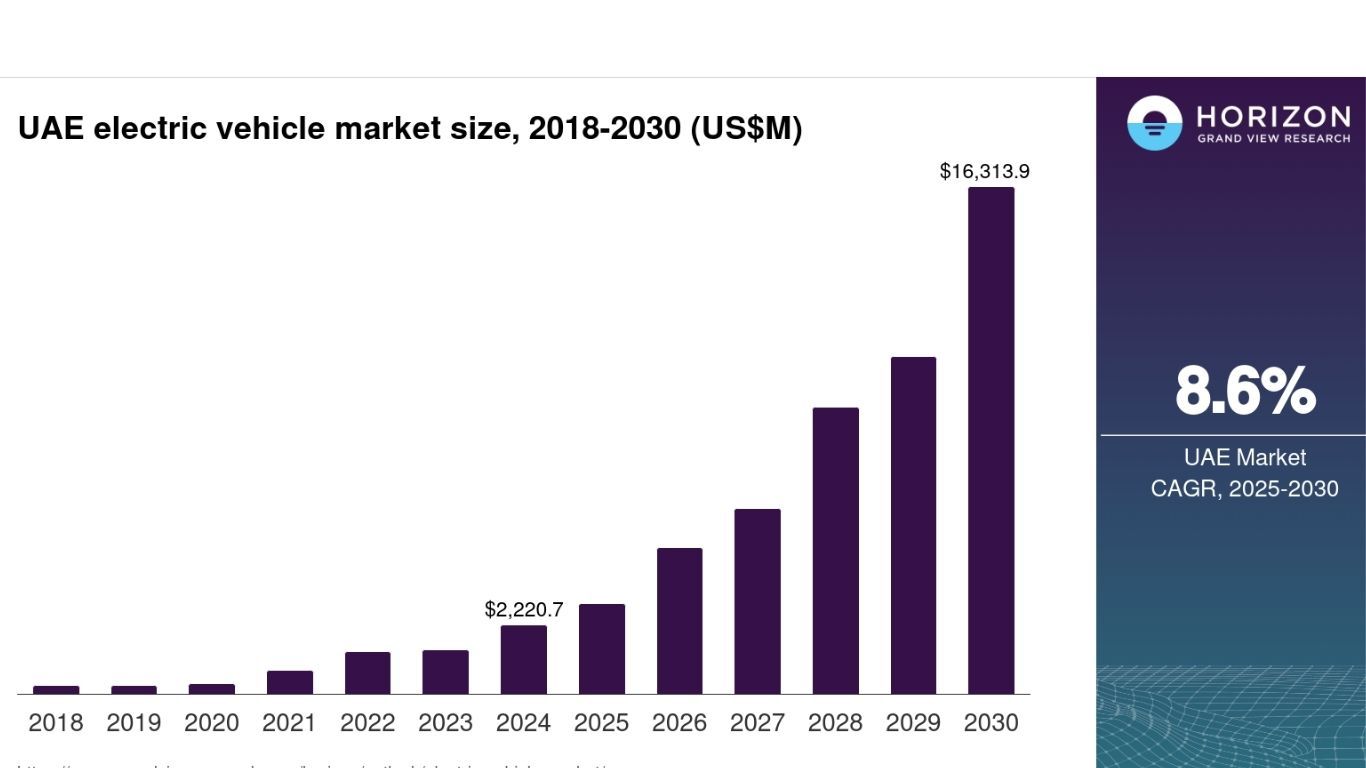
This bar chart illustrates the UAE EV market growth from 2018-2030, showing the upward trajectory hybrids are riding.
Conclusion
In essence, UAE buyers see hybrids as the sensible bridge. They align with government pushes like the National EV Policy while fitting daily life. If you're in Delhi, note the parallels hot climates demand practical green tech. Ready to hybrid up? It might just be your ticket to a smoother, greener drive in 2026 and beyond.
More Articles
Why Software Is Becoming More Important Than Horsepower in Modern Cars
Discover why software is transforming the automotive industry in 2026. Learn how AI, connected features, over-the-air updates, and software-defined vehicles are becoming more important than horsepower.
12-Aug-2026 01:12 PM
Most Fuel-Efficient SUVs Available in UAE Today: Top Picks for 2026
Discover the most fuel-efficient SUVs available in the UAE in 2026. Compare hybrid and petrol models including Toyota RAV4 Hybrid, Corolla Cross Hybrid, Nissan Kicks, Hyundai Creta, Kia Seltos, and more.
11-Aug-2026 12:58 PM
Honda CR-V Saudi Arabia: Why Thousands of Families Are Choosing It in 2026
The 2026 Honda CR-V combines spacious seating, advanced safety, efficient performance, and premium comfort, making it one of the most practical family SUVs available in Saudi Arabia.
28-Jul-2026 06:06 AM
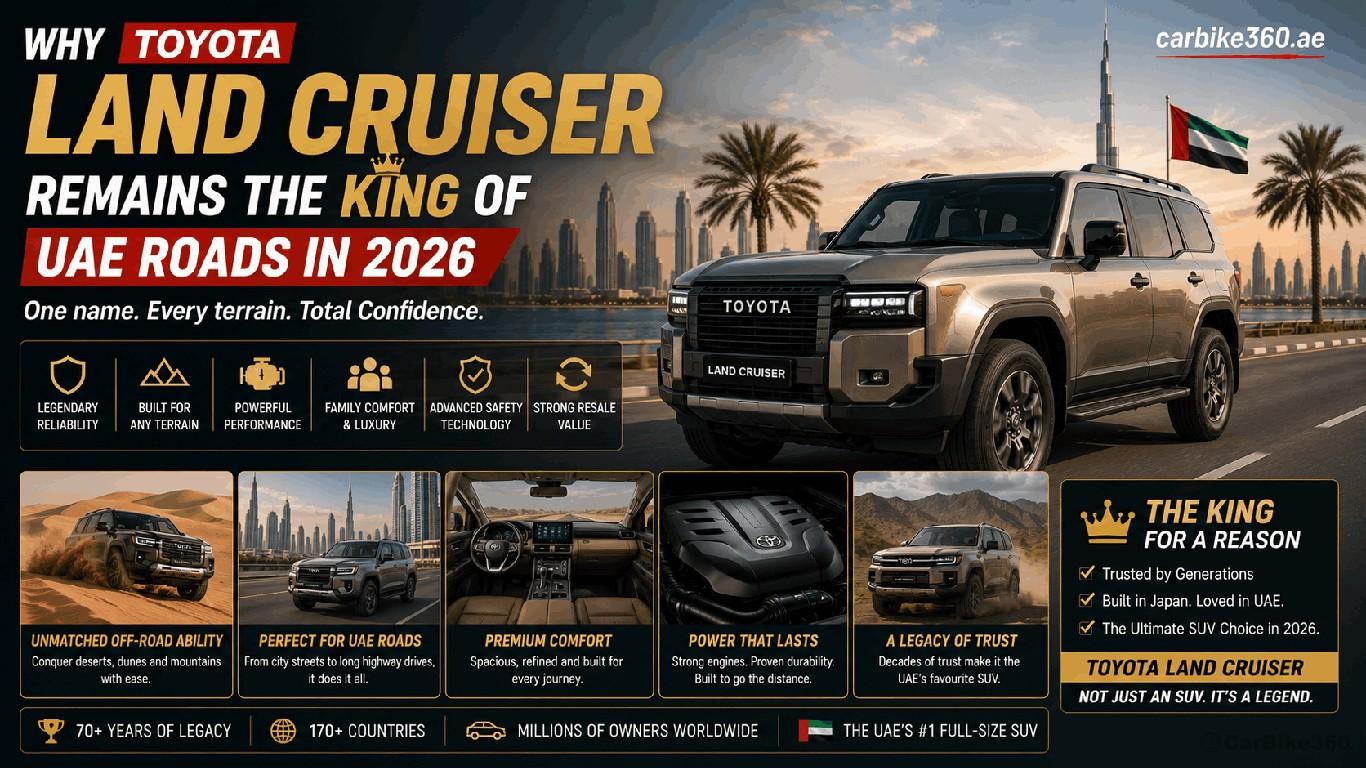
Why Toyota Land Cruiser Remains the King of UAE Roads in 2026
Discover why the Toyota Land Cruiser continues to dominate UAE roads in 2026. Explore its reliability, off-road capability, family-friendly features, resale value, and enduring popularity across the Emirates.
27-Jul-2026 09:54 AM
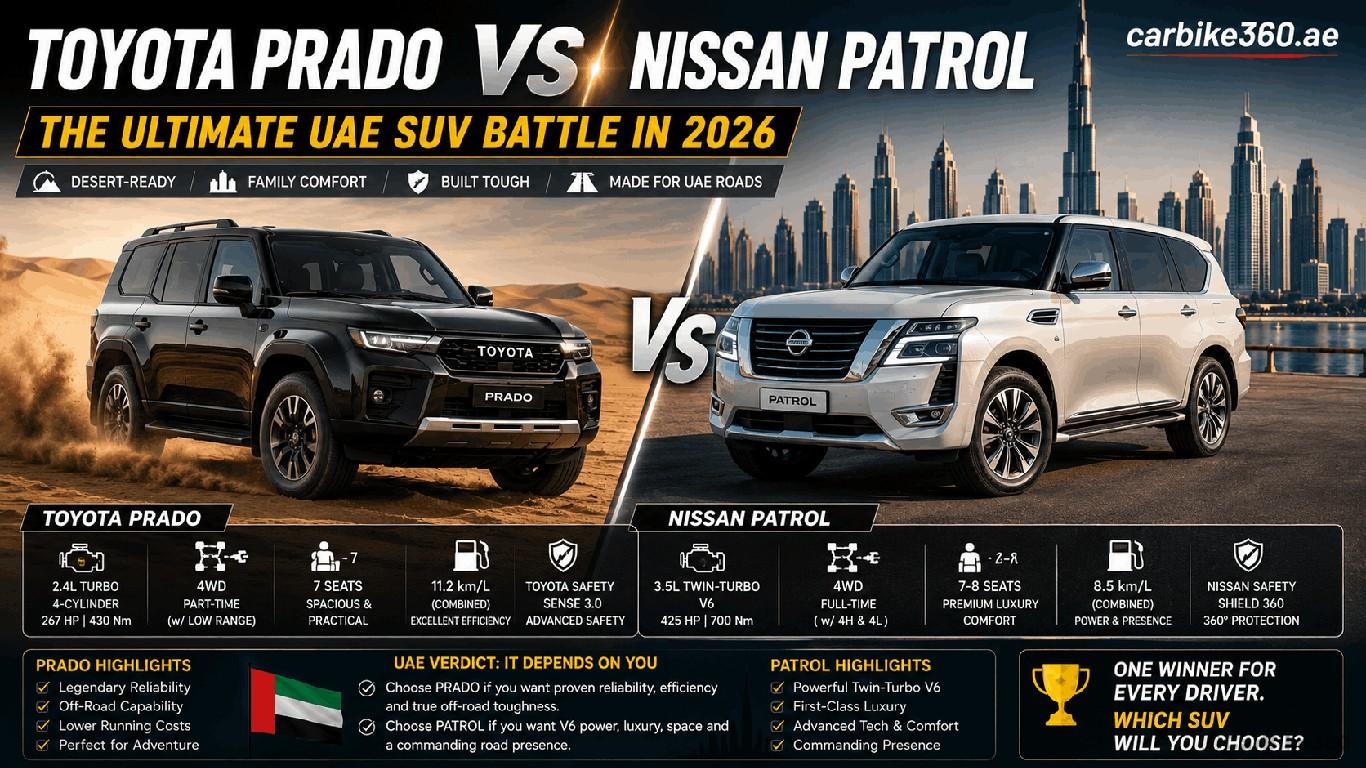
Toyota Prado vs Nissan Patrol: The Ultimate UAE SUV Battle in 2026
Toyota Prado or Nissan Patrol? Compare performance, off-road capability, luxury, fuel economy, resale value, and ownership costs to find the best SUV for UAE families in 2026.
24-Jul-2026 12:44 PM
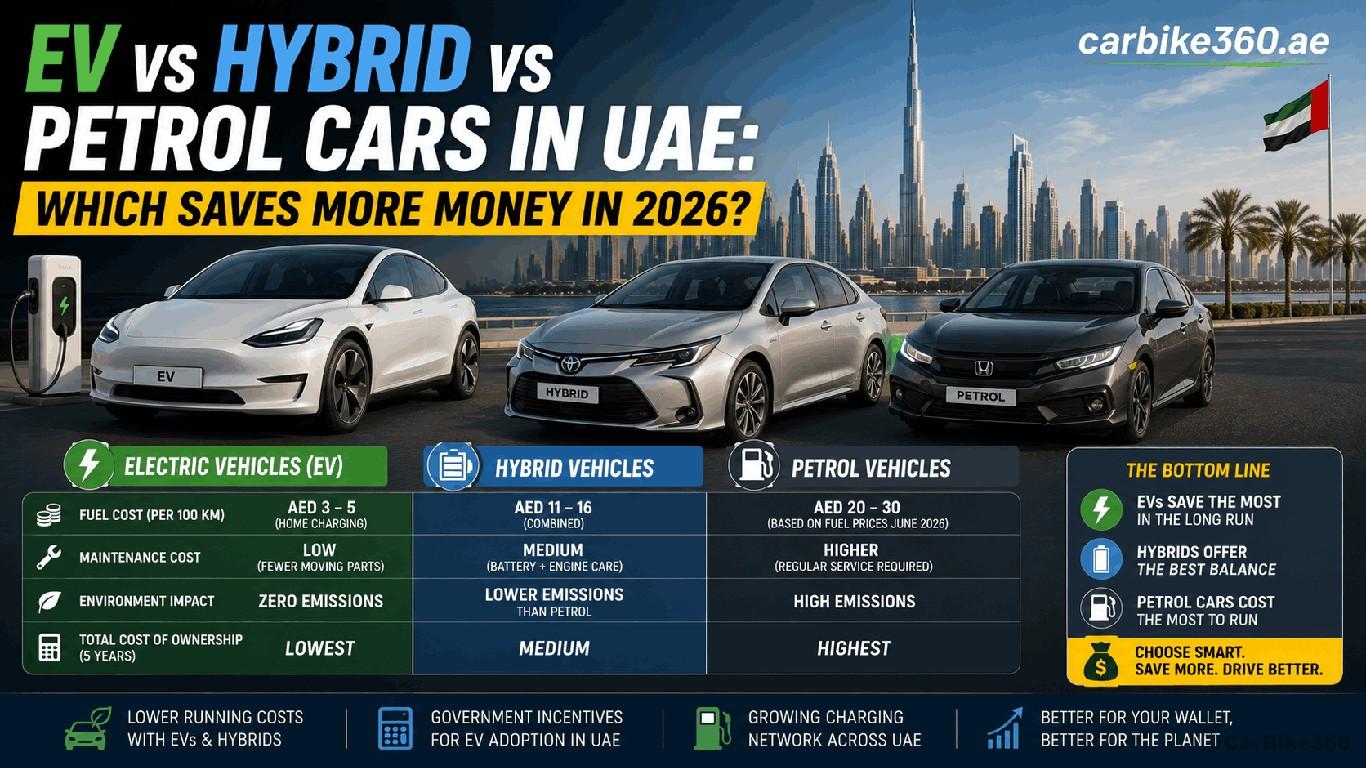
EV vs Hybrid vs Petrol Cars in UAE: Which Saves More Money in 2026?
Compare EVs, hybrids, and petrol cars in the UAE. Discover which vehicle type offers the lowest running costs, best fuel savings, maintenance benefits, and long-term value in 2026.
21-Jul-2026 01:37 PM









Join Carbike360
Get Trending Updates


UAE’s Fastest Growing Vehicle Marketplace