Dubai’s Flying Taxi Future Is Closer Than You Think: How Air Taxis Could Transform Travel in the UAE





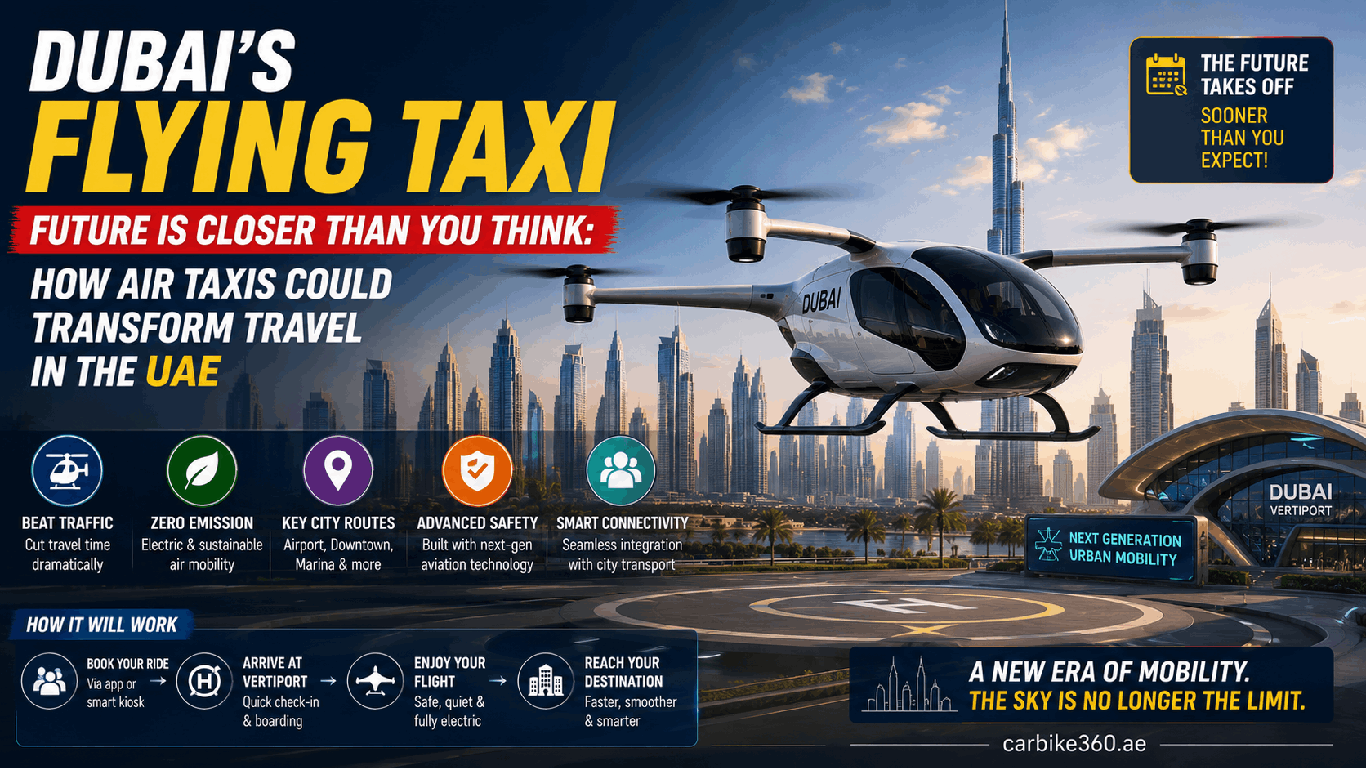
Dubai’s Flying Taxi Revolution Is Almost Here: How Air Taxis Could Transform Everyday Travel Sooner Than Expected
Key Highlights
- Dubai is actively preparing for commercial flying taxi operations as part of its future mobility strategy.
- The city aims to reduce travel times dramatically by introducing electric air taxis for urban transportation.
- Vertiports are being developed at key locations across Dubai, including major business and tourism hubs.
- Flying taxis are expected to offer a sustainable, zero-emission transportation solution.
- Industry leaders and aviation technology companies are accelerating efforts to make commercial air mobility a reality.
The Future of Transportation in Dubai Is Taking Off
For years, flying taxis felt like something straight out of a science-fiction movie. Today, however, that future is rapidly moving closer to reality—and Dubai is positioning itself at the forefront of the global urban air mobility revolution.
Known for pioneering futuristic transportation projects, the emirate is actively laying the groundwork for a network of electric flying taxis that could eventually transport passengers above city traffic, significantly reducing travel times between key destinations.
While most cities around the world are still exploring the concept, Dubai is already working with leading aviation innovators, regulators, and infrastructure developers to turn flying taxis into a practical mode of transportation.
If current plans continue progressing as expected, residents and visitors may soon witness a new era of mobility unlike anything seen before in the region.
What Exactly Is a Flying Taxi?
Flying taxis are electric vertical take-off and landing aircraft, commonly referred to as eVTOLs.
Unlike traditional helicopters, these next-generation aircraft are designed to be quieter, more energy efficient, and environmentally friendly. They can take off and land vertically, eliminating the need for long runways and making them suitable for urban environments.
Most flying taxi designs feature multiple electric rotors, advanced autonomous technologies, and passenger cabins intended for short-to-medium-distance city travel.
Their primary objective is simple: reduce congestion by utilizing the airspace above busy roads.
Why Dubai Is Betting Big on Air Mobility
Dubai has long embraced innovation as part of its economic and urban development strategy.
From autonomous transport initiatives to smart city projects and advanced public transportation systems, the emirate consistently invests in technologies that improve efficiency and quality of life.
Flying taxis align perfectly with several of Dubai's long-term objectives:
Reducing Traffic Congestion
As the city's population continues to grow, traffic management remains a major priority. Air taxis could help reduce pressure on key road corridors by providing alternative transportation options.
Faster Travel Times
One of the biggest advantages of flying taxis is speed.
A journey that may take 40 to 50 minutes during peak traffic could potentially be reduced to just 10 to 15 minutes via air mobility solutions.
Supporting Sustainability Goals
Most planned flying taxi platforms use electric propulsion systems, contributing to lower emissions and supporting Dubai's sustainability ambitions.
Enhancing Tourism
Dubai attracts millions of international visitors annually. Flying taxis could eventually become a premium transportation option connecting airports, hotels, business districts, and tourist attractions.
Where Could Flying Taxis Operate?
The first phase of operations is expected to focus on strategically important locations across Dubai.
Potential routes could connect:
| Route Example | Potential Benefit |
|---|---|
| Dubai International Airport to Downtown Dubai | Faster visitor transfers |
| Downtown Dubai to Dubai Marina | Reduced travel times |
| Palm Jumeirah to Business Bay | Convenient premium mobility |
| Dubai Marina to Airport Hubs | Improved connectivity |
| Major Tourism Zones | Enhanced visitor experience |
To support these operations, specialized facilities known as vertiports are being developed.
These vertiports will serve as dedicated take-off, landing, charging, and passenger-processing hubs for air taxis.
The Technology Behind Dubai's Flying Taxis
Modern eVTOL aircraft combine several cutting-edge technologies.
Electric Propulsion
Electric motors power multiple rotors, reducing emissions while improving efficiency.
Advanced Safety Systems
Redundant flight systems and multiple backup components are designed to enhance operational safety.
Autonomous Capabilities
Although initial operations may include pilots, future generations could incorporate increasing levels of autonomous flight technology.
Smart Connectivity
Flying taxis will likely integrate with broader transportation networks, enabling seamless multimodal travel across the city.
Challenges That Still Need to Be Solved
Despite the excitement surrounding urban air mobility, several challenges remain before large-scale deployment becomes common.
Regulatory Approval
Aviation authorities must establish comprehensive safety frameworks governing operations, maintenance, and air traffic management.
Infrastructure Development
Vertiports, charging systems, maintenance facilities, and digital traffic management networks must be built and integrated.
Public Acceptance
Passengers will need confidence in both the safety and reliability of flying taxi services before widespread adoption occurs.
Cost Considerations
Initial pricing is expected to target premium users before becoming more accessible as technology matures and operations scale up.
How Flying Taxis Could Change Daily Life in Dubai
The long-term impact of urban air mobility could extend far beyond transportation.
Professionals may be able to travel between business districts in minutes. Tourists could experience aerial sightseeing while moving between destinations. Airport transfers may become significantly faster, and emergency response services could benefit from quicker mobility solutions.
As infrastructure expands and operational costs decline, flying taxis could gradually become a practical transportation option for a broader segment of the population.
Dubai's Role in the Global Mobility Race
Cities across North America, Europe, and Asia are actively exploring urban air mobility solutions. However, Dubai's willingness to embrace innovation and accelerate implementation places it among the leading contenders in the race toward commercial flying taxi adoption.
The emirate's existing reputation as a testing ground for future transportation technologies makes it an ideal environment for launching next-generation mobility services.
By combining regulatory support, infrastructure investment, and technological partnerships, Dubai is positioning itself as a potential global benchmark for urban air transportation.
Final Verdict
Flying taxis are no longer just a futuristic concept—they are rapidly becoming a tangible part of Dubai's transportation vision.
While challenges related to infrastructure, regulation, and public adoption remain, significant progress has already been made toward bringing urban air mobility to the emirate. With dedicated vertiports, electric aircraft technology, and strong government support, the dream of soaring above traffic may arrive much sooner than many people expect.
For a city known for turning ambitious ideas into reality, Dubai's flying taxi future appears closer than ever—and it could redefine how residents and visitors move around the city in the years ahead.
More Articles

Why Software Is Becoming More Important Than Horsepower in Modern Cars
Discover why software is transforming the automotive industry in 2026. Learn how AI, connected features, over-the-air updates, and software-defined vehicles are becoming more important than horsepower.
12-Aug-2026 01:12 PM

Most Fuel-Efficient SUVs Available in UAE Today: Top Picks for 2026
Discover the most fuel-efficient SUVs available in the UAE in 2026. Compare hybrid and petrol models including Toyota RAV4 Hybrid, Corolla Cross Hybrid, Nissan Kicks, Hyundai Creta, Kia Seltos, and more.
11-Aug-2026 12:58 PM
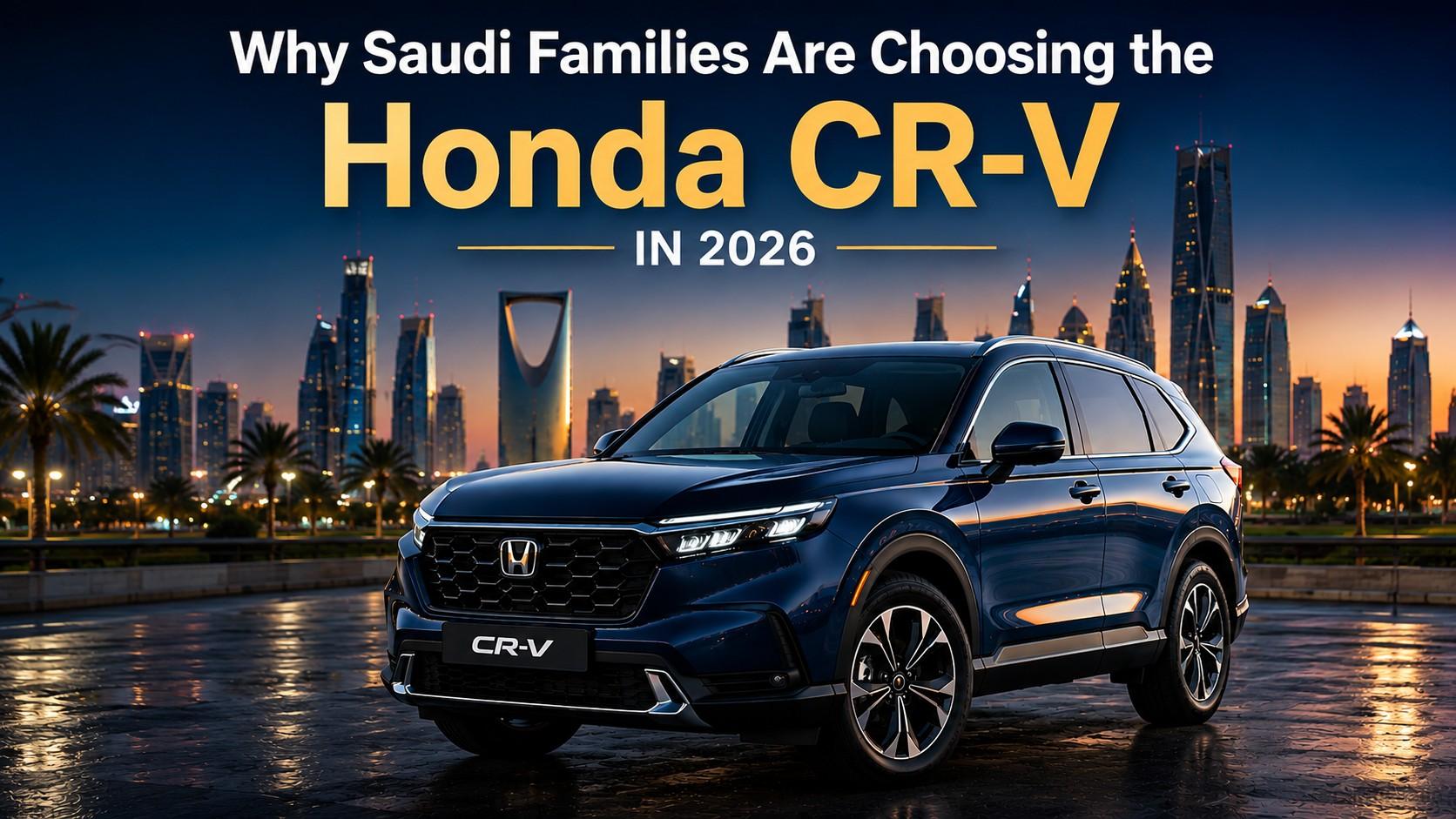
Honda CR-V Saudi Arabia: Why Thousands of Families Are Choosing It in 2026
The 2026 Honda CR-V combines spacious seating, advanced safety, efficient performance, and premium comfort, making it one of the most practical family SUVs available in Saudi Arabia.
28-Jul-2026 06:06 AM
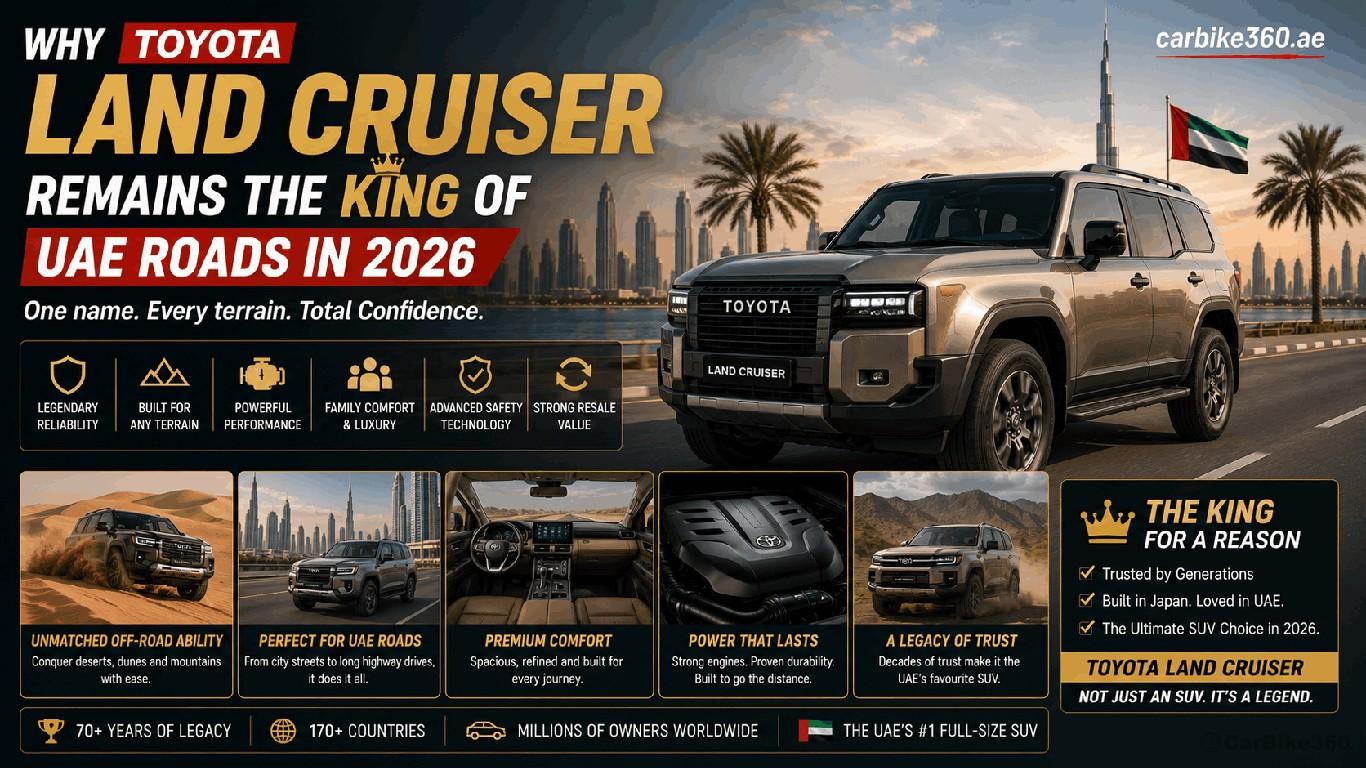
Why Toyota Land Cruiser Remains the King of UAE Roads in 2026
Discover why the Toyota Land Cruiser continues to dominate UAE roads in 2026. Explore its reliability, off-road capability, family-friendly features, resale value, and enduring popularity across the Emirates.
27-Jul-2026 09:54 AM
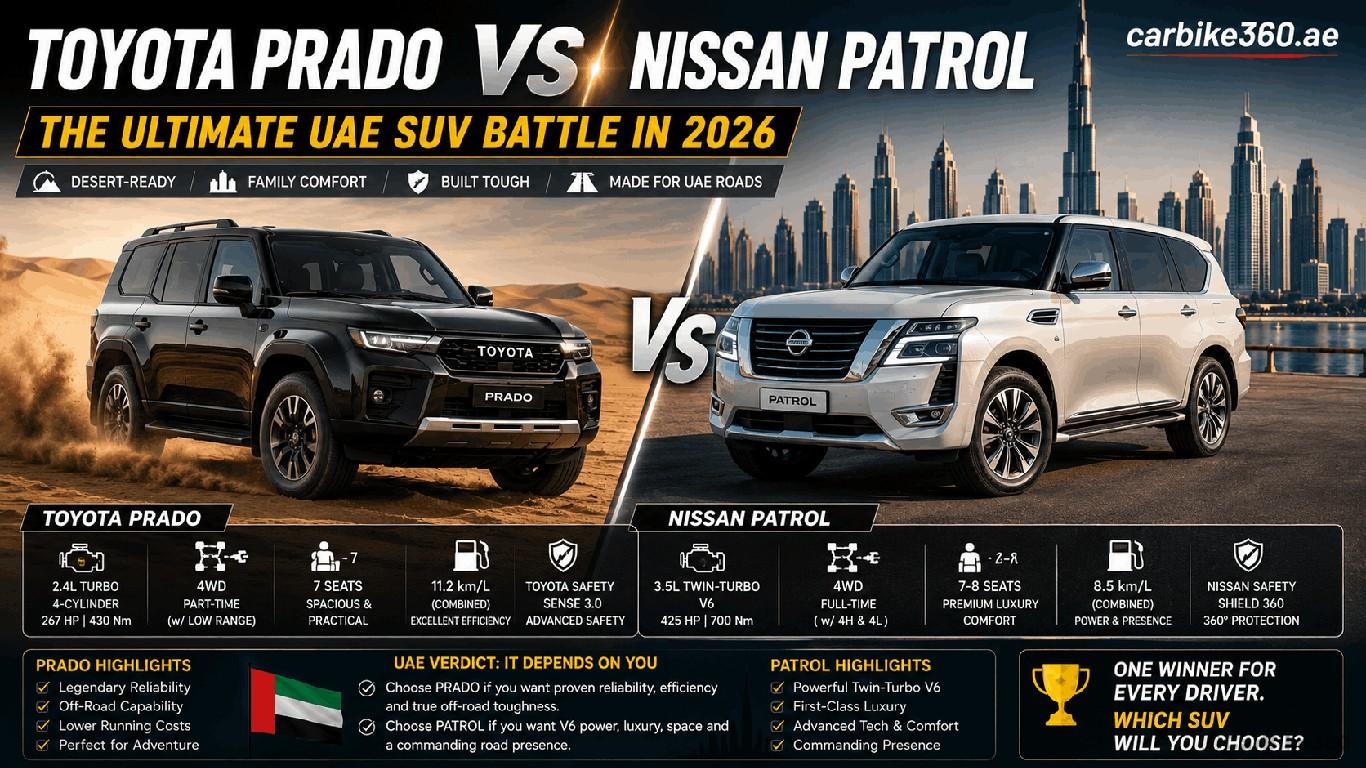
Toyota Prado vs Nissan Patrol: The Ultimate UAE SUV Battle in 2026
Toyota Prado or Nissan Patrol? Compare performance, off-road capability, luxury, fuel economy, resale value, and ownership costs to find the best SUV for UAE families in 2026.
24-Jul-2026 12:44 PM
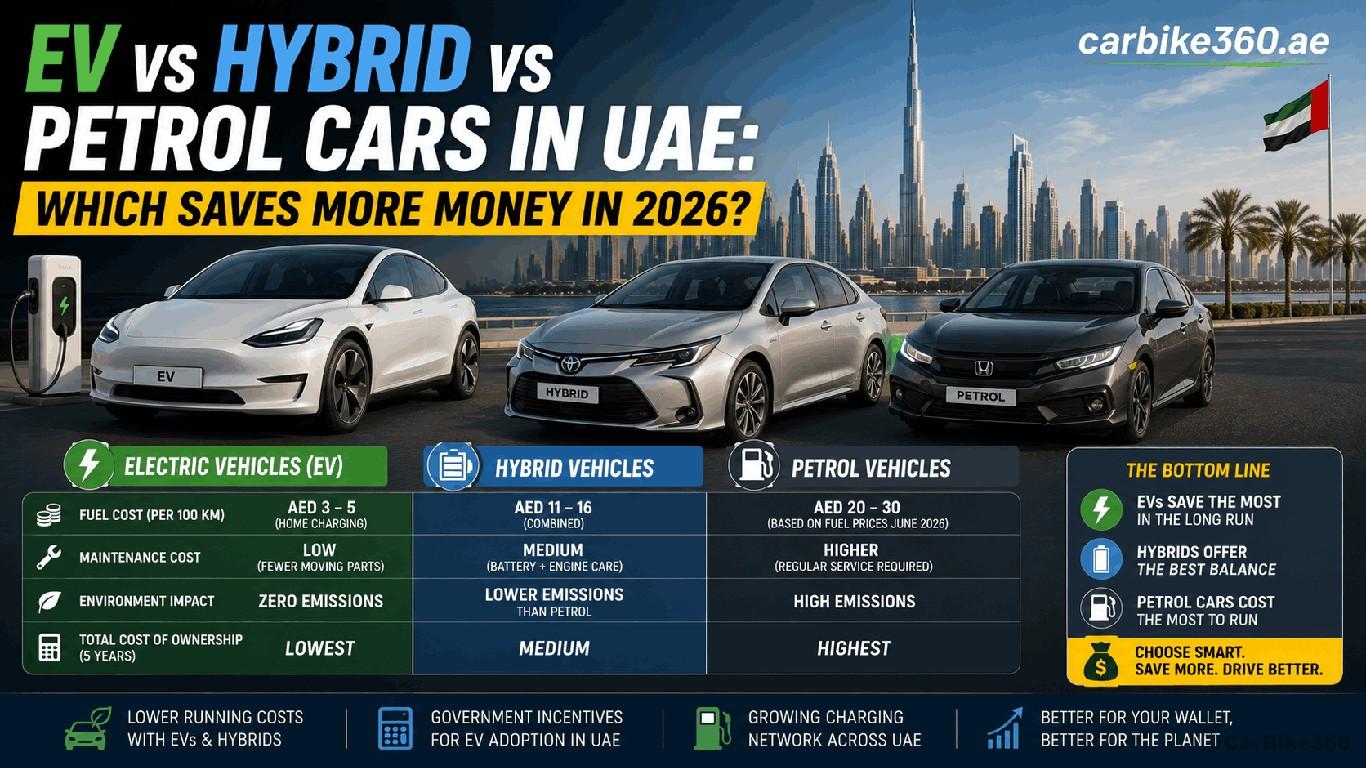
EV vs Hybrid vs Petrol Cars in UAE: Which Saves More Money in 2026?
Compare EVs, hybrids, and petrol cars in the UAE. Discover which vehicle type offers the lowest running costs, best fuel savings, maintenance benefits, and long-term value in 2026.
21-Jul-2026 01:37 PM









Join Carbike360
Get Trending Updates


UAE’s Fastest Growing Vehicle Marketplace