Essential Tyre Problems Every Driver Should Know About






Key Highlights
-
Proper tyre maintenance is essential for vehicle safety and performance.
-
Regularly check tyre pressure and tread depth to prevent issues.
-
Over-inflated or under-inflated tyres can lead to safety hazards and increased wear.
-
Tyre wear and damage can result from factors like age, improper alignment, and harsh driving.
-
Slow down on rough surfaces and avoid hard braking to extend tyre life.
Tyres are a vital part of any vehicle, as they convert horsepower into motion, making them essential for a car’s performance. While people often invest heavily in buying their cars, they sometimes overlook the importance of tyres, which can lead to various issues that may leave them stranded on the road.
To minimise risks and prevent mishaps, it's crucial to understand the common tyre issues drivers face worldwide. But before diving into that, let's learn a bit more about our essential yet often overlooked component—the tyre.
Humble but complex in its making

Modern tyres are produced using advanced methods, complex chemistry, cutting-edge machinery, and millions invested in research and development. According to Dunlop, making a road-legal tyre can require up to 30 types of rubber, both organic and inorganic.
These materials are blended with chemical agents in specialized mixers, resulting in a hot, elastic black substance. Once cooled, it’s cut into rubber strips. Next, a machine assembles components like steel, ply, beads, and treads. Finally, these parts are compressed in a hot mold under high pressure, forming the tyre’s familiar round shape.
Common problems affecting tyres
1. Over-inflated or under-inflated tyres

Depending on the tyre type and its intended use, manufacturers provide recommended air pressure guidelines. Exceeding these recommendations can lead to over-inflated tyres, which can cause several significant problems such as:
- Decreased grip due to a smaller contact area
- Shorter tyre lifespan from added stress
- Uneven and early tyre wear
- Less control on wet roads
On the other hand, under-inflated tyres bring along several problems, such as:
- Increased friction, resulting in higher fuel costs
- Shortened lifespan of both the suspension and tyres
- Early wear from an expanded contact patch
- Slower steering response
- Greater handling challenges, leading to understeer or oversteer
- Higher risk of sidewall damage, which can cause a blowout
- Larger contact patch increases the chances of punctures
2. Bulging or cracking
Tyres can get damaged when they hit a curb, pothole, or an object on the road. These impacts can be serious enough to harm the sidewall, making it unrepairable. This damage can lead to air leaking from inside the tyre, resulting in visible 'bubbles' on the surface.
Conversely, tyre cracking can occur due to factors like:
- Rubber polymers deteriorating as the tyre ages
- Prolonged periods of inactivity (e.g., when the vehicle is parked for a long time)
- Frequent temperature changes during normal use
- Continuous exposure to UV rays
- Extended contact with water
3. Flat spot
Although not a frequent issue, tyres can develop a flat spot. This occurs when a part of the tyre becomes worn down flat instead of maintaining a smooth curve. It usually happens when brakes are suddenly applied, causing excessive wear on the rubber in one spot. Flat spots are more likely to occur in vehicles that lack anti-lock brakes.
4. Wheel alignment

A vehicle's wheel alignment and suspension are closely connected, but poor alignment can quickly damage tyres. When wheels are misaligned, they can pull the tyre (and the vehicle) to one side, leading to premature tyre wear and potential damage to the suspension.
5. Worn-out tread
A road-legal tyre is only effective as long as it has sufficient tread. When the tread on a typical passenger car tyre falls below 1 mm, it becomes unsafe for use on the road. Tread naturally wears down over time with regular driving, but excessive high-speed braking, frequent stop-and-go movements, and aggressive handling can cause it to wear out more quickly.
Safe practices and managing your tyres
If you own an older vehicle, make sure to inspect your tyres regularly. Even with new tyres, the age of the vehicle can create wear and tear patterns that differ from those on newer cars. Older tyres require extra attention, as they may have faced various challenges like those previously mentioned, making them prone to sudden failure if not checked and addressed early.
One of the most common issues for drivers is improper tyre pressure, so ensure your tyres are inflated to the correct pressure as recommended by the manufacturer. Also, make sure to purchase tyres that are compatible with your vehicle and its wheels.
To reduce tyre wear, avoid hard accelerations and unnecessary braking whenever possible. Although both might be needed for safe driving in certain situations, it's better to be gentle with your vehicle. Similarly, slow down when driving over rough or uneven surfaces. Doing so will not only make your ride smoother but also help prolong the life of your tyres.

Whether you're driving a tough Toyota SUV or a stylish Mercedes-Benz luxury sedan, there are a few important things to remember. Before starting any trip, whether it's short or long, make sure to check your tyres and confirm they have the correct pressure. If you notice any signs of trouble, have your tyres inspected by a professional right away.
Verdict
Maintaining your tyres is crucial for both safety and vehicle performance. Regularly checking tyre pressure, monitoring for wear, and addressing any issues promptly can prevent costly repairs and ensure a smoother, safer driving experience. Whether you drive a compact car or an SUV, proper tyre care is essential for extending their lifespan and improving fuel efficiency.
Also Read: 225 Vs 235 Tires: Which Size Is Better For Your Car?
More Articles

Why Software Is Becoming More Important Than Horsepower in Modern Cars
Discover why software is transforming the automotive industry in 2026. Learn how AI, connected features, over-the-air updates, and software-defined vehicles are becoming more important than horsepower.
12-Aug-2026 01:12 PM
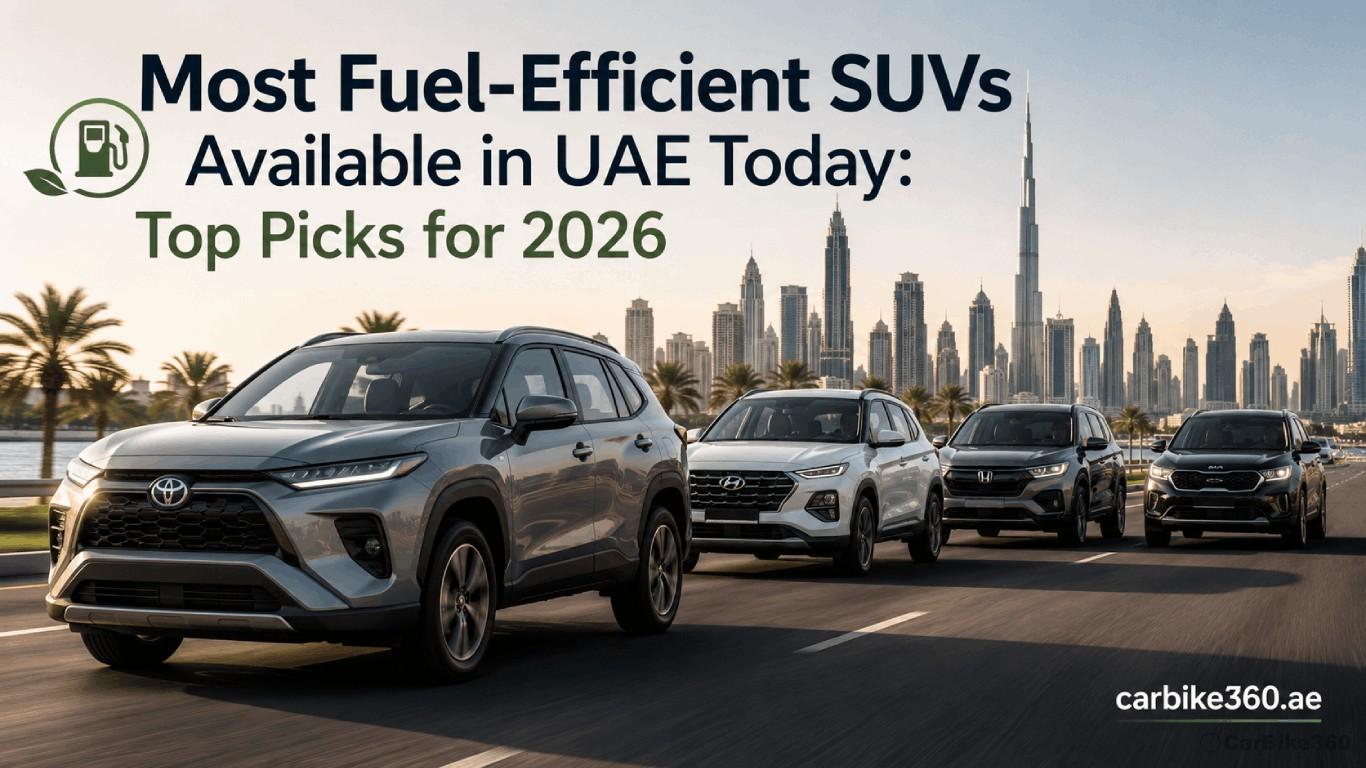
Most Fuel-Efficient SUVs Available in UAE Today: Top Picks for 2026
Discover the most fuel-efficient SUVs available in the UAE in 2026. Compare hybrid and petrol models including Toyota RAV4 Hybrid, Corolla Cross Hybrid, Nissan Kicks, Hyundai Creta, Kia Seltos, and more.
11-Aug-2026 12:58 PM

Honda CR-V Saudi Arabia: Why Thousands of Families Are Choosing It in 2026
The 2026 Honda CR-V combines spacious seating, advanced safety, efficient performance, and premium comfort, making it one of the most practical family SUVs available in Saudi Arabia.
28-Jul-2026 06:06 AM
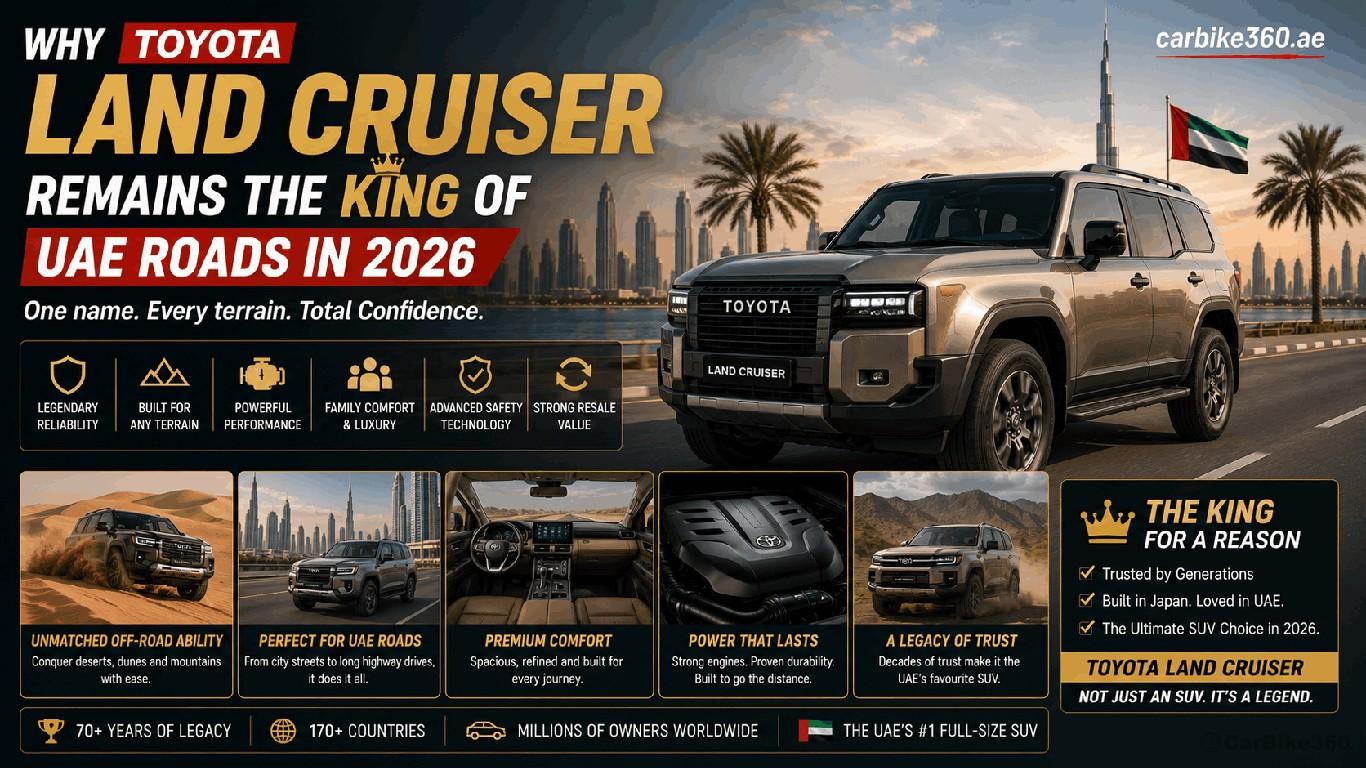
Why Toyota Land Cruiser Remains the King of UAE Roads in 2026
Discover why the Toyota Land Cruiser continues to dominate UAE roads in 2026. Explore its reliability, off-road capability, family-friendly features, resale value, and enduring popularity across the Emirates.
27-Jul-2026 09:54 AM

Toyota Prado vs Nissan Patrol: The Ultimate UAE SUV Battle in 2026
Toyota Prado or Nissan Patrol? Compare performance, off-road capability, luxury, fuel economy, resale value, and ownership costs to find the best SUV for UAE families in 2026.
24-Jul-2026 12:44 PM
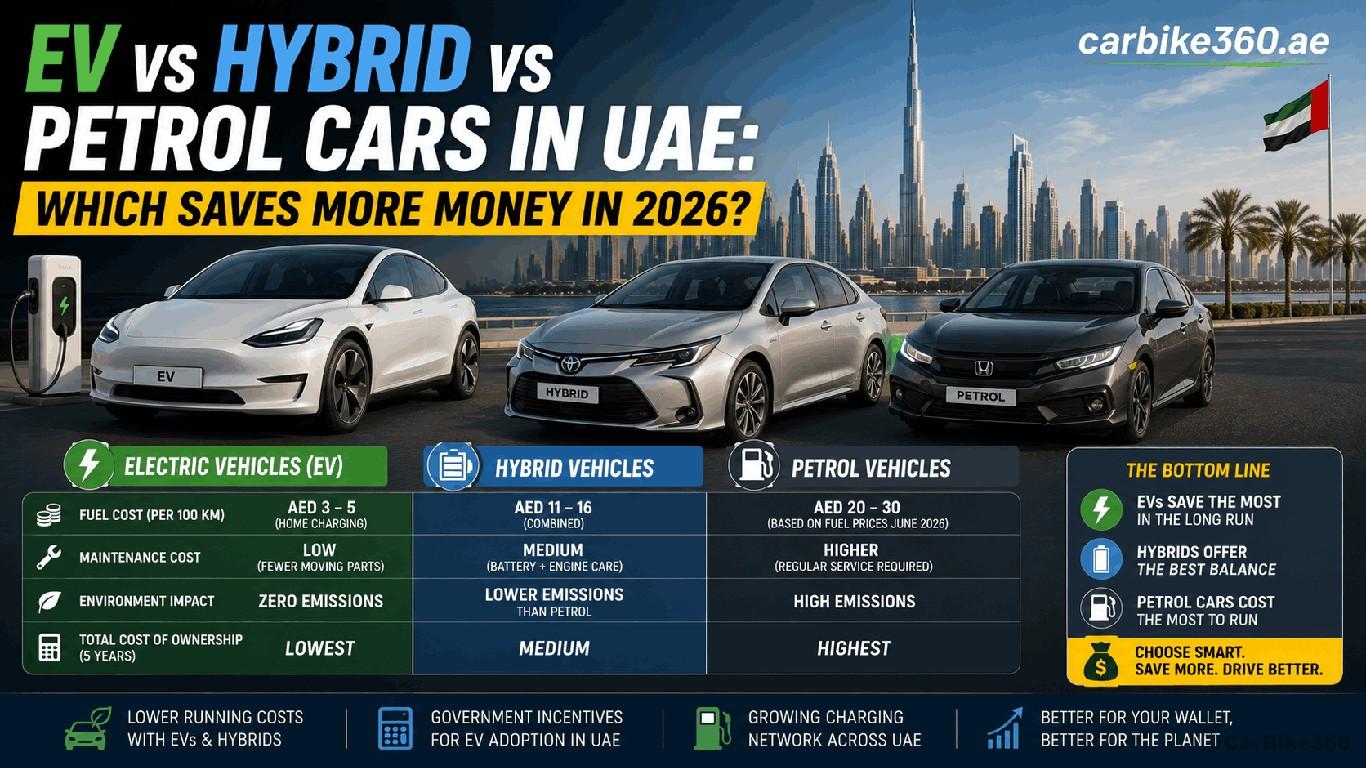
EV vs Hybrid vs Petrol Cars in UAE: Which Saves More Money in 2026?
Compare EVs, hybrids, and petrol cars in the UAE. Discover which vehicle type offers the lowest running costs, best fuel savings, maintenance benefits, and long-term value in 2026.
21-Jul-2026 01:37 PM











Join Carbike360
Get Trending Updates


UAE’s Fastest Growing Vehicle Marketplace