Coping With Flood Damage To Your Vehicle: A Step-by-Step Guide For Recovery






Key Highlights
-
Avoid starting the engine to prevent potential internal damage if water has entered.
-
Consult a mechanic for a professional assessment of the damage and available repair options.
-
Be cautious of hidden damage, as flood-related issues may not be immediately apparent and could surface later.
-
Prioritize safety, document all relevant details, and collaborate closely with your insurance provider.
-
Consider all repair options and make informed decisions about the future of your car.
-
Vigilance and thoroughness are crucial due to the potential hidden repercussions of flood damage.
Floods can cause widespread destruction, often affecting our vehicles. Floodwater can damage a car's electrical system, engine, interior, and other components. If your car has been flooded, there's no need to panic. Here's a detailed guide to assist you in managing the aftermath, one step at a time.
Damages Caused By Floods On A Car
Floodwater poses multiple risks to your vehicle, such as:
-
Electrical System Issues: Water exposure can harm electrical parts, resulting in malfunctions ranging from lighting to engine control units.
-
Engine Complications: Floodwater infiltration through intake or exhaust may induce internal corrosion and potentially seize the engine.
-
Interior Deterioration: Carpets, upholstery, and other interior elements can sustain water damage, fostering mold growth and emitting a stale odor.
-
Rust Development: Floodwater can expedite rusting on metal components, compromising the vehicle's structural integrity.
Initial Steps In Recovering A Flood Damaged Car
Safety First:
Before you attempt to reach your flooded vehicle, confirm that the floodwaters have fully subsided. Refrain from walking through floodwater as it may pose electrical risks.
Document the Damage:
Capture images and videos showcasing the flood damage sustained by your vehicle. These visual records will prove beneficial when submitting an insurance claim.
Move The Car (if possible):
Once the floodwaters have withdrawn and conditions permit, relocate your vehicle to a dry and secure area. Under no circumstances should you attempt to start the engine.
Disconnect the Battery:
To mitigate the risk of electrical shorts, disconnect the car's battery by loosening and removing the negative terminal connector initially.
Call Your Insurance Company:
Notify your insurance provider promptly to report the damage and seek guidance on the claims procedure.
Inspecting Damage

After securing the vehicle in a safe area, commence the inspection of the damage. Here's what to examine:
Interior Inspection:
- Inspect for water stains, mold formation, and a damp smell.
- Lift floor mats and carpets to scrutinize for concealed water damage beneath the seats and throughout the interior.
- Examine the dashboard, door panels, and headliner for indications of water damage.
- Evaluate visible electrical components for signs of damage or corrosion.
Exterior Inspection:

- Search for indications of water damage on the exterior, including the body, doors, windows, and trunk.
- Examine for rust development on the body panels, especially at the lower sections of doors, fenders, and the undercarriage.
- Inspect headlights, taillights, and turn signals for watermarks.
Electrical System Inspection:

- Do not try to initiate the engine.
- Raise the hood and search for indications of water entry, like a watermark on the engine block or air intake elements.
- Inspect for any loose or disconnected electrical wires or components.
Drying The Car & Expose it to Sunlight
- Open every door and window: Enable thorough ventilation and airflow to facilitate drying.
- Take out floor mats and carpets: Allow them to air-dry fully in a well-ventilated space, ideally under direct sunlight.
- Vacuum and tidy the interior: Eliminate any dirt, debris, or mud remnants left by the floodwater.
- For substantial flood damage, contemplate employing professional cleaning and deodorization services to eradicate residual moisture, mold, and odors from the interior.
Replacing Fluid and Filters
Floodwater has the potential to contaminate engine oil, transmission fluid, differential fluid, and brake fluid. It's essential to replace all fluids with fresh ones to avert additional harm to the engine, transmission, and braking system.
Additionally, floodwater may obstruct air filters. Substituting the air filter with a new one guarantees that clean air reaches the engine.
Flood-damaged car Insurance

Carefully review the details of your insurance policy, including coverage limits, deductibles (the upfront payment), and any exclusions about particular flood occurrences. Following a flood, prioritize safety, document the damage, and initiate a claim with your insurance provider. They will evaluate the extent of the damage and proceed with repairs or declare the vehicle a total loss.
It's advisable to consider comprehensive insurance for added peace of mind. Regularly assess your policy to ensure it aligns with your current requirements. Some insurers may offer additional flood-specific coverage as an optional extra. By staying prepared, you can navigate flood situations with greater confidence.
Selling or Keeping Flood-Damaged Cars

Selling:
If your vehicle is deemed a total loss, your insurance company will provide you with a cash settlement. You have the option to sell the car for salvage or scrap. Salvage yards often purchase flood-damaged cars for spare parts, while scrap yards buy them based on weight, offering compensation for the vehicle's metal components.
Keeping:
If the damage is fixable and the car holds sentimental significance, you might opt to retain it post-repairs. Yet, be mindful of potential long-term concerns:
Persistent Electrical Issues: Flood damage may trigger concealed electrical issues that could emerge later, resulting in operational glitches and maintenance needs.
Rust Challenges: Exposure to floodwater expedites rust development, posing a threat to the vehicle's structural integrity and safety in the future.
Other Important Pointers
-
Refrain from initiating the engine, as this action could result in substantial internal damage if water has infiltrated the engine.
-
Seek guidance from a qualified mechanic for a thorough evaluation of the damage and available repair solutions.
-
Exercise caution regarding concealed damage, as flood-related issues may not be entirely detectable at first and could manifest later.
Managing a flood-damaged vehicle can be daunting, but adhering to these steps will provide you with the necessary information to navigate the situation efficiently. Prioritize safety, document all relevant details, and collaborate closely with your insurance provider to make informed choices regarding the future of your car.
Verdict
Navigating a flood-damaged vehicle can be a challenging experience, but by following the outlined steps, you can approach the situation with confidence. Remember, prioritizing safety, seeking professional assessment, and documenting everything are key aspects of managing the aftermath effectively.
By working closely with your insurance company and considering all repair options, you can make informed decisions about the future of your car. Keep in mind that flood damage may have hidden repercussions, so vigilance and thoroughness are essential. With these measures in place, you'll be better equipped to handle the complexities of dealing with a flood-damaged vehicle.
Also Read: Enzo Ferrari: The Figure Behind the Creation of Ferrari
More Articles

Why Software Is Becoming More Important Than Horsepower in Modern Cars
Discover why software is transforming the automotive industry in 2026. Learn how AI, connected features, over-the-air updates, and software-defined vehicles are becoming more important than horsepower.
12-Aug-2026 01:12 PM
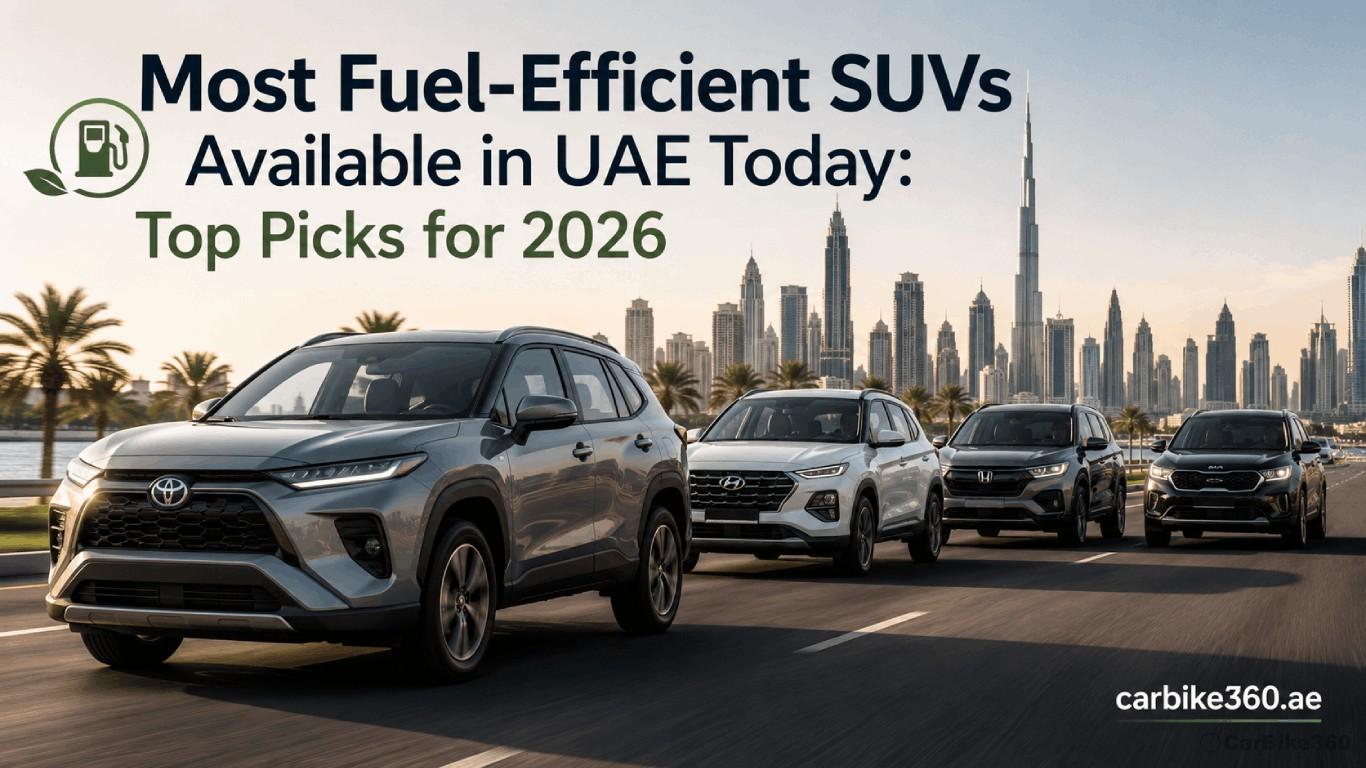
Most Fuel-Efficient SUVs Available in UAE Today: Top Picks for 2026
Discover the most fuel-efficient SUVs available in the UAE in 2026. Compare hybrid and petrol models including Toyota RAV4 Hybrid, Corolla Cross Hybrid, Nissan Kicks, Hyundai Creta, Kia Seltos, and more.
11-Aug-2026 12:58 PM

Honda CR-V Saudi Arabia: Why Thousands of Families Are Choosing It in 2026
The 2026 Honda CR-V combines spacious seating, advanced safety, efficient performance, and premium comfort, making it one of the most practical family SUVs available in Saudi Arabia.
28-Jul-2026 06:06 AM

Why Toyota Land Cruiser Remains the King of UAE Roads in 2026
Discover why the Toyota Land Cruiser continues to dominate UAE roads in 2026. Explore its reliability, off-road capability, family-friendly features, resale value, and enduring popularity across the Emirates.
27-Jul-2026 09:54 AM

Toyota Prado vs Nissan Patrol: The Ultimate UAE SUV Battle in 2026
Toyota Prado or Nissan Patrol? Compare performance, off-road capability, luxury, fuel economy, resale value, and ownership costs to find the best SUV for UAE families in 2026.
24-Jul-2026 12:44 PM
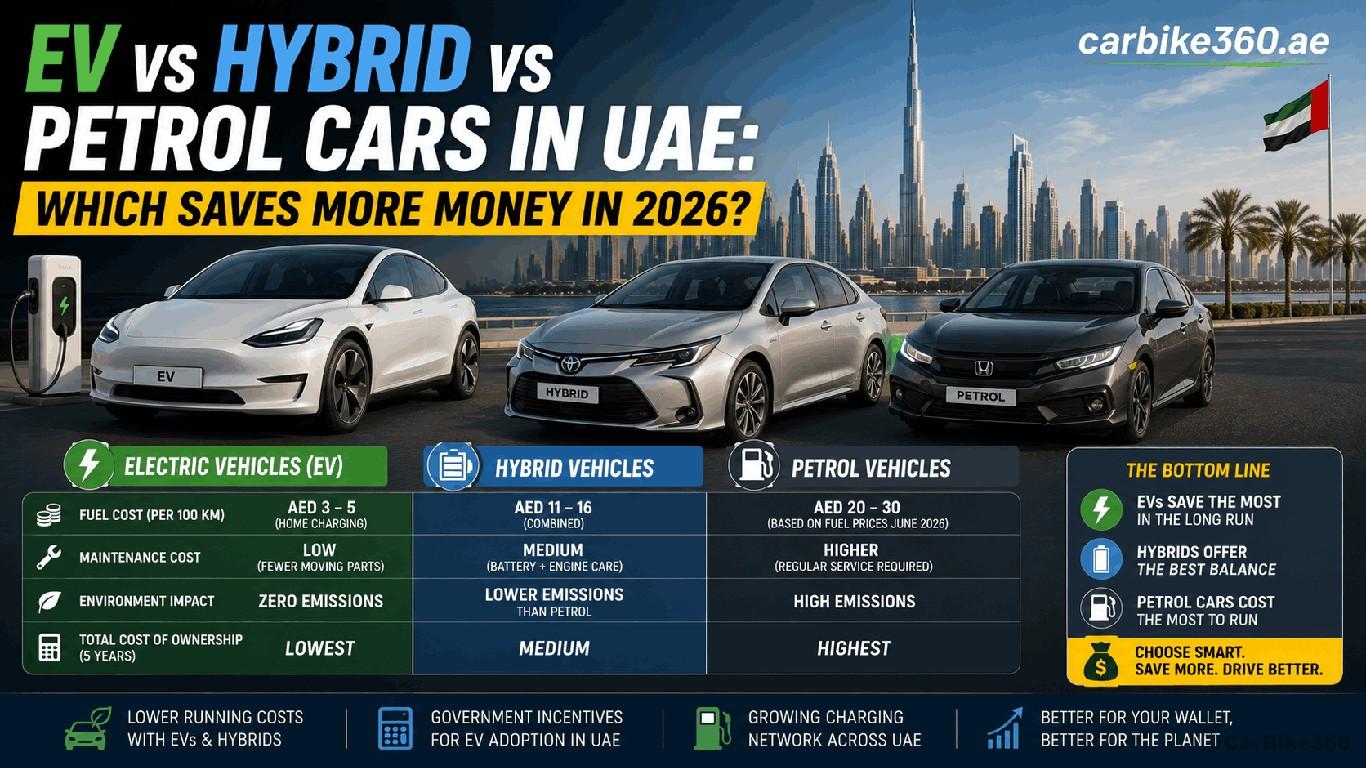
EV vs Hybrid vs Petrol Cars in UAE: Which Saves More Money in 2026?
Compare EVs, hybrids, and petrol cars in the UAE. Discover which vehicle type offers the lowest running costs, best fuel savings, maintenance benefits, and long-term value in 2026.
21-Jul-2026 01:37 PM











Join Carbike360
Get Trending Updates


UAE’s Fastest Growing Vehicle Marketplace