Battery Maintainence Guide For Motorcycle






Motorcycle batteries are the silent powerhouses that keep your two-wheeled companion running smoothly. Understanding the intricacies of these essential components is pivotal for every rider.
From the various types of batteries available to their unique characteristics, voltage considerations, and maintenance requirements, delving into the world of motorcycle batteries empowers riders to make informed decisions about their upkeep.
This brief guide will shed light on the fundamentals, ensuring that you navigate the roads with confidence, armed with the knowledge to keep your motorcycle's heart the battery in optimal condition.
About Motorcycle Batteries
Motorcycle batteries serve as essential components, providing the electrical power necessary for ignition, lighting, and various accessories. Here's a concise overview to help you understand the basics:
1. Types of Motorcycle Batteries:
-
Lead-Acid: Traditional and cost-effective, commonly found in motorcycles. They require periodic maintenance.
-
Gel Batteries: Maintenance-free and resistant to vibration, suitable for specific motorcycle models.
-
AGM (Absorbent Glass Mat): Also maintenance-free, offering enhanced performance and durability, especially in high-vibration environments.
2. Voltage and Capacity:
Motorcycle batteries typically operate at 12 volts. Understanding voltage is crucial for proper charging and maintenance.
Capacity, measured in ampere-hours (Ah), indicates how much energy the battery can store. Consider your motorcycle's power requirements when choosing a battery.
3. Maintenance Requirements:
Lead-acid batteries may require regular maintenance, including checking electrolyte levels and topping them off with distilled water.
Gel and AGM batteries are designed to be maintenance-free but still benefit from periodic checks and proper charging.
4. Charging Considerations:
Charging motorcycle batteries requires a compatible charger set to the correct voltage. Overcharging can damage the battery.
Trickle chargers or maintenance chargers are useful for keeping the battery at optimal levels during extended periods of inactivity.
5. Lifespan:
The lifespan of a motorcycle battery varies based on factors such as type, usage patterns, and maintenance. On average, a well-maintained battery can last 3-5 years.
6. Cold Cranking Amps (CCA):
CCA measures a battery's ability to start an engine in cold temperatures. Choose a battery with an appropriate CCA rating for your climate.
7. Charging System:
Motorcycles have charging systems that replenish the battery while the engine is running. Understanding the charging system is crucial for diagnosing battery-related issues.
8. Proper Handling and Safety:
Motorcycle batteries contain sulfuric acid and can generate explosive gases. Follow safety precautions when handling, charging, or maintaining batteries.

Symptoms of Weak Battery in Motorcycles
A motorcycle's battery plays a pivotal role in its performance, and recognizing signs of weakness or impending failure is crucial for preventing unexpected breakdowns. Here's a brief guide to help you identify these signs:
1. Slow Cranking
A struggling starter motor that turns the engine slowly indicates a weakened battery. If your motorcycle is hesitant to start or cranks sluggishly, it's a potential sign of battery trouble.
2. Dimming Lights
Headlights, dashboard lights, and other electrical components appearing dimmer than usual suggest a lack of power. Dimming lights often accompany a failing battery.
3. Difficulty Starting
If your motorcycle struggles to start or requires multiple attempts, the battery may not be providing sufficient power to ignite the engine.
4. Clicking Sounds:
Rapid clicking sounds when attempting to start the motorcycle often indicate a weak battery unable to engage the starter motor effectively.
5. Accessories Malfunctioning:
Electrical accessories, such as turn signals, horns, and radios behaving erratically or not functioning at all can be indicative of an insufficient power supply.
6. Warning Lights:
Pay attention to the warning lights on your motorcycle's dashboard. A battery-shaped icon or a specific warning light may illuminate, signaling potential battery issues.
7. Swollen or Bulging Battery Case:
Physical changes like a swollen or bulging battery case suggest internal problems. Inspect the battery for any visible deformities.
8. Unpleasant Odor:
A sulfurous or rotten egg smell near the battery could indicate a leak of hydrogen gas. This poses a safety risk and requires immediate attention.
9. Age of the Battery:
Motorcycle batteries have a finite lifespan, typically ranging from 3 to 5 years. If your battery is approaching this age range, it may be prone to failure even if there are no apparent signs yet.
10. Previous Jump Starts:
If you've had to jump-start your motorcycle multiple times, it could be a sign that the battery is struggling to maintain a charge.

Tools and Equipment for Battery Maintenance
Effectively maintaining your motorcycle battery is a vital aspect of ensuring consistent performance and reliability on the road. This brief guide introduces the essential tools and equipment needed for proper battery maintenance. From multimeters to measure voltage, battery terminal cleaners for corrosion control, and safety gear to protect against potential hazards, each tool serves a specific purpose in preserving the health of your motorcycle battery.

Step-by-Step Battery Maintenance Checklist
Visual Inspection:
Check for physical damage or leaks.
Examine terminals for corrosion and ensure they are securely attached.
Voltage Check:
Use a multimeter to measure battery voltage.
Acceptable voltage ranges vary; refer to your motorcycle's manual.
Cleaning and Tightening:
Clean terminals using a dedicated cleaner.
Tighten loose connections to ensure a secure fit.
Fluid Levels (if applicable):
For batteries with removable caps, check and top off electrolyte levels.
Handle battery acid with care, using appropriate safety measures.
Charging:
Charge the battery using a suitable charger.
Consider using a trickle charger or maintenance charger for prolonged periods of inactivity.
Storage Tips
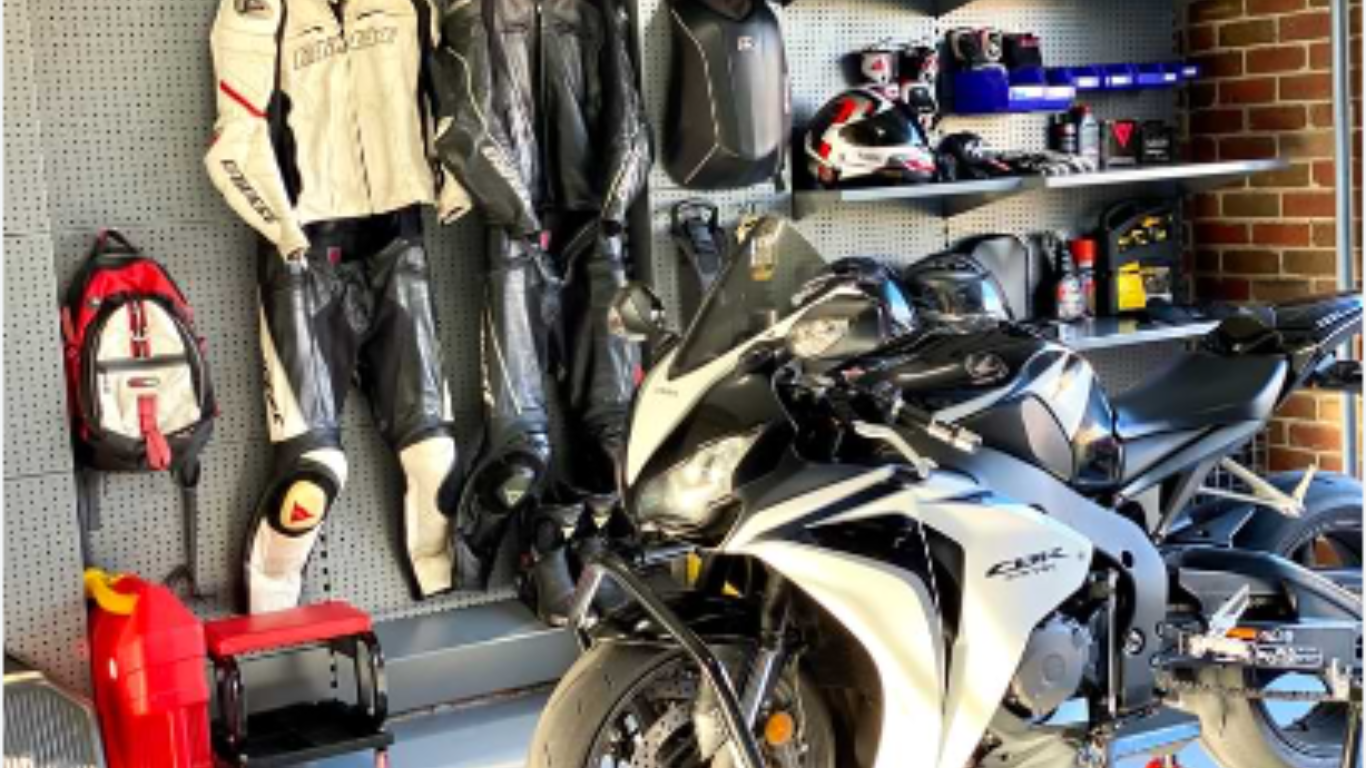
Properly store your motorcycle to preserve the battery during periods of non-use. Disconnecting the battery or using a battery tender can help maintain optimal charge levels.

Seasonal Maintenance Routines
Establish a routine for each season, paying particular attention to winter and summer months. Adjust your maintenance activities to accommodate temperature variations.
Common Mistakes to Avoid
Learn from common mistakes, such as overcharging, using the wrong type of charger, or neglecting regular maintenance. Avoiding these pitfalls will extend the life of your motorcycle battery.
Troubleshooting Guide
If issues arise, consult our troubleshooting guide for solutions to common battery-related problems, ensuring a quick and effective resolution.
Conclusion
Regular battery maintenance is a small investment that pays off in the long run, ensuring your motorcycle is always ready to hit the road. Follow this comprehensive checklist, incorporate storage tips, and adhere to routine maintenance routines to keep your motorcycle battery in peak condition, providing reliable power whenever you need it.
Also read our latest article about Recycling Initiatives: Car Battery Disposal and Recycling for Environmental Sustainability
More Articles
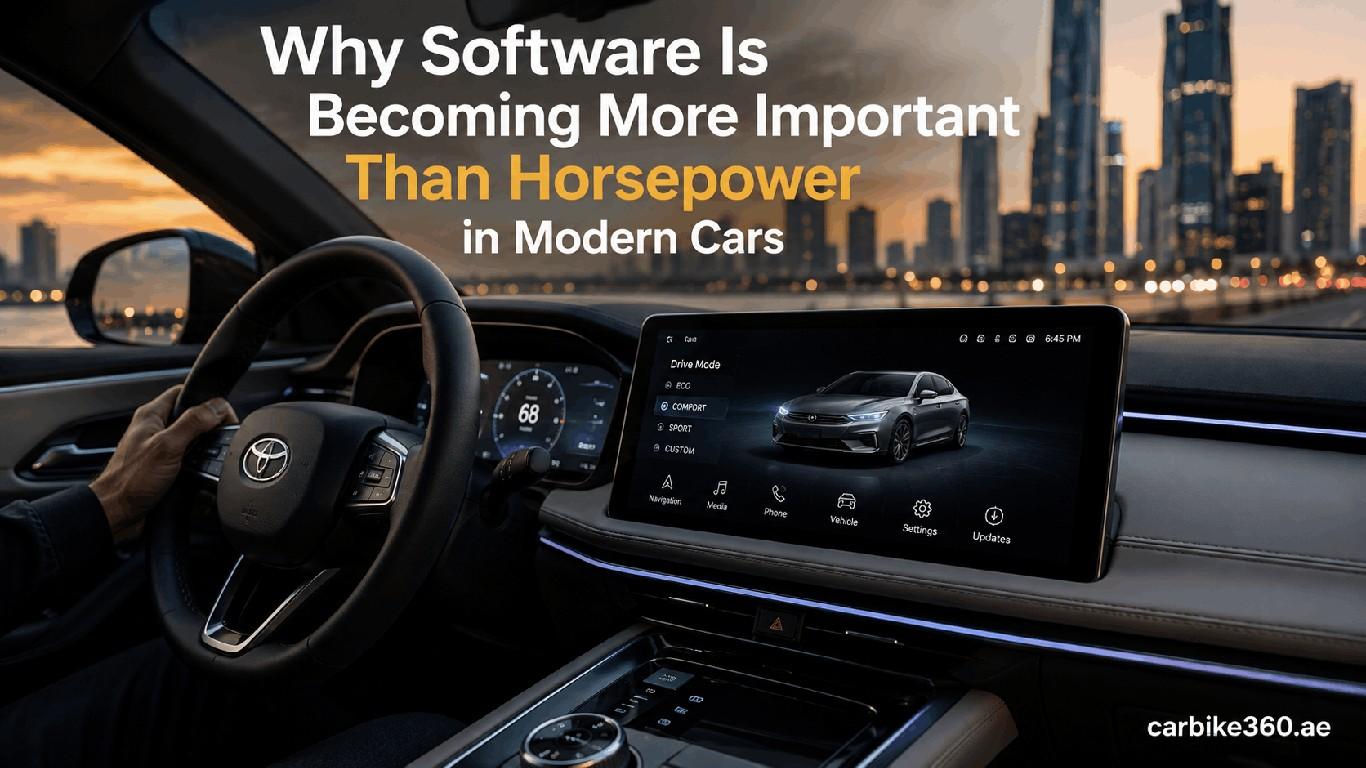
Why Software Is Becoming More Important Than Horsepower in Modern Cars
Discover why software is transforming the automotive industry in 2026. Learn how AI, connected features, over-the-air updates, and software-defined vehicles are becoming more important than horsepower.
12-Aug-2026 01:12 PM

Most Fuel-Efficient SUVs Available in UAE Today: Top Picks for 2026
Discover the most fuel-efficient SUVs available in the UAE in 2026. Compare hybrid and petrol models including Toyota RAV4 Hybrid, Corolla Cross Hybrid, Nissan Kicks, Hyundai Creta, Kia Seltos, and more.
11-Aug-2026 12:58 PM

Honda CR-V Saudi Arabia: Why Thousands of Families Are Choosing It in 2026
The 2026 Honda CR-V combines spacious seating, advanced safety, efficient performance, and premium comfort, making it one of the most practical family SUVs available in Saudi Arabia.
28-Jul-2026 06:06 AM

Why Toyota Land Cruiser Remains the King of UAE Roads in 2026
Discover why the Toyota Land Cruiser continues to dominate UAE roads in 2026. Explore its reliability, off-road capability, family-friendly features, resale value, and enduring popularity across the Emirates.
27-Jul-2026 09:54 AM

Toyota Prado vs Nissan Patrol: The Ultimate UAE SUV Battle in 2026
Toyota Prado or Nissan Patrol? Compare performance, off-road capability, luxury, fuel economy, resale value, and ownership costs to find the best SUV for UAE families in 2026.
24-Jul-2026 12:44 PM
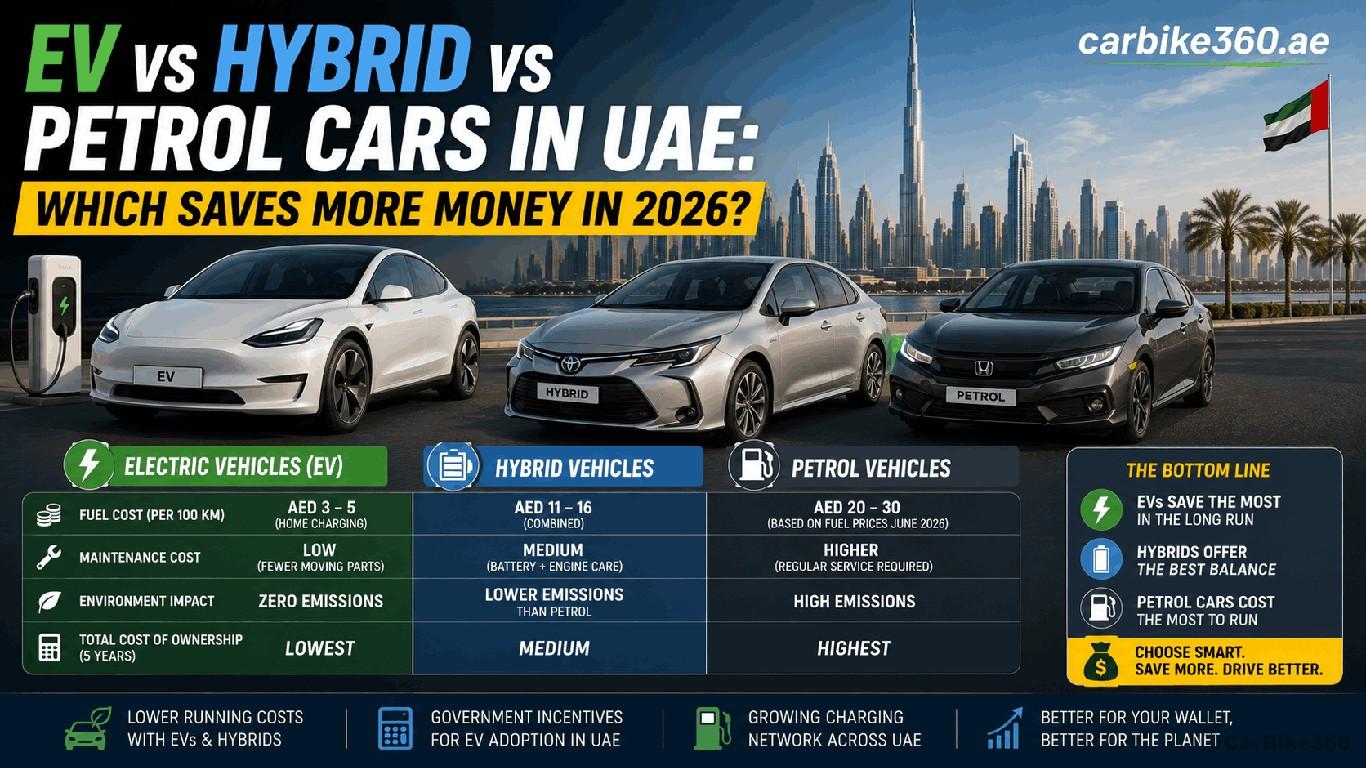
EV vs Hybrid vs Petrol Cars in UAE: Which Saves More Money in 2026?
Compare EVs, hybrids, and petrol cars in the UAE. Discover which vehicle type offers the lowest running costs, best fuel savings, maintenance benefits, and long-term value in 2026.
21-Jul-2026 01:37 PM









Join Carbike360
Get Trending Updates


UAE’s Fastest Growing Vehicle Marketplace